Choosing the right Bus LED Destination Sign is crucial for efficient public transportation. These signs not only display route information but also enhance safety and visibility. A well-chosen sign can make a significant difference in passenger experience.
When selecting a Bus LED Destination Sign, consider factors like visibility, size, and display technology. Brightness is key, especially during day and night. An adequate size ensures that passengers can read the sign from a distance. Reflect on the location where the sign will be installed. Will it face direct sunlight?
Quality matters too. A durable sign can withstand harsh weather conditions and frequent use. It's essential to evaluate your options carefully. Not every sign will be right for your needs. Take your time to find the best fit for your bus fleet. Keep in mind that the right choice can streamline operations and improve communication with passengers.
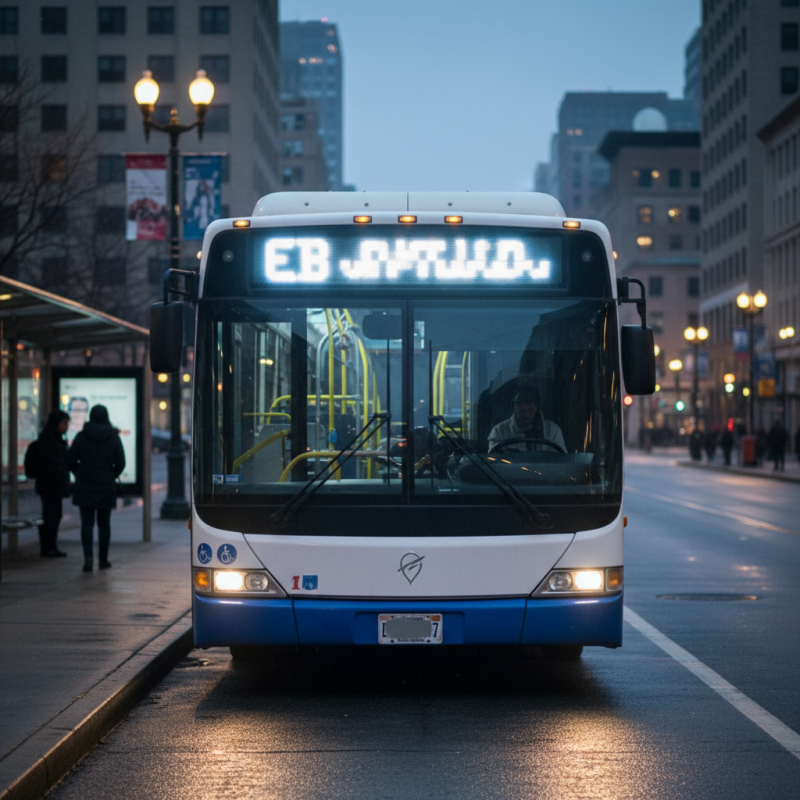
Bus LED destination signs play a critical role in public transport. They not only provide essential route information but also enhance passenger safety and experience. A well-placed LED sign can visibly display the route number and next stops. According to a report by the American Public Transportation Association (APTA), 73% of passengers indicated that clear information significantly improved their travel experience.
However, the importance of these signs extends beyond just visibility. When bus delays occur, timely updates can help manage passenger expectations. A survey conducted by the Transit Cooperative Research Program (TCRP) revealed that nearly 64% of riders prefer real-time updates via LED signs. This demand highlights the need for transit agencies to invest in quality LED technology, though many still struggle to keep systems updated effectively.
Moreover, environmental factors affect LED sign performance. Bright sunlight can obscure displays, making it harder for passengers to read. Though LED technology has advanced, some signs fail to adapt to different lighting conditions. Agencies need to continually evaluate the effectiveness of their signs. Regular assessment can identify areas for improvement and ensure signs serve their intended purpose. Without this reflection, potential benefits may remain untapped.
Choosing the right LED destination sign for your bus fleet is crucial. Several factors come into play. You need to consider visibility, durability, and ease of use. The sign's brightness is key. It should be clear even in bright sunlight. Check how it performs in different weather conditions.
Material matters too. Signs made of high-quality materials last longer. They should withstand rain, snow, and even harsh winds. A well-constructed sign prevents costly replacements. Weight is another factor. Think about how easy it is to install and maintain.
Tips: Think about maintenance. How often will you need to replace parts? Look for signs that are easy to service. Also, test the readability from various distances. Can passengers see it well from far away?
Consider the control system. It should be user-friendly. Complexity can lead to mistakes. Not all systems integrate well with existing technology. Do thorough research before deciding. Get opinions from others who have made the switch.
Choosing the right LED destination sign for buses involves understanding the different types available. There are primarily two types: dot-matrix and non-dot-matrix signs.
Dot-matrix signs use a grid of LEDs. They can display multiple messages in various formats. This flexibility is useful for different routes or updates.
Non-dot-matrix signs are simpler. They typically display a single route or destination name. Brightness and visibility are key factors. They need to be seen clearly in sunlight or rain. Additionally, consider the sign’s size. A larger display may be visible from farther away.
Another factor to ponder is the installation process. It varies widely among types. Some signs may require professional installation, which adds to the total cost. Reflecting on the maintenance needs is also vital. Some models may need frequent maintenance, while others are more durable.
Choosing the wrong type can lead to frequent repairs. Reflecting on these details will help make a wise decision.
When selecting a bus LED destination sign, visibility is paramount. The sign needs to be easily readable from a distance. Factors like brightness and color contrast play a crucial role. Using bright colors against dark backgrounds often enhances legibility. However, excessive brightness can be distracting during night travel. It’s crucial to find a balance.
Another aspect to consider is font size and style. Large, clear fonts are typically more readable. Avoid overly decorative fonts that can create confusion. Using simple, bold letters helps convey information quickly. Yet, even with the right font, placement matters too. An awkwardly positioned sign can obscure important details.
Testing the sign in various environments is essential. During peak hours, buses can be surrounded by distractions. A sign that looks good in a quiet area may fail in a bustling city street. Addressing these challenges reveals the importance of ongoing evaluation. It's not just about choosing a sign; it’s about ensuring it serves its purpose effectively.
| Sign Type | Visibility (m) | Readability Distance (m) | Brightness (cd/m²) | Color Contrast Ratio |
|---|---|---|---|---|
| Standard LED | 100 | 80 | 1500 | 6:1 |
| High-Resolution LED | 120 | 90 | 2000 | 8:1 |
| Reflective LED | 150 | 110 | 1600 | 7:1 |
| Daylight Readable LED | 180 | 130 | 3000 | 10:1 |
When installing LED destination signs, several factors must be considered for optimal performance. The placement of the sign is key. It should be visible from a distance, yet not obstructed by other structures. Testing visibility in various weather conditions is crucial. Rain, fog, and direct sunlight can affect how well the sign is seen. Regular checks may be necessary to ensure brightness is adequate.
Maintenance is another important aspect. Regular cleaning is required to keep the sign clear of dust and debris. Over time, connections can loosen, affecting the sign's functionality. Inspecting wiring and connections periodically can prevent minor issues from escalating.
Selecting the right materials also matters. Weatherproof and durable materials improve longevity. However, not every installation goes perfectly. Sometimes, signs may malfunction unexpectedly. Troubleshooting becomes essential in these scenarios. While many will function well, planning for potential challenges is key.
: The two main types are dot-matrix and non-dot-matrix signs.
Dot-matrix signs use a grid of LEDs and can display multiple messages in various formats.
Non-dot-matrix signs usually show a single route name, requiring clarity and visibility.
Brightness is crucial for visibility, especially in sunlight or rain conditions.
Signs should be visible from a distance and not obstructed by other structures.
Large, clear fonts enhance readability while avoiding decorative styles that may confuse.
Testing in various environments helps ensure visibility during peak hours and distractions.
Regular cleaning and connection inspections are needed to maintain functionality.
Weatherproof and durable materials are essential for longevity and performance.
Signs may malfunction unexpectedly, requiring troubleshooting and planning for issues.
Choosing the right Bus LED Destination Sign is crucial for ensuring efficient communication of route information to passengers. Understanding the importance of these signs involves recognizing their role in enhancing passenger experience and operational efficiency. Factors to consider when selecting a Bus LED Destination Sign include visibility, compatibility with various bus models, and the specific needs of the transit system.
There are different types of LED destination signs available, each catering to diverse environments and needs. Evaluating the visibility and readability of these signs is essential, particularly in varying weather conditions and from different viewing distances. Furthermore, installation and maintenance considerations play a significant role in ensuring the longevity and functionality of the Bus LED Destination Sign, ultimately contributing to a reliable transit system. Proper attention to these aspects guarantees improved safety and clarity for all passengers.

Xiguang Display