Indoor viewing comfort is essential in our digital age. Many people spend hours in front of screens, whether for work or entertainment. Excessive glare can lead to discomfort, fatigue, and even eye strain. To address these issues, it’s crucial to enhance anti-glare performance for indoor viewing comfort. This goal can be achieved through various strategies, including selecting the right screen, utilizing filters, and optimizing room lighting.
Consider your environment. The placement of lights and screens can significantly affect glare. For instance, positioning a screen to minimize direct light can make a big difference. Additionally, using matte screens can help reduce reflections. These subtle adjustments can create a more comfortable viewing experience.
It’s also important to remember that individual preferences vary. What works for one person might not work for another. Experimenting with different adjustments may be necessary. By focusing on solutions that enhance anti-glare performance for indoor viewing comfort, we can significantly improve our overall screen time experience.
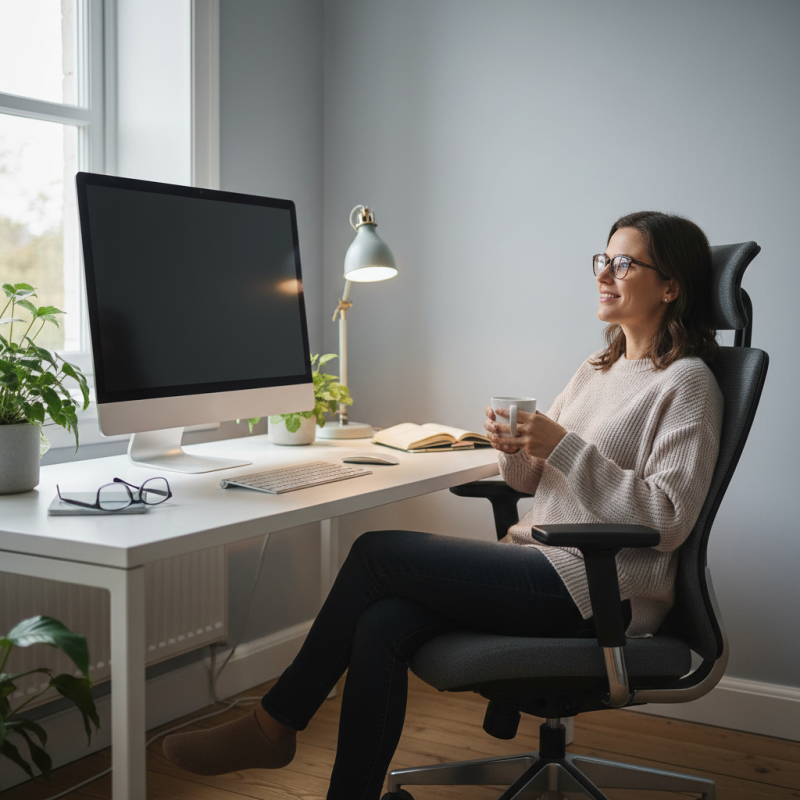
Glare can significantly affect our indoor viewing comfort. This issue arises when light reflects off surfaces, causing discomfort or distraction. It leads to squinting and eye strain. Understanding glare involves recognizing its sources. Direct sunlight through windows or reflections from screens can contribute. Identifying these elements is the first step in addressing glare.
To enhance indoor viewing comfort, consider the layout of your room. Position screens away from bright light sources. Use curtains or blinds to control natural light. Anti-glare coatings on screens can help reduce reflections. However, these solutions aren’t foolproof. Sometimes, glaring light remains an issue despite precautions.
Take breaks while viewing screens to rest your eyes. Adjust your viewing angle for better comfort. This can direct glare away from your line of sight. Experiment with different lighting setups to find what works best for you. Each space has unique factors that influence glare. It’s crucial to remain adaptable and vigilant in creating a comfortable viewing environment.
When it comes to enhancing anti-glare performance in displays, several factors play a crucial role. The surface treatment of the screen significantly affects glare reduction. Matte finishes scatter light and minimize reflections. They are popular for office environments and classrooms. Glossy surfaces, while vibrant, often increase reflections, making viewing uncomfortable.
Ambient light levels also impact how much glare is perceived. In brightly lit rooms, displays with effective anti-glare technologies are vital. People often overlook how position matters too. Adjusting the angle of the screen can lead to substantial changes in glare intensity. Moreover, screen size can create a visual distraction. Larger screens might attract more light, thus increasing glare unless adequately treated.
Reflective glare can be frustrating, causing eye strain. Regular breaks are essential during extended viewing. Some individuals find that using anti-glare filters can be beneficial. Yet, this solution isn’t perfect; sometimes it can alter display colors. Constant reflection issues can lead to dissatisfaction. Overall, understanding these factors is essential for improving viewing comfort in various indoor settings.
In the realm of anti-glare technology, industry standards play a crucial role in ensuring effective performance. According to the International Organization for Standardization (ISO), anti-glare coatings should meet specific criteria. For example, ISO 9241-306 specifies acceptable luminance levels to enhance indoor viewing comfort. This standard states that glare should not exceed 300 cd/m² in most indoor environments.
Different treatments provide varying levels of glare reduction. A report by the Illumination Engineering Society indicates that matte finishes can reduce glare by up to 50%. However, not all surfaces are created equal. Some overly matte surfaces may lack clarity, creating a trade-off between glare control and image quality. This inconsistency challenges manufacturers striving to balance comfort and visual acuity.
In professional settings, anti-glare treatments' effectiveness often varies. A study from the American Optometric Association reveals that user satisfaction decreases when glare controls do not meet individual needs. Factors like screen size and lighting conditions affect performance. Awareness of such nuances can guide better decision-making in selecting appropriate coatings.
The evolution of anti-glare technologies has significantly improved indoor viewing comfort. Today, various screens employ different coatings to reduce glare. These coatings range from matte finishes to advanced micro-lens arrays. Each technology presents its own benefits and limitations. For example, a recent study indicated that matte displays cut glare by up to 90%. However, this can sometimes compromise color accuracy.
Different coatings impact visual clarity. Highly reflective glass offers vibrant colors but can be problematic under strong lighting. Meanwhile, screens with a matte finish can minimize reflections but may present a grainy texture. It's essential to weigh these factors based on specific usage scenarios. A report from the Display Industry Association notes that users prioritize glare reduction at 78% when selecting screens for home environments.
Moreover, user experience can still be inconsistent. Some users report dissatisfaction even with high-quality anti-glare screens. Issues like uneven brightness or limited viewing angles still exist. Continuous development in anti-glare technologies is critical. The industry must address these challenges to enhance user comfort and satisfaction in diverse lighting conditions.
When setting up a comfortable indoor space, lighting plays a crucial role. Glare can be a major issue, impacting our ability to see screens clearly. To optimize lighting and reduce glare, consider the placement and intensity of your light sources. Soft, diffused lighting can make a big difference. Instead of harsh overhead lights, use lamps with shades that reduce direct brightness.
Choosing the right bulb is important too. LED bulbs with warm tones help create a cozy atmosphere. These lights provide sufficient illumination without causing discomfort. Positioning lamps at different heights can also help balance the light in a room. Experiment with angles to find the best arrangement that minimizes glare on reflective surfaces.
Don't overlook the importance of window treatments. Blinds or curtains can control natural light effectively. They allow you to adjust the light to your preference. Reflection from glass can be tough, so consider using anti-glare film on screens. While these tips can improve comfort, achieving the perfect balance takes time and patience. Be ready to make adjustments as needed to find what works best for your space.
: Surface treatment is crucial. Matte finishes minimize reflections, while glossy surfaces can increase glare.
Higher ambient light can make glare more noticeable. Anti-glare technologies become essential in bright environments.
Yes, adjusting the screen angle can significantly change glare intensity.
Larger screens can attract more light. They may need special treatment to reduce glare effectively.
Reflective glare can cause eye strain. Taking regular breaks is important during long viewing sessions.
Some find them helpful, but they can alter display colors. Results may vary based on use.
Soft, diffused lighting improves visibility. Avoid harsh overhead lights to reduce glare.
LED bulbs with warm tones create a cozy atmosphere without discomfort.
Blinds or curtains help control natural light, allowing for glare reduction.
No, it may take time and adjustments. Experimentation is necessary for the best results.
This article delves into techniques to enhance anti-glare performance for indoor viewing comfort, recognizing glare as a significant factor that can disrupt the viewing experience. It highlights the key elements that influence the effectiveness of anti-glare coatings and treatments, including surface texture and material properties. Additionally, the article outlines industry standards governing these coatings, ensuring a benchmark for quality.
A comparison of modern anti-glare technologies reveals the advancements made in display screens, offering users various options to minimize glare. Furthermore, practical tips for optimizing indoor lighting are provided, which play a crucial role in reducing glare and enhancing overall viewing comfort in indoor environments. By following these guidelines, users can improve their visual experience and reduce glare-induced discomfort significantly.

Xiguang Display