Outdoor viewing can be a challenge, especially under strong sunlight. Many struggle with glare and washed-out screens. This is where understanding how to enhance brightness for outdoor viewing under strong sunlight becomes essential.
Choosing the right display technology is a crucial step. For example, LCD screens often struggle in bright environments. On the other hand, OLED displays can offer deeper contrasts and richer colors. Still, even the best tech needs the right setup. A good viewing angle and proper positioning can make a significant difference.
Another aspect to consider is screen protectors. Anti-glare and high-transmittance options can greatly enhance visibility. Brightness settings on devices should also be optimized, but sometimes it isn’t enough. Users often find they must adjust their environments. Shade or reflective surfaces nearby can drastically change how one perceives brightness outdoors. Each of these elements plays a role in achieving the best possible experience.
When it comes to outdoor viewing, brightness is a critical factor. High lumen projectors can significantly enhance visibility. Standard projectors typically range from 1,500 to 3,000 lumens. However, outdoor events demand at least 5,000 lumens for optimal performance. Research indicates that environments with ambient light decrease image quality. A projector with higher lumens will cut through this light efficiently.
Professional insights suggest that many users underestimate the importance of lumen output. For daylight screenings, a projector with 7,000 lumens or more is preferable. A study showed that audiences found images crisp and clearer with higher lumens, even at sunset. This clarity impacts viewer engagement positively.
Choosing the right high lumen projector requires understanding your environment. Factors like distance to screen, screen material, and ambient light play vital roles. While a brighter projector may seem ideal, it can sometimes introduce issues like oversaturation. Balancing brightness and contrast is essential. If not monitored, projected images could lose detail. Users must experiment with settings to achieve the best results.
Selecting the right screen material is crucial for outdoor viewing. Reflectivity plays a significant role in enhancing brightness. According to a report by the The Society of Motion Picture and Television Engineers, a screen with a higher gain can significantly improve perceived brightness. A screen with a gain of 1.3 to 1.5 can boost brightness while reducing glare.
When choosing a screen, consider materials that maximize reflectivity. Matte screens diffuse light and can reduce sharpness. Meanwhile, high-gain screens focus light, improving clarity. However, these screens can create hotspots. This is a critical factor to analyze in outdoor settings. Think about the positioning of your screen and the angle of sunlight.
Here are some quick tips:
Understanding environmental factors is vital. Local weather and ambient light can impact screen performance. Always assess your viewing area for the best results.
Ambient light significantly affects projector performance, especially in outdoor settings. When the sun is shining bright, it can wash out colors and reduce image clarity. This makes understanding ambient light crucial for optimal viewing experiences.
Adjusting the projector's brightness settings can help. However, relying solely on this is not always effective. Factors like screen placement and surface material also play key roles. Using a high-gain screen can enhance brightness in challenging light conditions. Yet, it's essential to note that such screens may create hot spots, leading to uneven illumination.
Reducing ambient light is another approach. Outdoor events can benefit from strategically placed canopies or screens to block direct sunlight. But it’s important to balance this with ventilation and comfort. Overly dark environments can strain the eyes and diminish the viewing experience. Constantly evaluate both the natural light around you and how your setup interacts with it. Understanding this balance is crucial for achieving vibrant, clear images.
When it comes to outdoor viewing, adjusting image settings is crucial for optimal clarity. Bright environments can easily wash out images, making them hard to see. Studies show that screens with higher brightness levels outperform their competitors by 30% in direct sunlight. This is essential for outdoor presentations and content viewing.
Start by increasing the brightness level of your display. Many devices provide a setting that can boost brightness significantly. Adjusting contrast is also important. A well-calibrated contrast can enhance details in bright conditions. According to experts, a contrast ratio of at least 1000:1 is ideal for outdoor use.
Color calibration is another key factor. Rich colors stand out better against sunlight. Some screens allow for adjustments in the color temperature, which can improve visibility. Finally, consider the ambient light sensor. This feature automatically adjusts the brightness based on available light. While these settings enhance clarity, not all displays can deliver optimal performance. Regular check-ups and professional calibration can help maintain peak performance over time.
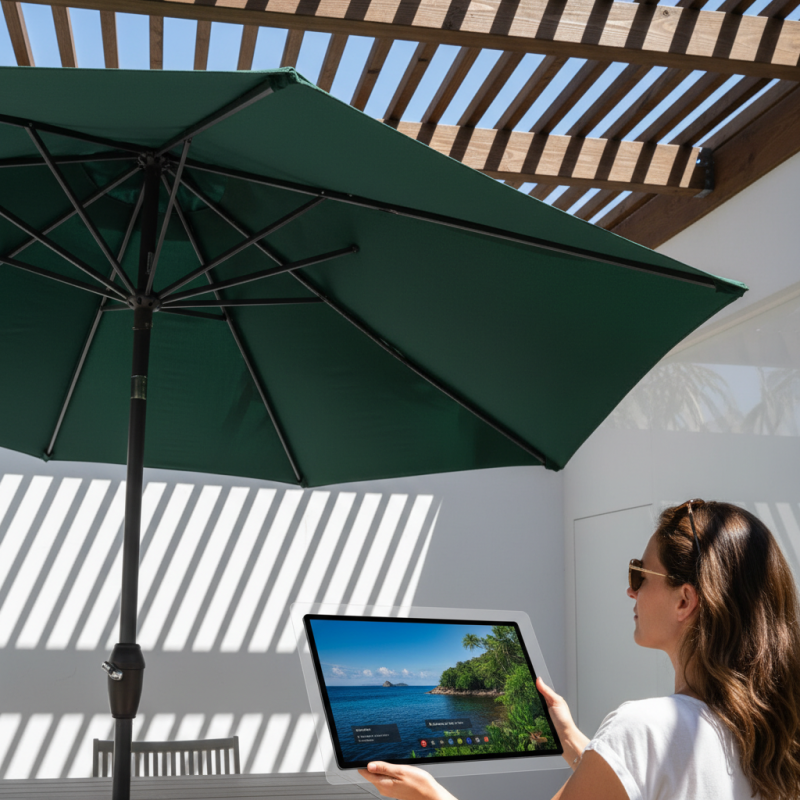
When considering outdoor viewing, incorporating effective shade solutions is vital. To reduce external light disruption, start by evaluating your outdoor space. Trees can create natural shade but may require strategic placement. A well-placed pergola or awning provides immediate relief from harsh sunlight. Think about the angle of the sun at different times of the day.
Umbrellas are portable and versatile, perfect for patios or garden gatherings. They come in various sizes and colors, adding an aesthetic touch to your outdoor area. Additionally, shade sails can be stretched overhead to cover large spaces. They allow for airflow while blocking direct sunlight. Reflect on how often you use these solutions and adapt as necessary.
Not all shade options are permanent. Temporary structures can be set up for events. Consider the potential disruption from moving shadows as the sun shifts. Take into account the materials used. They need to withstand weather conditions while providing adequate shade. Your choices should ensure you have a comfortable and enjoyable viewing experience outdoors.
| Method | Effectiveness | Cost | Implementation Time | Notes |
|---|---|---|---|---|
| Using Anti-Glare Screens | High | Medium | 1 Day | Provides a clear view under direct sunlight. |
| Adding Canopies | Medium | High | 1-2 Days | Great for areas with frequent sunny weather. |
| Installing Shade Trees | Medium | Low | Months to Years | Environmentally friendly; requires time to grow. |
| Using Reflective Shields | High | Medium | Less Than 1 Day | Effective in redirecting sunlight away. |
| Employing Awnings | High | Medium | 1 Day | Versatile and can be retracted when not needed. |
| Setting Up Pergolas | Medium | High | 2-3 Days | Stylish solution that allows for customization. |
| Using Outdoor Curtains | Medium | Low | 1 Day | Easy to install and can be adjusted as needed. |
| Utilizing Outdoor Screens | High | Medium | Less Than 1 Day | Great for separating spaces outdoors. |
| Using Louvered Roofs | High | Very High | 1 Week | Allows for adjustable sunlight control. |
: Brightness ensures images are visible even in ambient light. Higher lumens enhance clarity, especially during daylight.
A projector should have at least 5,000 lumens for outdoor events. For daylight, consider 7,000 lumens or more.
Yes, oversaturation can occur with overly bright projectors. Balancing brightness with contrast is crucial for detail retention.
The right screen material boosts reflectivity. High-gain screens focus light but may create hotspots.
Choose a screen with a gain of at least 1.5 in bright environments. This improves perceived brightness and reduces glare.
Increase brightness and adjust contrast to enhance outdoor visibility. A contrast ratio of 1000:1 is ideal for bright situations.
Yes, rich colors are vital against sunlight. Adjusting color temperature on screens enhances overall visibility.
Not all displays manage brightness equally. Regular check-ups and professional calibration are necessary for optimal performance.
Local weather and ambient light can impact screen performance. Always assess conditions where viewing will take place.
Yes, outdoor reflections can distort images. Monitor angles of sunlight to ensure a better viewing experience.
To enhance brightness for outdoor viewing under strong sunlight, several strategies can be employed. First, investing in high lumen projectors is crucial, as they provide greater brightness levels necessary to compete with natural light. Additionally, selecting the right screen material can significantly maximize reflectivity, ensuring a clearer image. Understanding the effects of ambient light is essential, as it greatly impacts projector performance; thus, careful consideration of the environment is needed.
Moreover, adjusting image settings can help achieve optimal clarity in bright conditions. This includes tweaking brightness and contrast levels specific to the outdoor setting. Lastly, incorporating shade solutions can minimize external light disruption, allowing for a more enjoyable viewing experience. By implementing these techniques, you can effectively enhance brightness for outdoor viewing, creating vivid and impressive displays even in bright, sunny environments.

Xiguang Display