In today's fast-paced sports industry, ensuring fan safety and satisfaction is paramount. To enhance overall reliability in large-scale stadium applications, organizations must focus on several key factors. Proper planning and execution are critical. Maintenance routines should be consistent, employing skilled personnel trained specifically for complex systems.
Technology plays a significant role in improving reliability. Smart systems can monitor conditions, from lighting to crowd management. However, reliance on technology can be a double-edged sword. System failures can occur unexpectedly, leading to disruptions. It's crucial to have backup plans in place.
Real-world events highlight the need for continuous evaluation and improvement. Incidents in various venues have exposed vulnerabilities. Learning from these challenges can guide best practices. The goal is an environment where reliability is at the forefront, creating a safe experience for everyone involved.
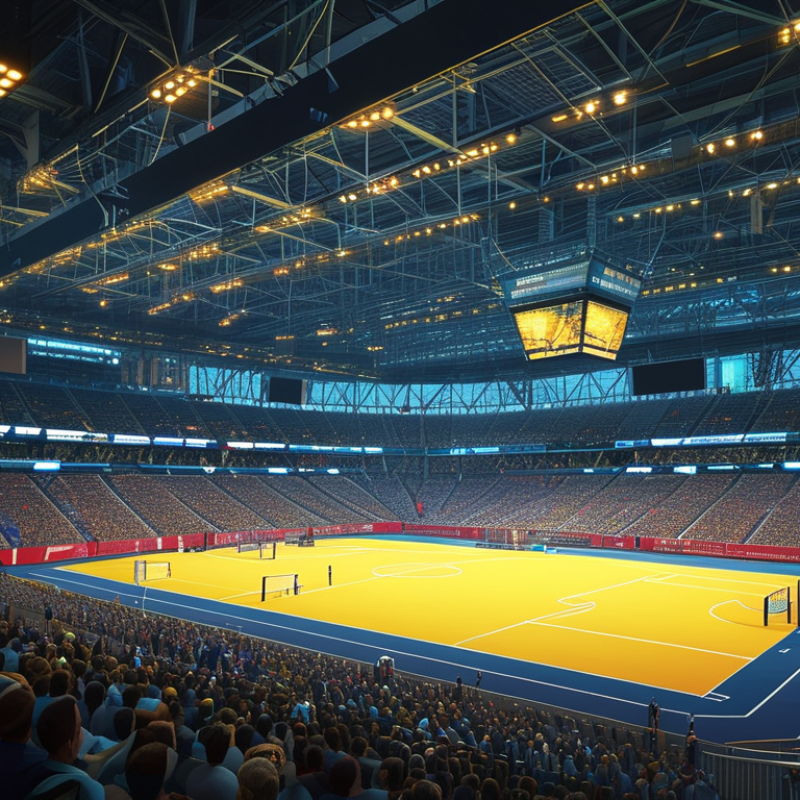
Understanding the Importance of Reliability in Stadium Applications
In large-scale stadium applications, reliability is crucial. It ensures
safety, satisfaction, and operational efficiency. When fans attend events, they expect a seamless experience.
Any disruption can lead to frustration. Therefore, understanding how to enhance reliability is vital for organizers.
One key aspect is to conduct regular maintenance checks.
These checks can identify potential issues before they escalate. Implementing a preventive maintenance schedule
can save time and money. For instance, regularly inspecting electrical systems can prevent blackout incidents
during a game.
Another way to enhance reliability is through staff training. Employees
should be well-versed in emergency protocols. This training promotes quick responses during unforeseen events.
Mock drills can improve team readiness.
Tip: Use feedback from fans to improve services. This helps in identifying areas needing attention. Listening
to patrons can shape a better overall experience. Reliability matters,
and every detail counts. Small changes can make a significant impact.
Key Components Affecting Reliability in Large Scale Stadium Systems
In large-scale stadium systems, reliable technology is crucial. Many components directly affect this reliability.
Power supply systems must have redundancy built in. A single point of failure can disrupt an event. Backup generators and uninterruptible power supplies help ensure continuous operation.
Network infrastructure also plays a vital role. High-speed internet and robust connectivity are necessary for communication and data transfer.
Wireless access points should be strategically placed. Poor coverage can lead to connectivity issues.
Regular testing of network performance ensures stability.
Another key area is crowd management systems. These technologies enhance safety and security.
Real-time monitoring and emergency communication tools are essential. They must be tested and updated regularly.
While many systems are effective, their reliability can wane without proper maintenance.
Attention to these components can significantly improve overall system reliability in stadium applications.
Implementing Redundancy to Enhance System Reliability
In large-scale stadium applications, reliability is crucial. To achieve this, implementing redundancy plays a vital role. Redundant systems ensure that if one component fails, a backup automatically takes over. This minimizes downtime during critical events. For instance, having multiple power sources can prevent interruptions in service, keeping the audience engaged.
Moreover, it’s essential to assess various redundancy levels. Is dual power enough, or should we consider tripling the systems? We often overlook these complexities. The goal is not just to have a backup, but to design systems that are seamlessly integrated. Regular testing of these redundant systems is also necessary. Without routine checks, hidden vulnerabilities may remain unnoticed until an event day.
Relying solely on redundancy can lead to complacency. While it enhances reliability, it is still important to monitor performance metrics. This ensures that the primary and backup systems function optimally. A proactive approach to maintenance and updates will strengthen overall system robustness. Redundancy is part of the solution, but ongoing evaluation is crucial for success.
Data Analysis of System Reliability Enhancement in Large Scale Stadiums
Best Practices for Maintenance and Monitoring of Stadium Technologies
Maintaining high reliability in large-scale stadium applications is critical for seamless operations. Regular monitoring of stadium technologies ensures that systems function as intended. Many facilities underestimate the complexity involved in maintaining vast networks of digital displays, sound systems, and security infrastructure. Often, issues arise because regular inspections are insufficient or overlooked entirely.
Routine maintenance schedules should be established. These schedules must include checks for software updates and hardware condition. Simple tasks, such as cleaning components and testing emergency systems, can prevent larger issues down the line. Real-time monitoring tools can be employed, but human oversight remains essential. Relying solely on automated systems may lead to complacency.
Moreover, staff training plays a pivotal role in enhancing reliability. Empowering team members to spot potential failures or inefficiencies can significantly improve overall performance. Regular drills and simulations help build confidence among staff, but there is often resistance to embracing new procedures. Every facility should encourage open discussions about failures to foster a culture of continuous improvement. This understanding may lead to better preparedness and response strategies in future scenarios.
Case Studies: Successful Reliability Enhancements in Stadium Projects
Large-scale stadium projects require a deep understanding of reliability enhancement. Successful case studies provide valuable insights. Research indicates that 30% of large venues encounter technical failures during events. Addressing these issues can significantly improve user experience and safety.
For instance, a recent project upgraded its power supply systems, leading to a 40% reduction in outage incidents. Additionally, integrating advanced monitoring systems resulted in real-time failure detection. Such measures not only enhance reliability but also build trust among stakeholders. Yet, challenges remain. Maintenance protocols can be overlooked, causing gaps in reliability.
Another case highlighted the role of crowd management technology. During a major event, real-time data helped reduce congestion by 25%. However, not every stadium has adopted these technologies, potentially leading to inconsistent experiences across venues. Emphasizing the need for comprehensive training for staff is essential. Only with skilled personnel can reliability be fully achieved.
FAQS
: Redundancy ensures backup systems kick in if a component fails, minimizing downtime during events.
Regular testing is critical. Without routine checks, vulnerabilities can go unnoticed until an event.
Yes. Over-reliance may lead to neglect of performance monitoring and maintenance.
Upgrading power supplies can reduce outage incidents significantly, improving overall reliability.
Advanced monitoring systems allow for immediate failure detection, enhancing trust and safety during events.
Skilled personnel ensure technologies work effectively, leading to a more reliable experience for attendees.
Yes, not all have done so yet, creating inconsistent experiences for visitors across venues.
Approximately 30% face technical failures during events, highlighting a need for improvement in reliability strategies.
Conclusion
Enhancing overall reliability in large-scale stadium applications is crucial for ensuring seamless operation and a positive experience for attendees. Understanding the importance of reliability in stadium systems sets the foundation for developing resilient infrastructures. Key components affecting reliability include advanced technologies, power supply systems, and communication networks, all of which must function flawlessly during events.
To enhance system reliability, implementing redundancy is vital; this involves having backup systems in place to take over in case of failures. Additionally, adhering to best practices for maintenance and monitoring ensures that technologies are consistently evaluated and optimized. Successful case studies demonstrate how strategic reliability enhancements can significantly improve the performance and longevity of stadium systems, ultimately resulting in a more dependable environment for both operators and visitors.

 Xiguang Display