In the realm of modern visual displays, the Grid LED Screen Wall stands out as an innovative solution. This technology creates stunning visuals and allows for versatile applications. It is composed of numerous LED panels arranged in a grid format. These panels work together to form a cohesive image.
A Grid LED Screen Wall functions using individual LED lights. Each light emits color based on an electrical signal. This setup enables dynamic content display, such as videos and graphics. Depending on the arrangement, it can fit any space efficiently. However, the installation process can be complex and often requires professional help.
One must consider the quality of the LED panels and the overall design. The optimal viewing angle and brightness levels are crucial for the best experience. Though powerful, challenges may arise in dealing with maintenance and potential malfunctions. Thus, while the Grid LED Screen Wall provides remarkable visual appeal, it also demands careful planning and consideration.
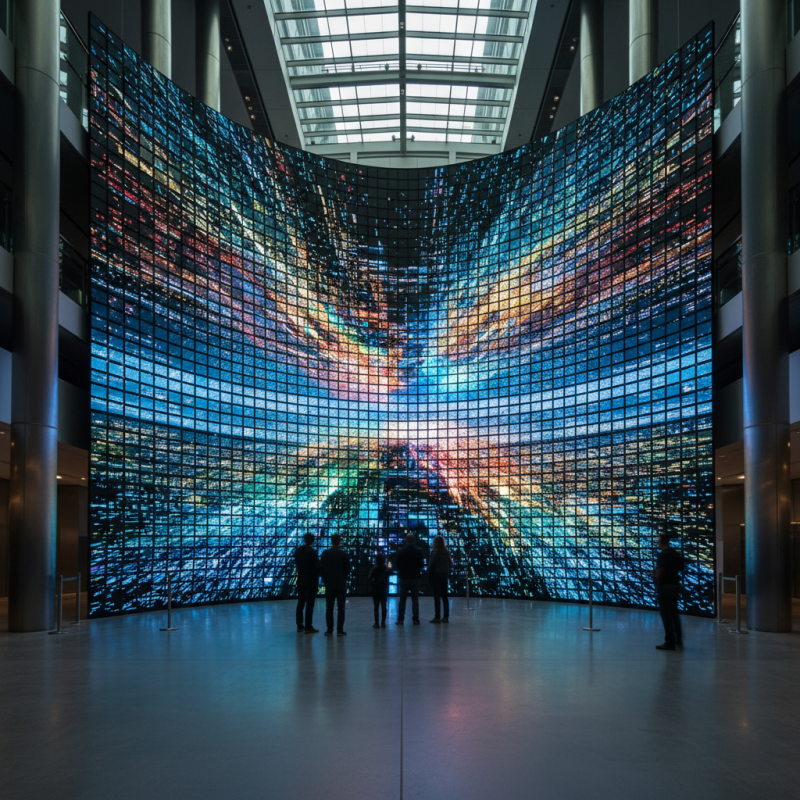
What is a Grid LED Screen Wall?
A Grid LED Screen Wall is a display technology that uses a matrix of LED panels. These panels are arranged in a grid format, allowing for large visual presentations in various settings. They are commonly used in concerts, exhibitions, and digital signage. The resolution and brightness make Grid LED walls appealing for both indoor and outdoor applications.
According to a market report, the global LED display market is projected to reach $30 billion by 2026. This growth is driven by the demand for high-quality visual experiences. Grid LED Screen Walls provide flexibility in design and installation, adapting to different environments and needs. They can display vibrant graphics and videos that engage audiences effectively.
Tips: Ensure that your installation area has adequate power supply and ventilation. Poor setup may lead to overheating issues. Regular maintenance is crucial, as neglected screens can lose brightness.
Moreover, while Grid LED Screen Walls offer impressive visuals, not all content translates well. Some graphics may appear distorted on larger screens. Testing various media formats can help optimize the viewing experience. Keeping pixel density in mind is also essential to maintain clarity.
Key Components of Grid LED Screen Walls
Grid LED screen walls have transformed the way we experience visual displays. Comprising several key components, they offer flexibility and impressive viewing experiences. The heart of these walls lies in the LED modules. Each module contains a matrix of tiny LEDs that emit light, creating vivid images. According to industry reports, the global market for LED displays is projected to reach around $9 billion by 2026, reflecting their rising demand.
Another significant element is the control system. This system manages the content displayed on the grid screens. It ensures synchronization across multiple panels for a seamless visual effect. Robust software allows operators to schedule and control displays dynamically. Data suggests that efficient control systems can reduce energy consumption by up to 30%. This not only lowers costs but also encourages sustainable practices.
The structural design is equally important. Grid LED screen walls require sturdy frameworks to support the panels. The choice of materials affects durability and installation time. A single failure in the structural integrity can lead to significant downtime. This is a crucial aspect that some projects overlook. Providing ongoing maintenance ensures consistent performance and longevity, but is often neglected in initial project planning.
How Grid LED Screen Walls Function
Grid LED screen walls are innovative displays. They function by combining multiple LED panels to create a larger visual interface. These screens are modular, allowing for various configurations. Each panel contains numerous small LEDs. Together, they produce vibrant images and videos.
The technology behind Grid LED screens relies on pixel mapping. This process dictates how content is displayed on each panel. According to a report by market analytics firm MarketsandMarkets, the global LED screen market is projected to reach $22 billion by 2026. This growth emphasizes the increasing adoption of LED technology. Significantly, screens used in events and advertising contribute to a major portion of this expansion.
Functionality isn't without challenges. Color consistency can vary between panels, leading to visual disparity. Ensuring uniformity requires meticulous calibration. Additionally, maintenance can be daunting. Panels may need replacement after extended use. It's essential to weigh the pros and cons before investing in this technology. Proper planning can enhance performance and longevity.
Applications of Grid LED Screen Technology
Grid LED screen technology is rapidly transforming various industries. Its applications span advertising, entertainment, and even urban planning. Recent industry reports suggest that the global LED display market could reach $28 billion by 2025. This growth is fueled by the increasing demand for visually engaging displays in public spaces.
In advertising, grid LED screens offer exceptional visibility. Their modular design allows for unique configurations and creative insights. For example, cities can deploy large displays in high foot-traffic areas. This ensures brands can convey their messages effectively. Each installation comes with its challenges. Placement and brightness must be carefully considered to avoid visual pollution.
In the entertainment sector, concert venues and sports arenas use grid LED screens for dynamic backdrops. They enhance the overall audience experience. However, there have been concerns about oversaturation. Too many bright screens might detract from performances. It's crucial to balance technology with artistic integrity. Assessing placement and configuration can improve viewer engagement.
Applications of Grid LED Screen Technology
Advantages of Using Grid LED Screen Walls
Grid LED screen walls have become popular in various settings, from events to retail spaces. These walls offer multiple advantages that enhance visual experiences. Their modular design allows for flexibility in size and shape, making them adaptable to any environment. This customization can transform ordinary spaces into captivating visual displays that attract attention.
One major benefit of grid LED screens is their high resolution. This feature ensures vivid colors and sharp images, making them suitable for promotional content, entertainment, and art displays. Additionally, the brightness levels can be adjusted to suit different lighting conditions. However, installing these screens requires careful planning to ensure optimal visibility. Poor positioning can diminish their impact, reminding us that even great technology needs thoughtful implementation.
Cost-effectiveness is another advantage, especially for large installations. This type of screen can reduce operational costs over time, providing significant savings. Yet, potential users should consider the initial investment and maintenance needs. It’s essential to weigh these factors against the potential benefits. Even with their impressive features, grid LED screens are not a fix-all solution. Regular updates and content refresh are necessary to keep them engaging.
What is a Grid LED Screen Wall and How Does It Work? - Advantages of Using Grid LED Screen Walls
| Feature |
Description |
Advantages |
| High Resolution |
Delivers sharp, vibrant images and videos. |
Increased viewer engagement and clarity. |
| Modularity |
Panels can be combined in various shapes and sizes. |
Flexibility in installation and design. |
| Energy Efficiency |
Uses less power compared to traditional display systems. |
Lower operating costs and environmental impact. |
| Outdoor Capabilities |
Designed to withstand harsh weather conditions. |
Versatile usage in various public spaces. |
| Easy Maintenance |
Simplified access to components for repair. |
Minimized downtime and maintenance costs. |
Conclusion
A Grid LED Screen Wall is a sophisticated display technology that utilizes a matrix of LED panels arranged in a grid format to create high-quality visual content. The key components of these walls include LED modules, power supplies, and control systems which work together to produce vibrant images and videos. The functionality of a Grid LED Screen Wall is based on the ability of each individual LED to emit light in different colors, allowing for dynamic content that can be easily updated.
These walls are widely used in various applications, including advertising, event staging, and public information displays, due to their versatility and high visibility. One of the main advantages of using Grid LED Screen Walls is their ability to create large-scale, seamless visuals that can attract attention and enhance viewer engagement. Overall, Grid LED Screen Walls represent a significant advancement in display technology, offering numerous benefits for both commercial and entertainment purposes.

 Xiguang Display