Interactive floor displays have transformed the way businesses engage with customers. According to industry reports, 70% of businesses see a marked increase in customer interaction with well-designed displays. However, many organizations still struggle to fully harness their potential. It is essential to focus on strategies that can significantly improve the interactive experience of floor display systems.
Enhancing design can create an inviting platform for users. Simple elements like vibrant colors and intuitive layouts can boost engagement. A case study from the Retail Design Institute indicates that visually appealing displays can increase foot traffic by up to 40%. Nonetheless, many brands overlook these basic principles.
Moreover, incorporating advanced technologies such as motion sensors or augmented reality can redefine user interaction. Reports show that interactive elements can hold attention for 25% longer than static displays. Companies often implement technology but may not optimize it for the best results. Recognizing these gaps is critical for improvement. It’s a continual learning process to adapt and enhance interactive experiences effectively.
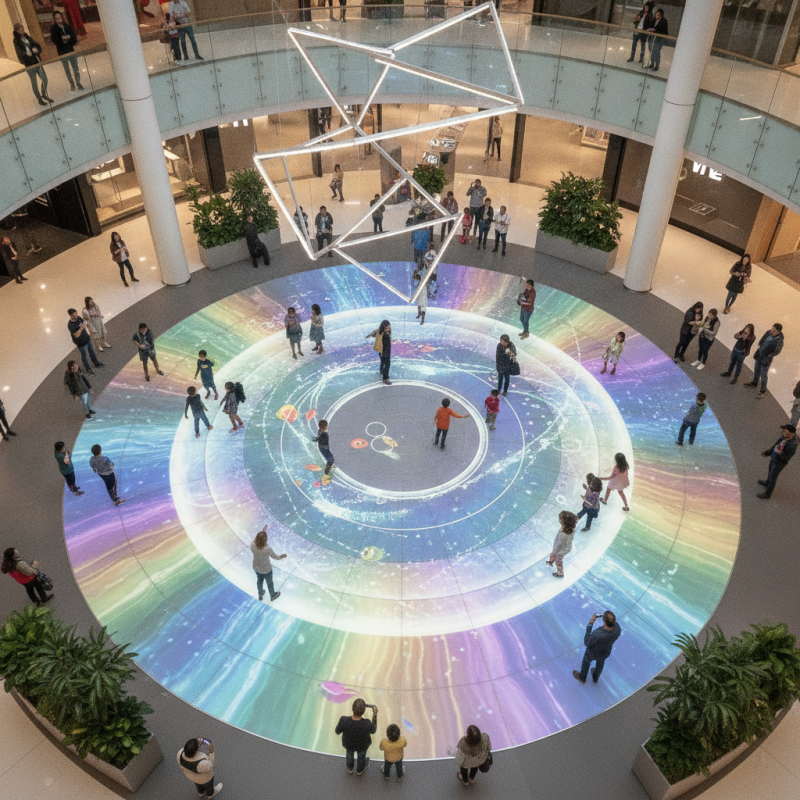
Interactive floor display systems are becoming common in various environments. Designing user-centric interfaces is essential for enhancing engagement. An intuitive interface can transform how users interact with these displays. User feedback is crucial in this process. Testing different designs helps identify what works well and what doesn't.
Consider using vivid colors and animations to attract attention. User movements should trigger responses. This creates a sense of interaction. However, too much animation can overwhelm users. Balancing engagement with clarity is key. Functionality should remain straightforward. Simplifying the navigation process minimizes confusion.
Incorporating social elements can enhance engagement further. Allowing users to share their experiences fosters community. But not all interactions lead to satisfaction. Some users may prefer solitude while engaging with technology. Recognizing these varied preferences helps in tailoring experiences. Continuous iteration based on user insights can lead to significant improvements.
Interactive floor display systems can greatly benefit from advanced sensor technology. Sensors capture user interactions, making displays more engaging. According to a recent report by Statista, the interactive display market is projected to reach $30 billion by 2025. This highlights the growing need for innovative solutions in this space.
Integrating advanced sensors enhances user experience. For example, motion sensors detect foot traffic, allowing displays to respond in real-time. A study by ResearchAndMarkets reveals that businesses using interactive displays saw a 20% increase in customer engagement. This statistic emphasizes the value of effective interactivity.
However, challenges remain. Some sensor technologies can be overly sensitive, leading to false interactions. Users may find this frustrating, diminishing the overall experience. Moreover, ensuring the accuracy of sensor data in varied environments is crucial. The technology must evolve to overcome these hurdles, ensuring reliability and user satisfaction.
Gamification techniques can significantly enhance user engagement with interactive floor display systems. By integrating game-like elements, you can create a more immersive experience. Users are more likely to participate when faced with challenges, rewards, and interactive tasks.
One effective tip is to introduce point systems. Users earn points through participation, which fosters a competitive atmosphere. Track their progress visibly on the display. This not only motivates users but encourages return visits as they aim to improve their scores. Don’t forget to celebrate achievements. Recognizing participation boosts morale and keeps users coming back for more.
Another useful approach is to incorporate storytelling. Craft narratives around the interactions, making users feel part of a larger adventure. This can be as simple as themed graphics or engaging scenarios that unfold as they interact. Ensure these stories are relatable but leave room for improvisation. This engages users on multiple levels and invites them to rethink their experiences.
Remember to continuously gather feedback. Not every technique will work seamlessly for every audience. Test different gamification strategies and assess their impact. Observing user behavior can reveal insights and highlight areas for improvement. Continuous refinement is crucial for keeping interactive floor displays relevant and enjoyable.
| Rank | Technique | Description | Expected Impact | Implementation Difficulty |
|---|---|---|---|---|
| 1 | Point System | Award points for user interactions to encourage participation. | High | Medium |
| 2 | Leaderboards | Display top participants to foster competition. | Medium | High |
| 3 | Rewards and Badges | Provide virtual badges for achievements. | High | Medium |
| 4 | Interactive Storytelling | Engage users with narratives to enhance experience. | Very High | High |
| 5 | Social Sharing | Allow users to share accomplishments on social media. | Medium | Low |
| 6 | Quizzes and Challenges | Implement quizzes to test knowledge with rewards. | High | Medium |
| 7 | Timer-Based Challenges | Create excitement with time-limited activities. | High | Medium |
| 8 | User Feedback Integration | Incorporate user feedback to tailor the experience. | Medium | Low |
| 9 | Augmented Reality | Enhance engagement through AR elements. | Very High | High |
| 10 | Personalization | Tailor experiences to individual user preferences. | High | High |
Creating dynamic and relevant displays for interactive floor systems requires careful content optimization. Engaging visuals and active interaction can capture attention. Consider using bright colors and eye-catching graphics. This enhances user experience but be wary of overwhelming viewers. A balance is crucial.
Employ storytelling techniques. Narratives resonate with viewers and hold their interest. Use short, impactful messages paired with visuals. Content should be concise yet rich in meaning. Experiment with user-generated content as it adds authenticity. However, ensure this content aligns with your brand's voice and narrative. This builds trust but requires careful curation.
Responsive design is essential. The display should adapt to various contexts and audiences. Monitor user interaction for insights. Adjustments may be necessary based on feedback. Flexibility allows the content to stay relevant. Even successful setups require ongoing refinement to maintain engagement. This iterative process is vital for sustained interest.
Real-time data analytics can significantly enhance interactive floor display systems. This technology allows for tailored experiences, adapting to user behavior and preferences. By constantly analyzing engagement data, businesses can adjust content dynamically. A display can show relevant information, based on who is nearby and how they interact.
Tip: Monitor user interactions closely. Identify patterns in behavior. This data helps refine the display content more effectively.
Using real-time analytics, businesses can create personalized touches. A family with children might see games, while adults could receive promotions. These tailored experiences increase user satisfaction and dwell time. Regularly review analytics to understand what works and what doesn't.
Tip: Test different configurations. Gather feedback from users to improve engagement. Even minor changes can lead to more impactful experiences. The aim is to create an environment that feels intuitive and responsive, enhancing overall user experience.
: Advanced sensors capture user interactions, enhancing engagement and making displays more responsive in real-time.
Businesses can experience up to a 20% increase in customer engagement by using interactive displays effectively.
Some sensors may be overly sensitive, causing false interactions that can frustrate users and diminish their overall experience.
Gamification introduces challenges and rewards, creating a competitive atmosphere that encourages users to engage more with the display.
Storytelling makes interactions more immersive, allowing users to feel part of a larger narrative, which can enhance their overall experience.
Continuous feedback helps identify which techniques work best, allowing for adjustments that keep the display relevant and enjoyable.
Use engaging visuals, bright colors, and concise messaging while balancing not to overwhelm the audience.
Responsive design ensures that displays adapt to various contexts, making content more relevant to different audiences.
User-generated content adds authenticity but must align with the brand's voice to build trust.
Ongoing refinement based on user observation and feedback is vital for keeping displays engaging and relevant.
To improve the interactive experience of floor display systems, it is essential to focus on user-centric design principles that create engaging interfaces. By incorporating advanced sensor technology, systems can achieve higher levels of interactivity and responsiveness to user actions. Furthermore, implementing gamification techniques can significantly boost user participation, making interactions more enjoyable and stimulating.
Optimizing content for dynamic displays ensures that information remains relevant and captivating for users, while real-time data analytics allows for personalized experiences tailored to individual preferences and behaviors. These strategies work synergistically to enhance user engagement, ultimately leading to more effective and enjoyable interactions with floor display systems.

Xiguang Display