Top Tips to Optimize Energy Efficiency in Large Scale Displays?

Time:2026-05-01 Author:Charlotte
0%

In an era where energy consumption is a critical concern, optimizing energy efficiency of large-scale display solutions becomes paramount. Industry expert Dr. Emily Carter, a renowned authority in display technology, emphasizes, "The future of display solutions hinges on our ability to reduce energy usage without compromising performance." This insight highlights the necessity of striking a balance between aesthetics and sustainability.

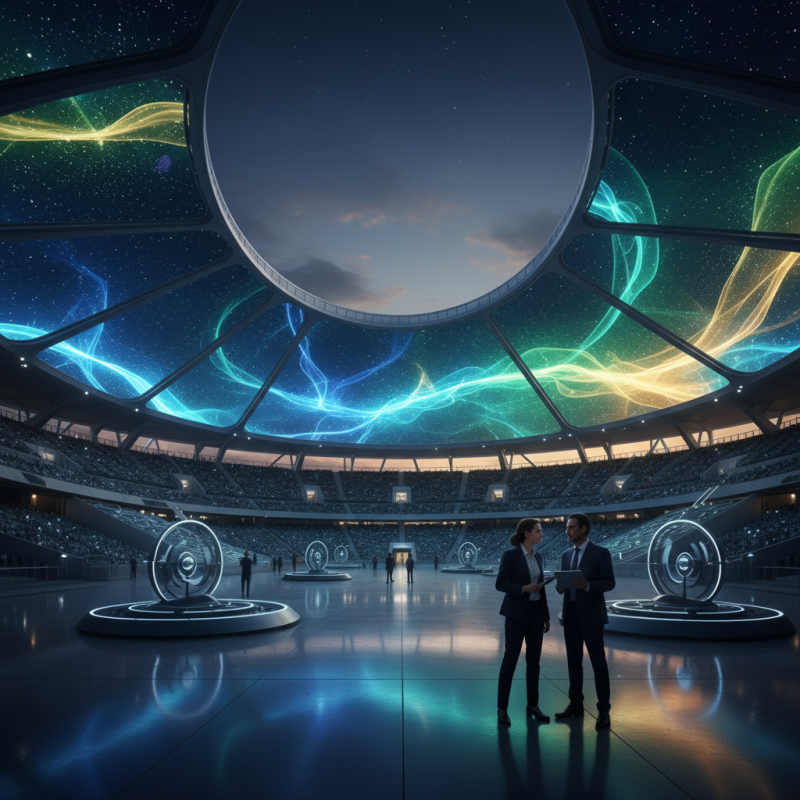
Large-scale displays, commonly found in venues like stadiums and airports, consume significant power. Inefficient designs lead to wasted energy, impacting operational costs and environmental sustainability. Implementing energy-efficient technologies, such as LED displays and smart energy management systems, can drastically reduce consumption. It's crucial to rethink design principles and materials used.

Moreover, artists and designers often overlook energy efficiency in their pursuit of captivating visuals. Education and awareness play vital roles in addressing this gap. By incorporating energy-efficient practices from the design phase, the industry can not only enhance its ecological footprint but also foster creativity that aligns with modern energy demands. Reflecting on these practices can illuminate paths for innovation and responsibility moving forward.
Top Tips to Optimize Energy Efficiency in Large Scale Displays?

Understanding Energy Efficiency in Large Scale Displays

Understanding energy efficiency in large scale displays is vital for optimizing performance and reducing costs. These displays consume significant power, making it essential to adopt effective strategies. First, understanding the display technology is key. LED and OLED technologies offer different efficiency levels, impacting energy consumption.

Selecting the right resolution matters. Higher resolutions often require more power. Consider the viewing distance. Using a lower resolution for distant viewing can save energy. Additionally, proper calibration of brightness levels is essential. Displays running at maximum brightness can waste energy. Users might not notice if the brightness is reduced slightly.

Maintenance also plays a critical role. Dust and dirt accumulation can hinder performance, leading to increased energy use. Regular cleaning should be a priority. Users may overlook the impact of software updates as well. Updates can introduce optimizations that improve efficiency. Aim to strike a balance between functionality and energy saving. Experimenting with different setups may yield surprising results.

Key Components of Large Scale Display Systems

Large scale display systems are vital in various sectors, including advertising and education. These systems consist of key components that directly affect their energy efficiency and performance. Understanding these components is essential for optimizing energy use.

One crucial part is the display itself. Whether LED, LCD, or projection, each technology has different energy needs. LED displays tend to be more efficient, consuming less power while offering brighter images. Configuration also matters. The arrangement of displays influences power consumption. A well-planned setup can significantly reduce energy waste.

Another key component is the control system. This includes the software that manages content and adjusts brightness based on ambient light. Smart controls can save energy and extend the lifespan of the displays. Using automation can also enhance efficiency, but it requires careful programming to avoid unintended power spikes during operation. Overall, analyzing and understanding these components can lead to more substantial energy savings in large scale displays.

Strategies for Reducing Power Consumption

When optimizing energy efficiency in large scale displays, reducing power consumption is crucial. One effective strategy is adjusting the brightness settings. Many displays operate at higher brightness levels than necessary, wasting energy. Reducing brightness can save considerable energy while maintaining visibility.

Implementing scheduling for display usage can also enhance power efficiency. Running displays only during peak hours minimizes unnecessary power consumption. It's essential to review daily schedules. For a venue, this might mean shutting down displays outside of active hours.

Regular maintenance of digital displays is essential. Dust and dirt can hinder a display's performance, leading to increased energy usage. Frequent cleaning can keep displays functioning optimally. Another consideration is upgrading to energy-efficient technology. While the upfront cost may be higher, long-term savings can outweigh these initial expenses. Energy-efficient displays often require less power and can significantly reduce operational costs.

Investing in Energy-Efficient Technologies

Investing in energy-efficient technologies is a crucial step for optimizing energy use in large-scale displays. These technologies can dramatically reduce energy consumption. For instance, LED screens consume less power compared to traditional LCD displays. By switching to LEDs, businesses can lower their operational costs significantly. This shift also results in fewer carbon emissions, aligning with broader sustainability goals.

However, not every energy-efficient technology is suitable for every application. Companies must assess specific needs and environments. Energy-efficient solutions should integrate smoothly with existing systems. For example, incorporating smart sensors can help manage energy use based on occupancy. This is a practical step toward achieving greater efficiency.

Continuous evaluation of energy consumption patterns is necessary. Regular audits can reveal inefficiencies. Often, there are overlooked areas where energy waste occurs. Relying solely on technology is not enough. Employee training and awareness are essential components in driving energy efficiency. Engaging staff in energy-saving initiatives ensures a collective effort toward sustainability. The right mix of technology and human involvement can unleash significant potential for energy savings.

Top Tips to Optimize Energy Efficiency in Large Scale Displays

Monitoring and Analyzing Energy Usage in Displays

Monitoring energy usage is critical in optimizing large scale displays. With large installations, energy costs can skyrocket. A study by the International Energy Agency (IEA) reveals that digital displays account for about 10% of total energy consumption in commercial settings. This emphasizes the importance of tracking and analyzing energy patterns accurately.

Start with real-time monitoring tools. These tools provide insights into energy consumption trends. They can identify peak usage times and areas where energy waste occurs. Reports show that organizations implementing monitoring solutions reduce energy costs by an average of 15%. This is significant for large displays, where even small inefficiencies can lead to substantial waste over time.

Analyzing collected data is equally vital. It enables businesses to make informed adjustments based on actual usage. Utilizing analytics can help pinpoint display settings that maximize energy efficiency. Some settings may need revision based on the specific environment or time of day. Regular audits and system checks are essential to refine these settings. Even top companies often find discrepancies in their energy usage that need addressing.

FAQS

: What are large scale display systems used for?

: They are vital for advertising and education sectors.

What types of displays are common in these systems?

Common types include LED, LCD, and projection displays.

Why are LED displays preferred for energy efficiency?

They consume less power and provide brighter images than other technologies.

How does display arrangement affect energy usage?

A well-planned configuration can significantly reduce energy waste.

What role does the control system play in energy efficiency?

It manages content and adjusts brightness, saving energy and extending display lifespan.

How can adjusting brightness settings help?

Many displays are too bright, so reducing brightness can save energy without losing visibility.

Why is scheduling display usage important?

It avoids unnecessary power consumption during non-peak hours.

How does regular maintenance impact energy consumption?

Clean displays perform better and use less energy compared to dirty ones.

What should be considered when upgrading to new technology?

Although upfront costs may be higher, energy-efficient displays can save money long-term.

What challenges come with using smart controls for displays?

They need careful programming to prevent unintended power spikes.

Conclusion

Optimizing energy efficiency of large-scale display solutions is critical for reducing operational costs and minimizing environmental impact. Understanding the fundamental concepts of energy efficiency and identifying key components of display systems are essential first steps. Implementing strategies for reducing power consumption can include employing adaptive brightness controls and utilizing advanced display technologies that require less energy.

Investing in energy-efficient technologies such as LED displays and monitoring energy usage through real-time analytics can further enhance performance and sustainability. By analyzing energy usage patterns, organizations can make informed decisions that not only optimize energy efficiency but also improve overall system functionality. These approaches collectively contribute to a more sustainable operation of large-scale display solutions, benefitting both businesses and the environment.

Charlotte

Charlotte

Charlotte is a seasoned marketing professional with a deep understanding of the company's portfolio and a passion for elevating its presence in the market. With a keen eye for detail and a commitment to excellence, she ensures that our professional blog is regularly updated with insightful articles......