In today's fast-paced world, ensuring optimal viewing angles is crucial for enhanced multi-directional visibility. This concept is not just about aesthetics; it plays a significant role in functionality and safety. Businesses, designers, and engineers alike must understand how to optimize viewing angle for multi-directional visibility. For example, poorly designed spaces can lead to blind spots that create hazards.
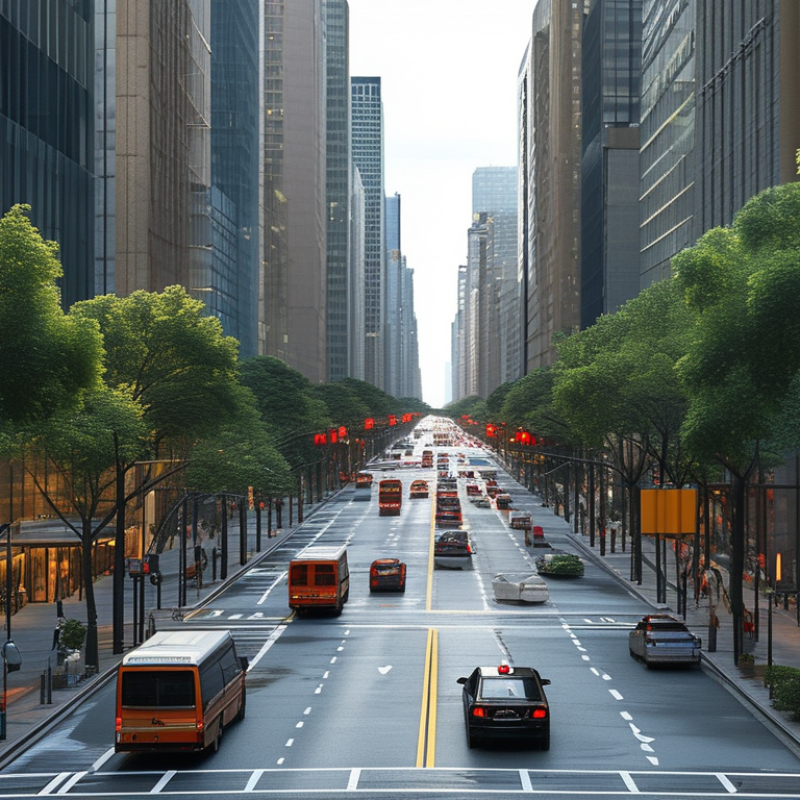
The importance of visibility extends to various domains, including urban planning and vehicle design. Consider traffic intersections where poor sightlines can result in accidents. By optimizing viewing angles, we can mitigate risks and improve overall safety. However, achieving ideal configurations can be challenging. Many designs fail to account for real-world conditions, leading to ineffective solutions.
Experts in the field emphasize the need for research and testing. They suggest that incorporating feedback from end-users can provide valuable insights. Ultimately, balancing aesthetic appeal and practical functionality requires constant reflection and adjustment. The goal remains clear: to maximize visibility, ensuring clear lines of sight and reducing potential risks in our environments.
Benefits of Optimizing Viewing Angles in Design
Optimizing viewing angles in design is crucial for enhancing user experience and functionality. When viewers engage with a product, they often do not see it from a single point. This makes multi-directional visibility a key factor. It allows users to gather information easily and reduces strain on the eyes. Proper angles can increase accessibility, making products more friendly and engaging.
Incorporating optimal viewing angles requires thoughtful design. Designers must consider the surroundings and how people interact with objects. For instance, a chair placed at the wrong angle might not serve its purpose well. Even the angle of a screen can determine its usability. Too steep or too shallow can impair readability. Such details are vital for creating well-rounded solutions that truly resonate with users.
Reflecting on common challenges can lead to better outcomes. Sometimes, designers focus heavily on aesthetics at the expense of functionality. This can result in user frustration. Striking a balance between form and function is not always easy. Being aware of these pitfalls can help improve the design process. When viewing angles are prioritized, the final product is often more effective and enjoyable.
Understanding Multi-directional Visibility and Its Importance
Multi-directional visibility is a crucial aspect in various fields, from architecture to driver safety. It influences how we experience space and movement. When designing environments, optimizing viewing angles improves the way people perceive their surroundings. A well-placed window or mirror can enhance light flow and openness.
In bustling urban environments, visual access can significantly impact safety. For pedestrians, clear sightlines reduce the risk of accidents. However, achieving this balance is not always straightforward. Structures may obstruct views or create blind spots. Therefore, continuous assessment is necessary.
Moreover, not all techniques for enhancing visibility will work in every context. Different spaces require flexible solutions. Users may have varied needs based on their activities or mobility. Past designs sometimes failed to account for these factors, leading to inadequate visibility. These experiences remind us that the pursuit of optimal multi-directional visibility needs ongoing reflection and adaptation.
Key Factors Influencing Viewing Angle Optimization
Optimizing the viewing angle is crucial for enhancing multi-directional visibility. Various factors come into play in this process. First, the design of the display or monitor significantly influences how well users can see information from different angles. Flat screens may create blind spots, while curved displays can improve visibility from various positions. However, not all angles will provide a perfect view. There is often a trade-off between aesthetics and functionality.
Lighting is another key factor. Ambient light can affect how images appear on screens. Reflections may distort the view, making readability difficult. This becomes more pronounced in brightly lit environments. Users sometimes find themselves repositioning to escape glare. Moreover, the size and location of the display matter. A screen placed too high or low can limit accessibility. It's essential to strike a balance between screen placement and user comfort.
Additionally, user behavior is unpredictable. People often view screens from different sitting or standing positions. This variability can complicate the optimization process. Some may prefer viewing from an angle, while others favor direct sightlines. Testing with real users can yield insights but reveals inconsistencies. It’s a complex challenge, and relying solely on technical specs may not guarantee success. Understanding user needs is pivotal.
Key Factors Influencing Viewing Angle Optimization
The following bar chart illustrates key factors affecting the optimization of viewing angles for improved multi-directional visibility. The data represents the average importance rating for various factors on a scale from 1 to 10.
Techniques for Enhancing Visibility Across Different Directions
Optimizing the viewing angle is vital for improving multi-directional visibility. Various studies indicate that enhancing visibility can lead to a significant reduction in accidents. For example, a report from the National Highway Traffic Safety Administration shows that better visibility can decrease accident rates by up to 20%.
Implementing techniques such as adjusting screen angles or using reflective materials can make a substantial difference. A recent industry study found that vehicles equipped with adaptive lighting systems improved visibility by nearly 30% in low-light conditions. These adjustments enable drivers to better see and respond to their surroundings. Yet, not every solution is perfect. Some reflective materials can create glare, potentially reducing the overall effectiveness.
In addition, leveraging technology like surround-view cameras has seen increased adoption. This innovation allows for a comprehensive view of the vehicle's environment. However, users still report challenges in relying solely on cameras for navigation. There’s a need for a balanced approach, integrating traditional visibility techniques with cutting-edge technology for optimal safety.
Why Optimize Viewing Angle for Better Multi-directional Visibility? - Techniques for Enhancing Visibility Across Different Directions
| Technique |
Description |
Benefits |
Applications |
| Adjustable Mounts |
Use of mounts that allow for angle adjustments to optimize view. |
Improved line of sight from various positions. |
Displays, Cameras |
| Wide-Angle Lenses |
Incorporating lenses that capture a larger field of view. |
Enhances visibility across a wider angle without distortion. |
Cameras, Projectors |
| Reflective Surfaces |
Using surfaces that reflect light to improve visibility. |
Increases visibility in low-light conditions. |
Signage, Displays |
| Multi-Screen Setup |
Using multiple screens to show content from different angles. |
Provides comprehensive visibility for larger audiences. |
Control Rooms, Trade Shows |
| User Interface Design |
Implementing UI elements that enhance interaction from various angles. |
Easier navigation from different positions. |
Web Applications, Digital Displays |
Real-world Applications of Improved Multi-directional Viewing Angles
Optimizing viewing angles is crucial in various real-world applications. Enhanced multi-directional visibility benefits multiple sectors. This includes transportation, architecture, and surveillance. Imagine a city planner designing a street with strategic lighting to improve safety. Better visibility can reduce accidents.
Another area is architecture. A well-designed building can offer panoramic views from various directions. This not only enhances aesthetic appeal but also maximizes natural light. A downside is that excessive light can create glare. Balancing visibility with comfort is essential.
Tip 1: Consider how the layout of windows affects light entry. Place larger windows to invite more light, but don’t forget to incorporate blinds for glare reduction.
In surveillance, multi-directional visibility is vital. Cameras need optimal angles to monitor extensive areas. Poor placement can leave blind spots. It’s essential to assess exactly where to position them for full coverage.
Tip 2: Regularly review camera positions. Technology evolves, and so do the environments we monitor. Adjusting angles can enhance security significantly.
While improving visibility is beneficial, it's wise to reflect on potential downsides. Is there too much brightness in certain areas? Are we neglecting privacy concerns? Thoughtful planning can lead to better outcomes.
Conclusion
Optimizing viewing angles is essential for enhancing multi-directional visibility, particularly in design contexts where user experience is paramount. By focusing on the benefits of optimizing viewing angles, designers can create environments that significantly improve sightlines and accessibility. Understanding the importance of multi-directional visibility helps address challenges presented by varied user perspectives, ensuring that all users can experience the intended visual communication.
Key factors influencing viewing angle optimization include the arrangement of objects, lighting conditions, and the materials used in design. Techniques such as strategic positioning and the use of reflective surfaces can further enhance visibility across different directions. The application of improved multi-directional viewing angles can be observed in settings ranging from architectural design to digital displays, demonstrating the practical implications of this optimization. In summary, to truly enhance user interaction and safety, it is vital to optimize viewing angle for multi-directional visibility.

 Xiguang Display