In the competitive landscape of LED display systems, businesses are keen to find effective strategies to reduce maintenance costs of large LED display systems. Industry expert, John Smith, a renowned technician with over 20 years of experience in LED technology, emphasizes that "proactive maintenance is key to minimizing expenses." This insight highlights the importance of not just reactive solutions but also a strategic approach to maintenance.
Investing in quality components and regular check-ups can make a substantial difference. For instance, ensuring proper ventilation and avoiding overheating can extend the lifespan of the screens. Additionally, using predictive analytics to anticipate issues can prevent costly repairs down the line. It's essential to recognize potential flaws in our current maintenance practices. Are we waiting too long between checks? Are we using outdated parts?
As we explore ways to reduce maintenance costs of large LED display systems, embracing modern technologies and practices is vital. The balance between cost-saving and proper upkeep will define long-term success in the industry.
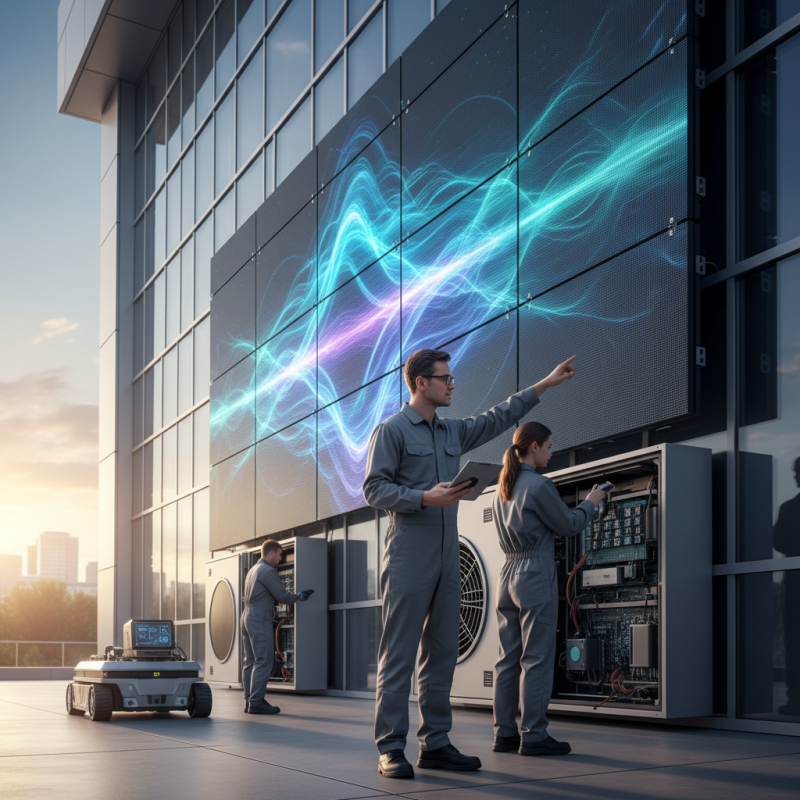
Understanding the cost structure of large LED display maintenance is crucial for operators. Maintenance costs can vary widely based on several factors. Regular inspections and cleanings are essential. They prevent long-term damage and provide accurate performance metrics. Neglecting these tasks could lead to higher repair costs later.
Another significant factor is the availability of replacement parts. When components fail, sourcing quality replacements is vital. Sometimes the delay leads to significant downtime. Facilities must be prepared for this. Keeping an inventory of essential parts often proves beneficial. This proactive approach can reduce response time and costs.
Training staff is also an essential part of this framework. Well-trained employees can identify issues early. They save time when troubleshooting problems. Yet, training can be a hidden cost that some overlook. Allocating budgets for this purpose helps avoid future expenditure. Reflecting on these elements ensures a more efficient maintenance strategy for large LED displays.
Identifying common maintenance issues in LED display systems is crucial for reducing costs. Regular inspections can reveal problems before they escalate. One common issue is pixel failure. Dead pixels can ruin the overall display quality. Timely replacement of malfunctioning modules helps maintain a vibrant image.
Another frequent problem is poor weather resistance. Outdoor LED displays often face harsh conditions. Moisture can seep into the display and cause short circuits. Implementing proper sealing techniques is essential. It reduces repair costs and extends the display’s lifespan. Routine cleaning is also necessary. Dust can accumulate and obstruct visibility.
Cable wear and tear is yet another concern. Frayed cables can lead to signal loss and reduced performance. Using high-quality cables and protecting them with conduits can mitigate this issue. However, even the best materials wear down over time. Regular assessments are vital. This proactive approach helps identify potential problems early, saving you from unexpected downtime and costly repairs.
Predictive maintenance strategies are essential for minimizing downtime in large LED display systems. Industry reports indicate that businesses experience substantial losses due to unplanned interruptions. According to a study from the tech sector, organizations can save up to 12% in operational costs by implementing predictive maintenance practices.
Analyzing data from sensor technology can significantly enhance maintenance planning. By continuously monitoring the performance of LED displays, companies can anticipate failures before they occur. Regular inspections alone often miss early signs of wear and tear. The reliability of predictive maintenance relies on data accuracy and timely analysis, which some firms still struggle to implement effectively.
Moreover, maintenance teams need training to interpret data correctly. Regularly scheduled training ensures that personnel can utilize new technology to its fullest. A report by Industry Week suggests that companies dedicated to training see a decrease in downtime by as much as 30%. Recognizing the gaps in predictive maintenance practices is crucial. Without proper execution, even the most sophisticated technology can lead to unexpected failures.
| Strategy | Description | Estimated Cost Savings (%) | Implementation Time (Weeks) |
|---|---|---|---|
| Regular Inspections | Conduct routine checks to identify and address issues early. | 15% | 2 |
| Predictive Analytics | Use data analysis to predict failures before they occur. | 25% | 4 |
| Training Personnel | Invest in training staff for better maintenance practices. | 10% | 3 |
| Scheduled Replacements | Pre-plan replacement of outdated components to avoid downtime. | 20% | 5 |
| Real-time Monitoring | Implement systems for real-time alerts for malfunctions. | 30% | 6 |
Quality components play a crucial role in reducing maintenance costs for large LED display systems. Investing in durable materials can significantly extend the lifespan of these systems. According to industry reports, using high-quality LEDs can enhance performance and decrease failure rates by up to 30%. This not only reduces maintenance costs but also improves overall reliability.
Here are some tips to consider:
Choose components that have a proven track record. Look for displays with good heat dissipation features. Overheating can shorten lifespan and increase costs. Regularly inspect and clean the system. Dust accumulation can affect brightness and performance, leading to potential failures.
Engaging with expert professionals for installation is essential. Competent technicians can prevent common pitfalls that lead to costly repairs. Consider implementing regular maintenance schedules. This proactive approach can identify issues before they turn into expensive repairs.
Training staff for efficient maintenance practices in display operations is crucial for reducing costs. A well-trained team can identify issues early, leading to lower repair costs and downtime. According to a report by the National Institute of Standards and Technology, maintenance training can reduce overall operational costs by up to 30%. This figure highlights the importance of prioritizing staff education.
Staff should receive hands-on training with the latest technologies in LED display systems. This includes understanding software diagnostics and hardware functions. A 2020 survey indicated that companies investing in staff training saw a 25% increase in operational efficiency. However, many organizations still overlook the need for regular training updates, leaving personnel ill-prepared for evolving technologies.
Encouraging a culture of proactive maintenance can lead to significant savings. Teams should practice routine checks and be familiar with troubleshooting common issues. An industry study revealed that 60% of maintenance problems arise from lack of knowledge among staff. Therefore, continuous education and assessment are essential, yet many firms fail to implement structured training programs. This gap can result in increased downtime and repair costs, affecting overall profitability.
: Predictive maintenance strategies help minimize downtime in large LED display systems by anticipating failures before they happen.
These strategies can save up to 12% in operational costs by reducing unplanned interruptions and improving system reliability.
Analyzing data from sensors enhances maintenance planning. It helps detect issues early, preventing unexpected failures.
Poor training can lead to misinterpretation of data and increased downtime. Many firms overlook this critical aspect.
Using durable components can extend system lifespan and reduce failure rates, cutting maintenance costs significantly.
Regularly inspecting systems helps catch dust accumulation and other issues, reducing risk of failures and maintaining performance.
Trained staff can identify problems early, reducing repair costs and downtime. However, many organizations neglect ongoing training.
Competent technicians can avoid common installation pitfalls, which helps prevent costly repairs and future failures.
Encouraging routine checks leads to significant savings. However, many teams fail to adopt this culture, increasing risks.
Many companies lack structured training programs, which can result in increased downtime and repair costs affecting profitability.
To effectively reduce maintenance costs of large LED display systems, it is crucial to first understand the underlying cost structure associated with their upkeep. By identifying common maintenance issues, operators can proactively address potential problems before they escalate, thus reducing downtime and repair expenses. Implementing predictive maintenance strategies allows for timely interventions that can prevent costly failures.
Furthermore, utilizing quality components not only extends the lifespan of the displays but also minimizes the need for frequent repairs. Finally, investing in training staff on efficient maintenance practices ensures that the operations run smoothly, further contributing to cost reductions. By focusing on these key strategies, organizations can substantially lower their maintenance costs while maximizing the performance of their large LED display systems.

Xiguang Display