How to Remotely Control and Manage Your LED Display in 2026

Time:2026-09-01 Author:Aria
0%

In the rapidly evolving world of digital displays, mastering how to control and manage an LED display remotely has become essential for businesses. According to Dr. Emily Tran, a leading expert in LED technology, "Remote management not only ensures efficiency but also enhances the viewer experience." Her insights highlight the importance of leveraging technology to optimize display performance.

With advancements in software and network capabilities, remote control of LED displays offers flexibility. Users can adjust brightness, change content, and monitor performance from anywhere. However, many struggle with connectivity issues and software compatibility. This can lead to frustration and decreased effectiveness. Awareness and training on these aspects are crucial for successful implementation.

Moreover, security remains a concerning issue. Proper protocols must be in place to protect sensitive information. As we explore further, understanding the balance between convenience and safety is vital. Effectively managing these aspects can yield significant benefits.
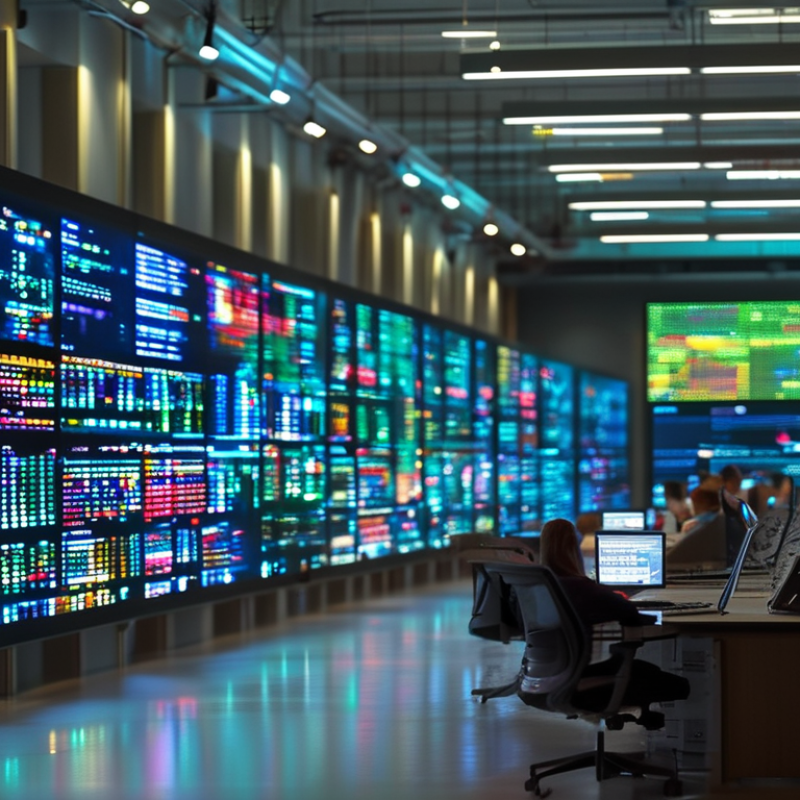
How to Remotely Control and Manage Your LED Display in 2026

How Remote Control Technology is Transforming LED Display Management

Remote control technology is revolutionizing how we manage LED displays. In 2026, this transformation is becoming evident across various industries. With improved software and hardware, users can now adjust settings remotely. This innovation enhances operational efficiency and allows for real-time monitoring. Imagine managing dozens of displays from a single dashboard. It simplifies tasks and reduces the need for physical presence.

However, challenges persist. Connectivity issues can disrupt control features. Users may experience latency or signal loss. This requires reliance on robust internet connections and backup systems. Additionally, cybersecurity risks are significant. Unauthorized access can lead to manipulation of display content, which calls for strong security protocols.

Incorporating remote control tech does not guarantee seamless management. Training is essential for staff to fully leverage these tools. Understanding the system’s intricacies is crucial for effective use. Reflecting on past experiences, the need for a user-friendly interface is clear. A balance between complexity and usability must be maintained to maximize benefits.

Advancements in IoT and Cloud Computing for LED Displays in 2026

In 2026, managing LED displays remotely has become easier due to advancements in IoT and cloud computing. These technologies allow for real-time updates and monitoring from any location. IoT devices gather data, while cloud services store and process it efficiently. This integration simplifies the management of multiple displays, ensuring consistent performance.

Consider the importance of connectivity. Ensure your LED display is equipped with reliable IoT features. Poor connectivity could result in missed updates or delayed responses. Regularly check for software updates to maintain optimal performance.

Security remains a concern when managing devices remotely. Implement strong access controls and encryption to protect sensitive data. Review your security measures periodically to adapt to new threats. Always be proactive in addressing potential vulnerabilities. It's essential to stay informed about the latest security trends in remote management.

Remote Control and Management of LED Displays in 2026

Key Features of Effective Remote Management Solutions for LED Displays

Remote management solutions for LED displays have evolved significantly. In 2026, these solutions should prioritize user experience. Intuitive interfaces are essential. Easy navigation allows operators to manage displays seamlessly. Clear visual dashboards provide immediate feedback on display health. This is crucial for ensuring optimal performance.

Another key feature is real-time monitoring. Effective remote management should send instant alerts on performance issues. Users can act quickly to resolve problems. It's important to have detailed analytics available. Understanding usage patterns can enhance display efficiency. Regular software updates ensure compatibility and security.

Reliability is non-negotiable. Users need confidence in their remote management tools. However, not all solutions are foolproof. Some may face connectivity problems intermittently. A backup plan could mitigate these risks. It’s also vital to gather user feedback. Continuous improvement based on this input can lead to better features and user satisfaction. Balancing ambition with practicality can forge stronger systems.

Security Challenges in Remote LED Display Control and Solutions

Remote control of LED displays is becoming increasingly important in 2026, but security challenges abound. According to a recent industry report, 70% of organizations face cybersecurity threats with remote display management. This figure highlights the necessity for robust security measures in managing these systems. Vulnerabilities often stem from unsecured networks and inadequate encryption protocols. A single breach can compromise sensitive content displayed on these screens.

Basic security practices, such as regular software updates and network segmentation, are essential yet often overlooked. Many businesses underestimate the importance of training staff on security protocols. Without proper training, the human factor can become a significant vulnerability, accounting for up to 95% of security incidents. Companies should consider investing in comprehensive security solutions, including multi-factor authentication and advanced encryption, to mitigate these risks effectively.

Implementing these measures requires a focus on user experience as well. Balancing security with ease of access can challenge organizations. For example, overly complicated authentication processes may frustrate users and lead to workarounds that introduce new risks. Developing a clear understanding of potential threats while simplifying user access is crucial for effective management of remote LED displays.

Case Studies: Successful Remote Management of LED Displays in Various Sectors

The integration of remote management systems for LED displays has proven effective across various sectors. In corporate environments, businesses now rely on these systems for timely updates. A significant case study featured retail stores, where retailers adjusted promotions in real-time, increasing foot traffic. Results showed a 30% boost in sales during major events.

In transportation, digital billboards informed commuters about traffic conditions. This proactive approach alleviated congestion, enhancing the travel experience. However, challenges exist, such as connectivity issues and outdated software. As industries adopt more advanced technologies, continuous training is essential for staff to effectively use these tools.

Tips for successful remote management include ensuring robust internet connections. Regular updates and maintenance can prevent disruptions. It’s also crucial to monitor analytics carefully to assess display performance. This step informs future strategies, allowing for dynamic content adjustments. Ultimately, user experience must guide decisions in this rapidly evolving landscape.

FAQS

: What is the impact of remote control technology on LED display management?

: Remote control technology simplifies LED display management, enabling users to adjust settings from anywhere and enhancing efficiency.

What challenges are associated with remote management of LED displays?

Challenges include connectivity issues, latency, signal loss, and significant cybersecurity risks that require robust protections.

How can users ensure reliable connectivity for remote management?

Users should equip their displays with reliable IoT features and regularly check for software updates to maintain optimal performance.

Why is training important for staff using remote management tools?

Training helps staff understand the system’s intricacies, enhancing their ability to use the technology effectively and confidently.

What security measures should be taken for remote management?

Implement strong access controls, use encryption for data, and regularly review security practices to protect against vulnerabilities.

How do real-time monitoring features benefit LED display management?

Real-time monitoring sends instant alerts on performance issues, allowing users to quickly resolve problems and maintain optimal performance.

What role does user feedback play in remote management solutions?

Gathering user feedback is vital for continuous improvement, leading to better features and increased user satisfaction over time.

Can remote management solutions guarantee seamless operation?

No, not all solutions are foolproof; users may experience occasional connectivity issues that necessitate having a backup plan.

How important is the user interface in remote management solutions?

An intuitive interface is crucial for easy navigation, allowing operators to manage displays effectively and minimizing potential frustrations.

What is a common mistake when implementing remote control technology?

Neglecting the balance between complexity and usability can hinder the overall effectiveness of remote management solutions.

Conclusion

In the rapidly evolving landscape of 2026, understanding how to control and manage an LED display remotely has become essential for businesses and organizations. Remote control technology is revolutionizing the way LED displays are monitored and maintained, offering unprecedented flexibility and efficiency. The integration of IoT and cloud computing advancements enables seamless management, allowing users to update content, diagnose issues, and perform maintenance tasks from anywhere in the world.

Effective remote management solutions for LED displays incorporate key features such as user-friendly interfaces, real-time monitoring capabilities, and robust security measures. However, security challenges persist, necessitating reliable solutions to protect sensitive data and ensure safe access. Case studies across various sectors illustrate successful implementations of remote LED display management, showcasing the transformative impact of these technologies on operational efficiency and audience engagement.

Aria

Aria

Aria is a dedicated marketing professional with a deep passion for innovative strategies and a keen understanding of our company's product offerings. With a wealth of experience in the industry, Aria excels at crafting engaging content that highlights the unique features and benefits of our......