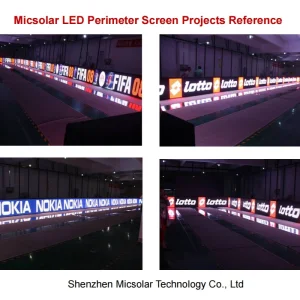
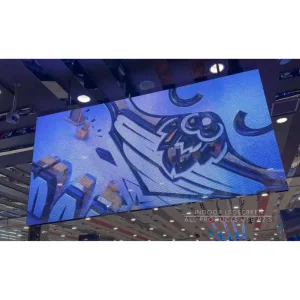
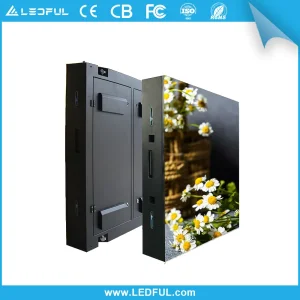
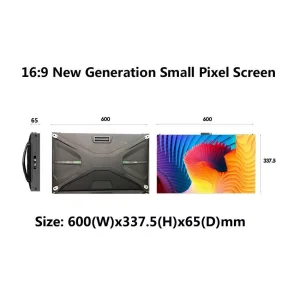
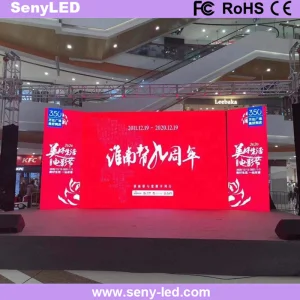
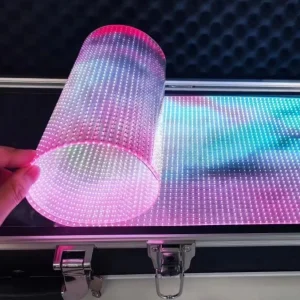
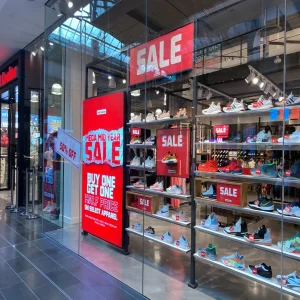
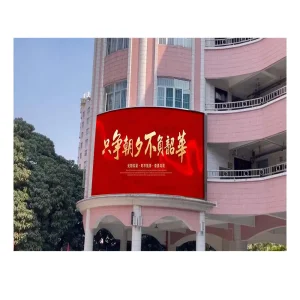
Explore our industrial-grade, certified LED displays engineered for sports event coverage, dynamic outdoor broadcasting, and high-visibility corporate signage.
Combining two decades of specialized expertise, our factories scale production without compromising visual execution.
Established in 2003 in Xiamen, China, with consolidated state-of-the-art manufacturing hubs in Shenzhen, LUMIVIS (branded dynamically in partnership with Shenzhen Xiguang Display Electronic Technology Co., Ltd.) has pioneered visual technologies for stadium, commercial, and creative displays for over twenty years.
We began as a precision module assembler and grew into an international powerhouse. Today, we manage full production lines including module assembly, advanced cabinet fabrication, extreme-environment thermal testing, and computerized radiometric color calibration. This localized integration allows us to guarantee high efficiency, robust structural reliability, and cost-effectiveness for OOH media partners and sports venue operators worldwide.
Our commitment to rigorous research ensures that every display complies with international regulatory measures, securing a strong position in high-stakes environments like professional football leagues, concert stages, and retail settings.
A closer look at the advanced mechanical engineering and optoelectronic systems powering our stadium display panels.
Stadium perimeter screens require direct protection against physical impacts. Our systems feature a soft, impact-absorbing rubber mask paired with a top-mounted foam cushion protector. This configuration absorbs impact kinetic energy, protecting both the LED modules from damage and professional athletes from injury in high-speed collisions.
Moving beyond traditional Surface Mounted Diode (SMD) tech, our COB (Chip-on-Board) and GOB (Glue-on-Board) methodologies shield pixels with epoxy sealing. This delivers IP65/IP66 waterproof performance, anti-corrosive protection against humidity, dustproofing, and scratch-resistant surfaces.
For live broadcasts, signal dropout is not an option. Our stadium systems are designed with backup power supplies and receiving cards. If a primary data line or power loop fails during a match, the backup system switches on instantly, keeping the commercial broadcast running without interruption.
| Technology Layer | SMD (Standard) | GOB (Glue-on-Board) | COB (Chip-on-Board) | |
|---|---|---|---|---|
| Physical Protection Level | Low (Exposed diodes are prone to physical impact damage) | High (Polyurethane protective layer prevents diode loss) | Extraordinary (Direct board encapsulation, ultra-rugged) | |
| Waterproof / Dustproof Index | IP65 (Front face only with standard masks) | IP66 Waterproof, Anti-dust, Anti-corrosion | IP66+ Hermetically Sealed Board Layout | |
| Thermal Efficiency | Standard convection via cabinet vents | Optimized thermal dissipation through face gel | Direct heat-sink conduction (greatly increases diode lifespan) | |
| Target Arena Applications | General outdoor signage & bill-boarding | High-impact sports perimeter displays | Fine-pitch control centers and premium arenas |
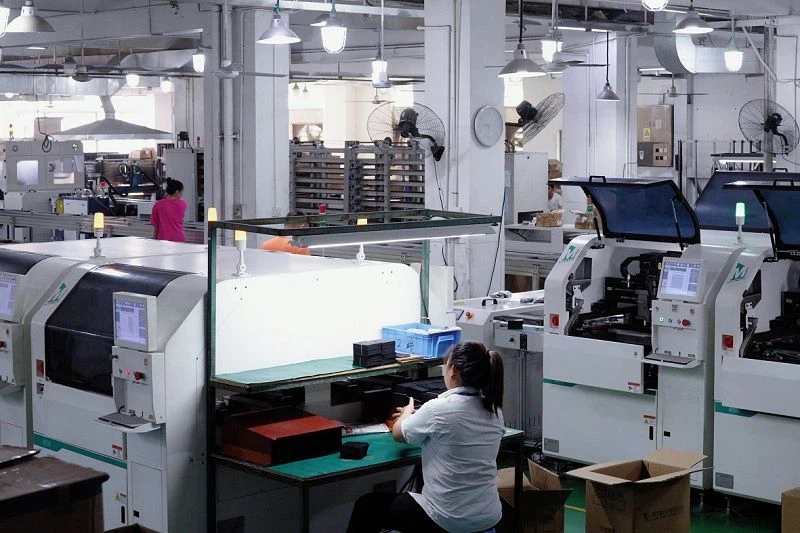
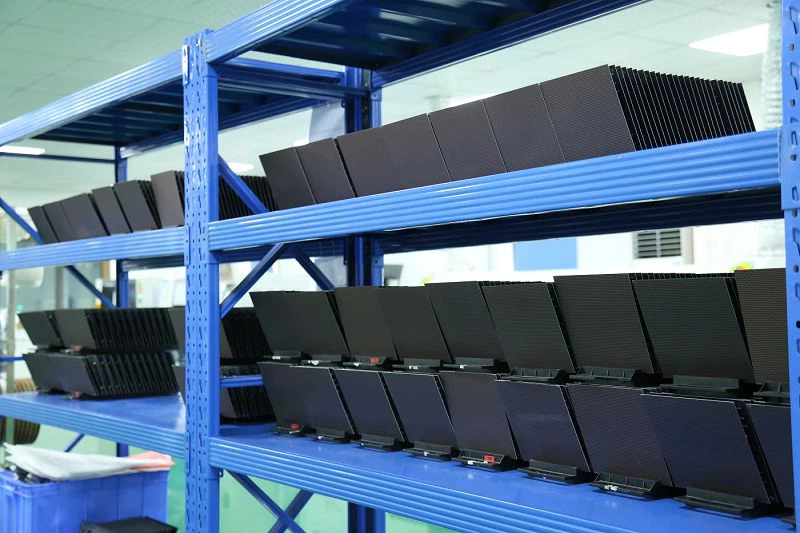
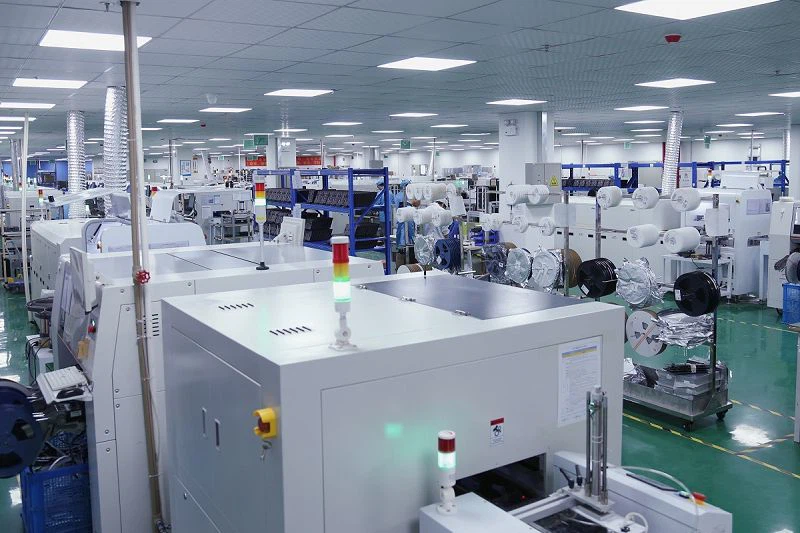
Our manufacturing center in Shenzhen matches high-volume capacity with strict quality control. Operating a monthly output of 30,000 square meters, our facility manages projects with brief lead times (typically 1 to 10 workdays) to keep pace with changing market conditions.
This strict approach reduces on-site maintenance costs and ensures that our perimeter advertising boards deliver reliable performance from the very first frame.
Perimeter screens play a central role in contemporary sports arenas and commercial properties. Beyond showing sponsor logos, they must look sharp and clear during live television broadcasts. High refresh rates of 3840Hz to 7680Hz eliminate scan lines on camera sensors, keeping sponsor branding crisp on television and mobile screens.
Our solutions cover a range of environments, including:
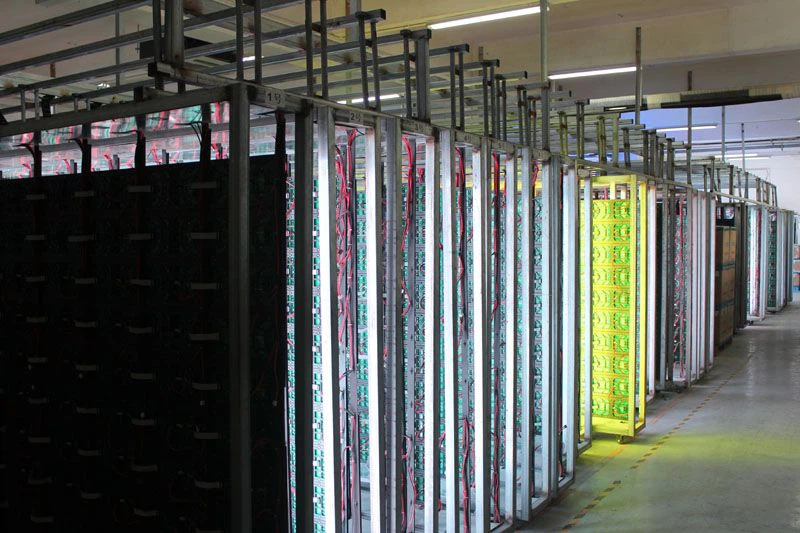
Inside the Shenzhen manufacturing center, combining advanced automation with strict quality testing.
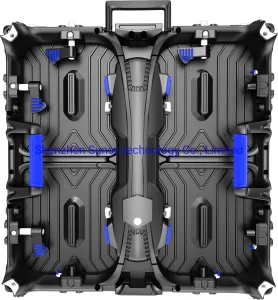
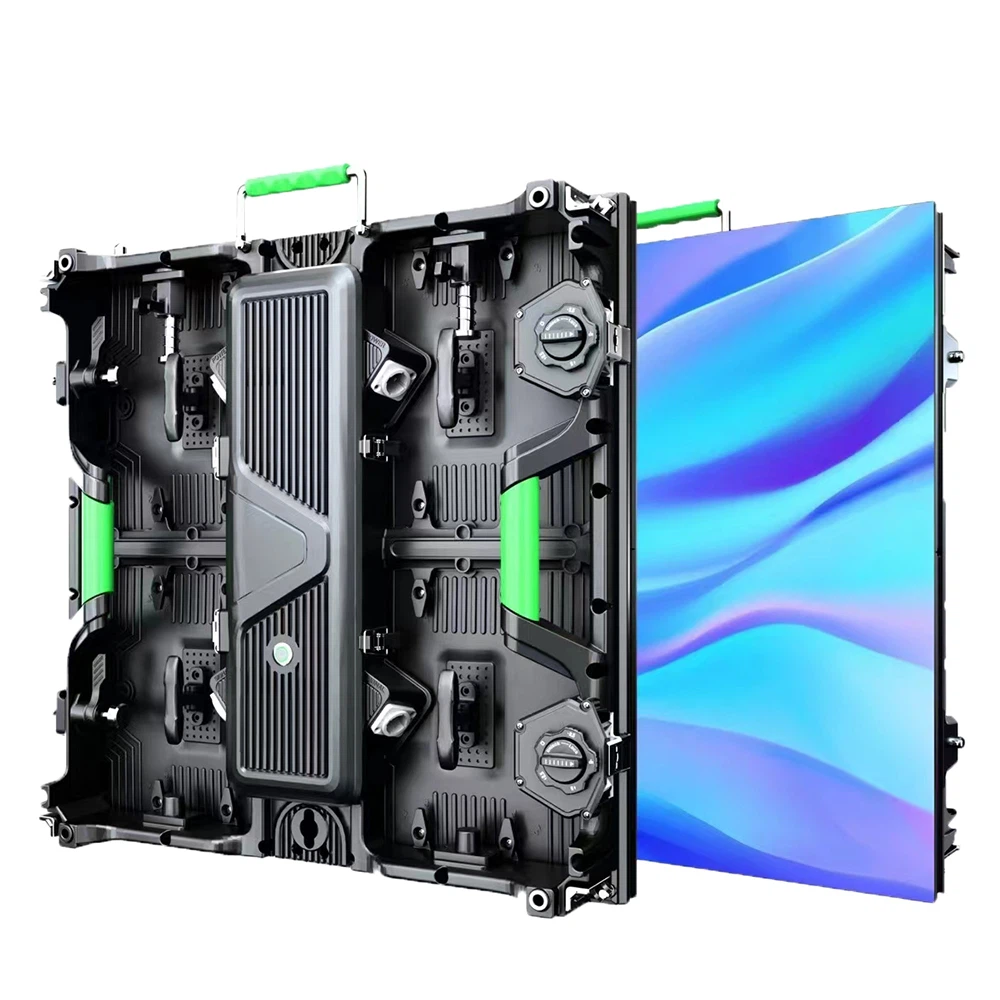
Our cabinets are built with precision die-cast aluminum, keeping them lightweight yet rigid enough to handle the wear and tear of temporary event setups.
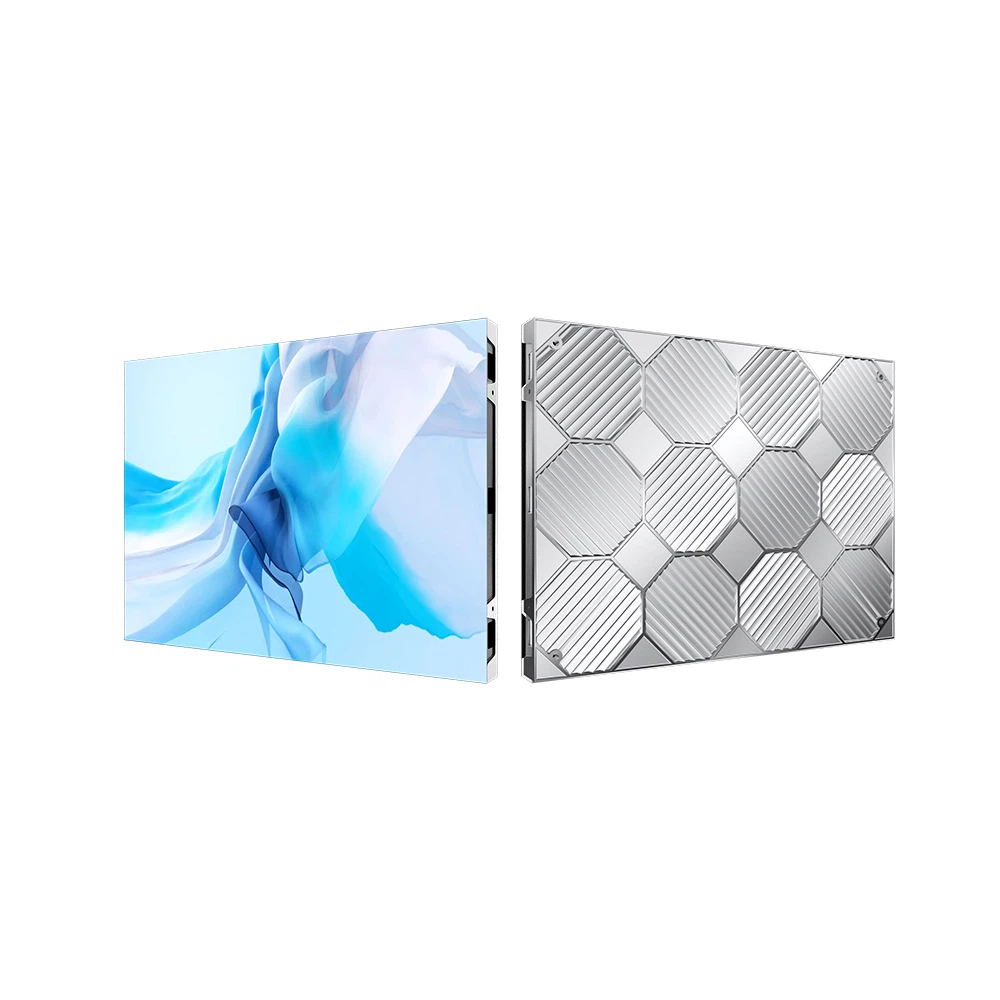
Designed for fast installation, featuring rapid-lock systems and modular maintenance doors for quick access from the front or rear.
All displays undergo pixel-by-pixel color calibration to guarantee consistent brightness and color output across the entire screen setup.
A structured lineup tailored to meet global venue demands and creative design requirements.
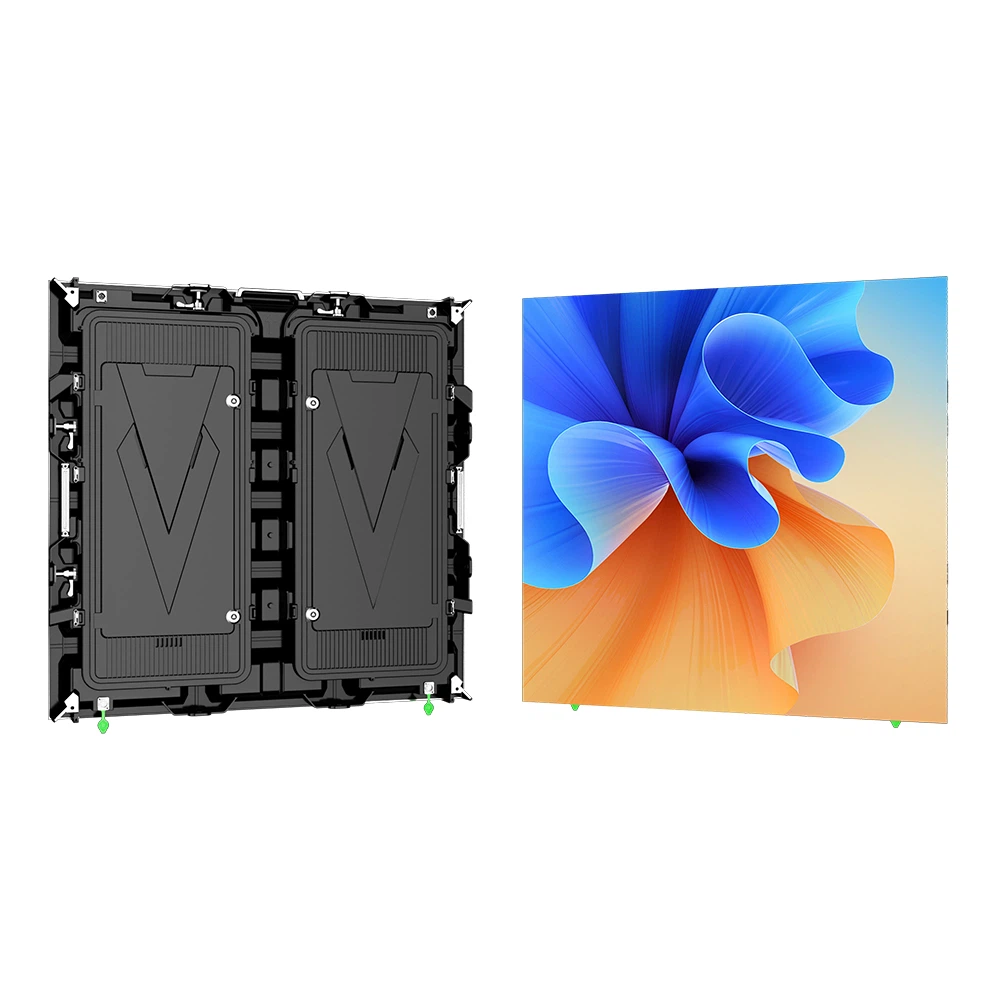
Specially designed for sports arenas, featuring soft rubber protections and adjustable support brackets.
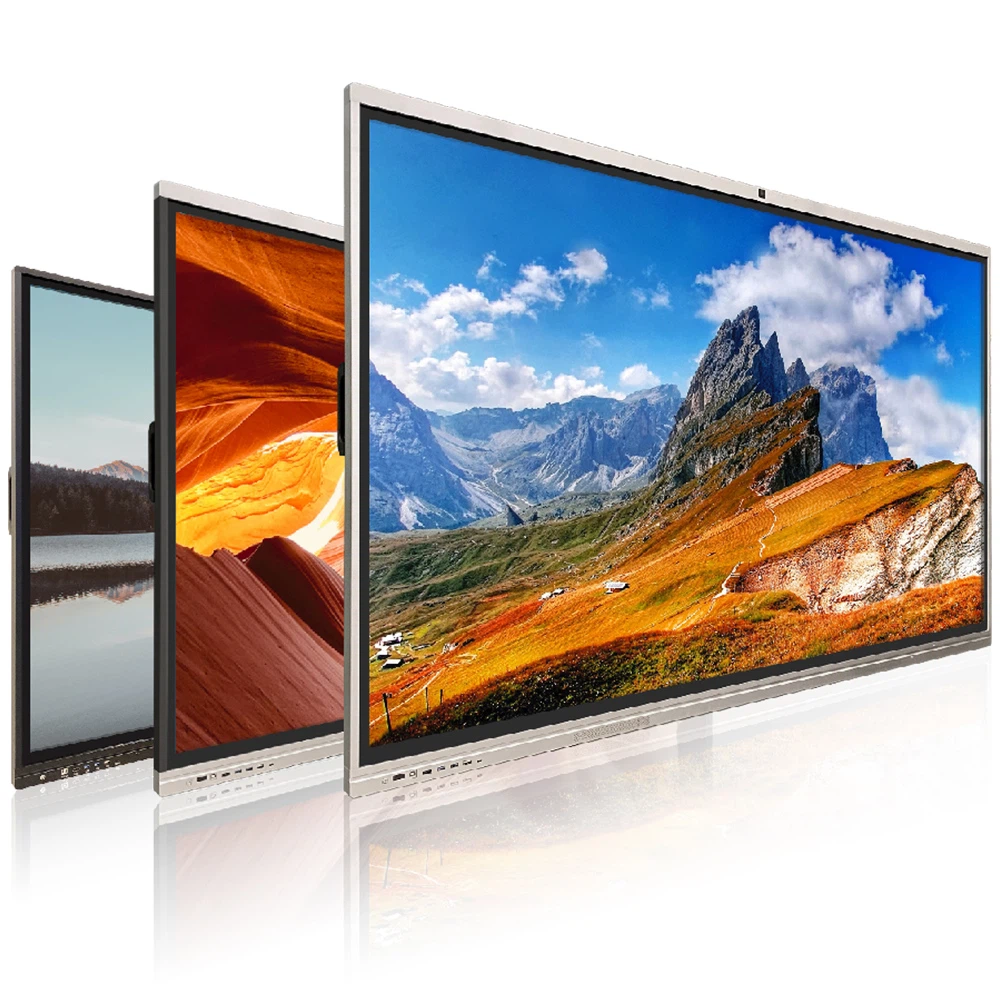
Out-of-home (OOH) media panels built to perform under extreme sunlight and rain.
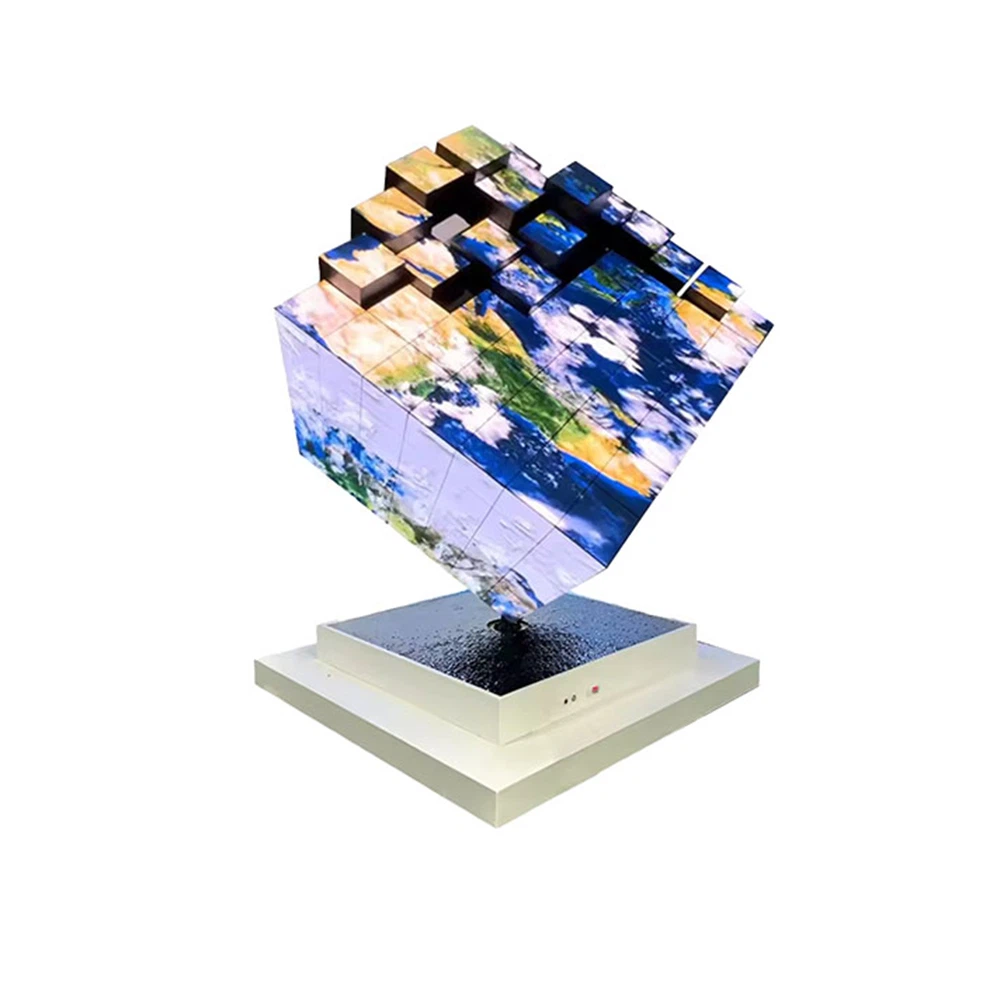
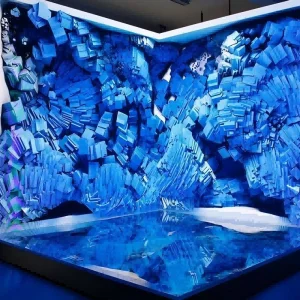
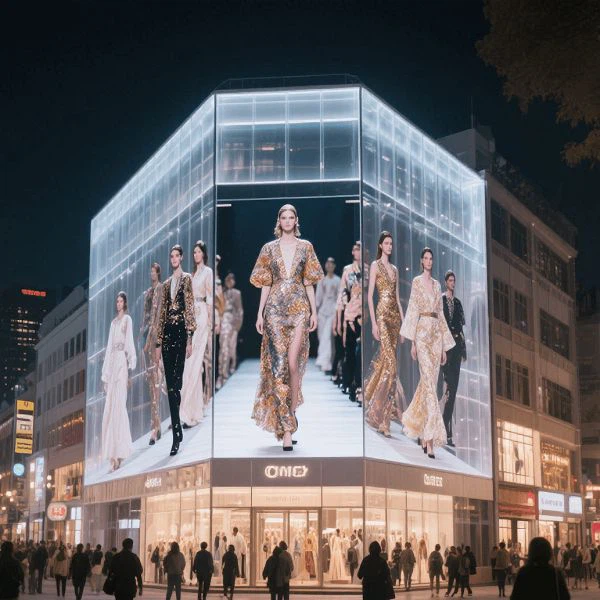
Bespoke shapes, curves, and unique pixel configurations built to custom creative parameters.
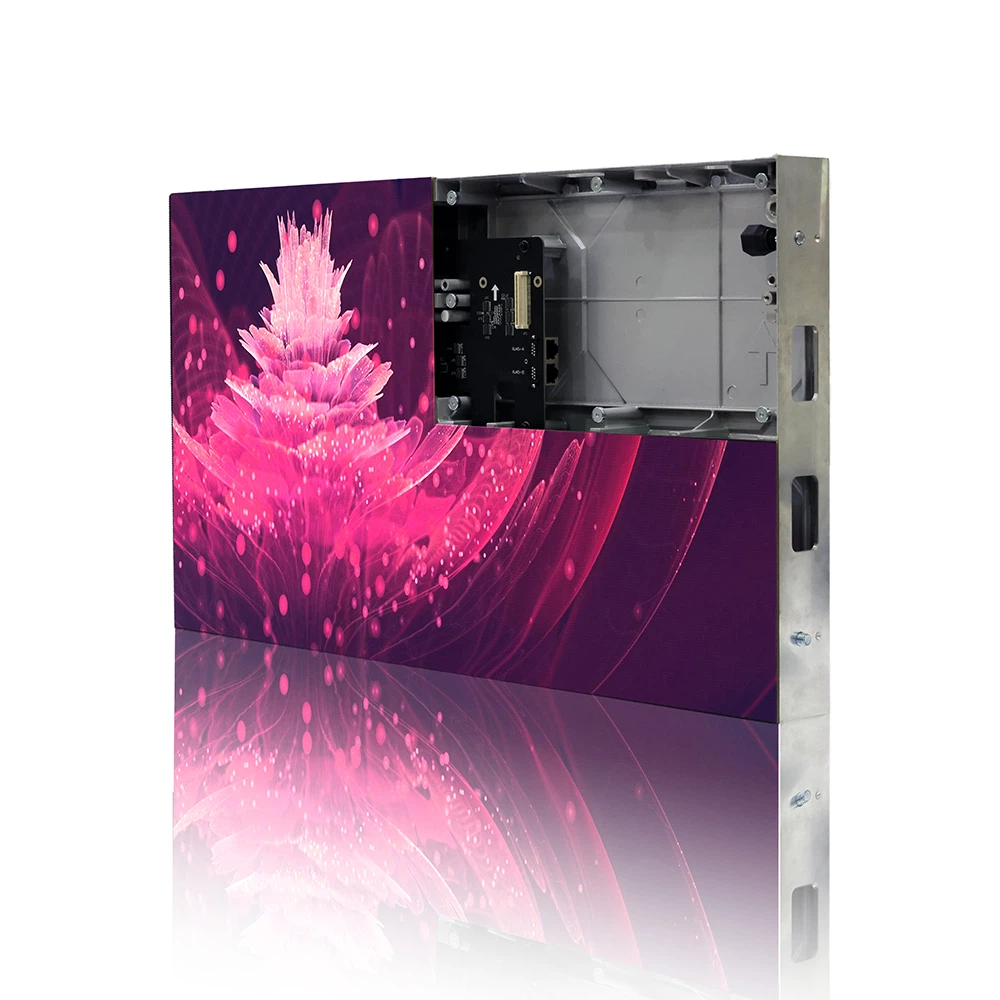
High-contrast, fine-pitch displays designed for close-up viewing in corporate command centers.
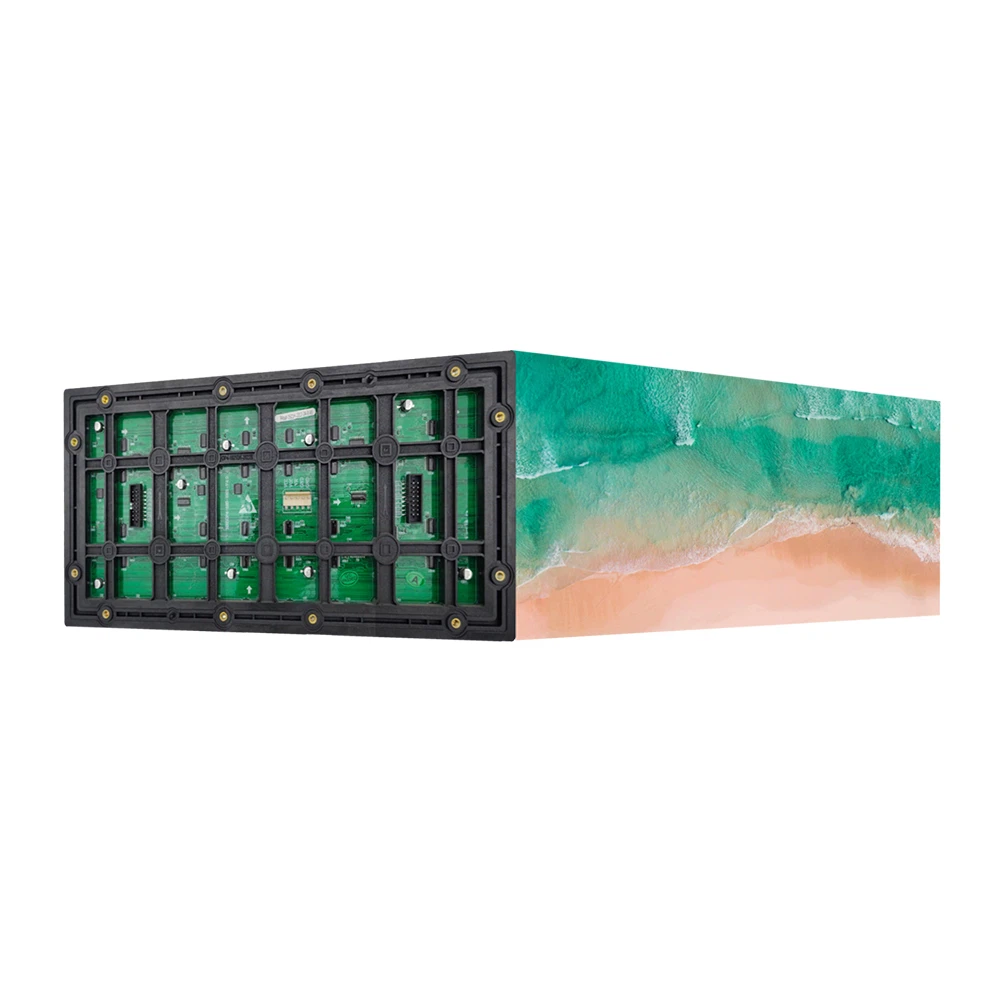
All-weather billboards built with energy-saving driver ICs to minimize operational overheads.
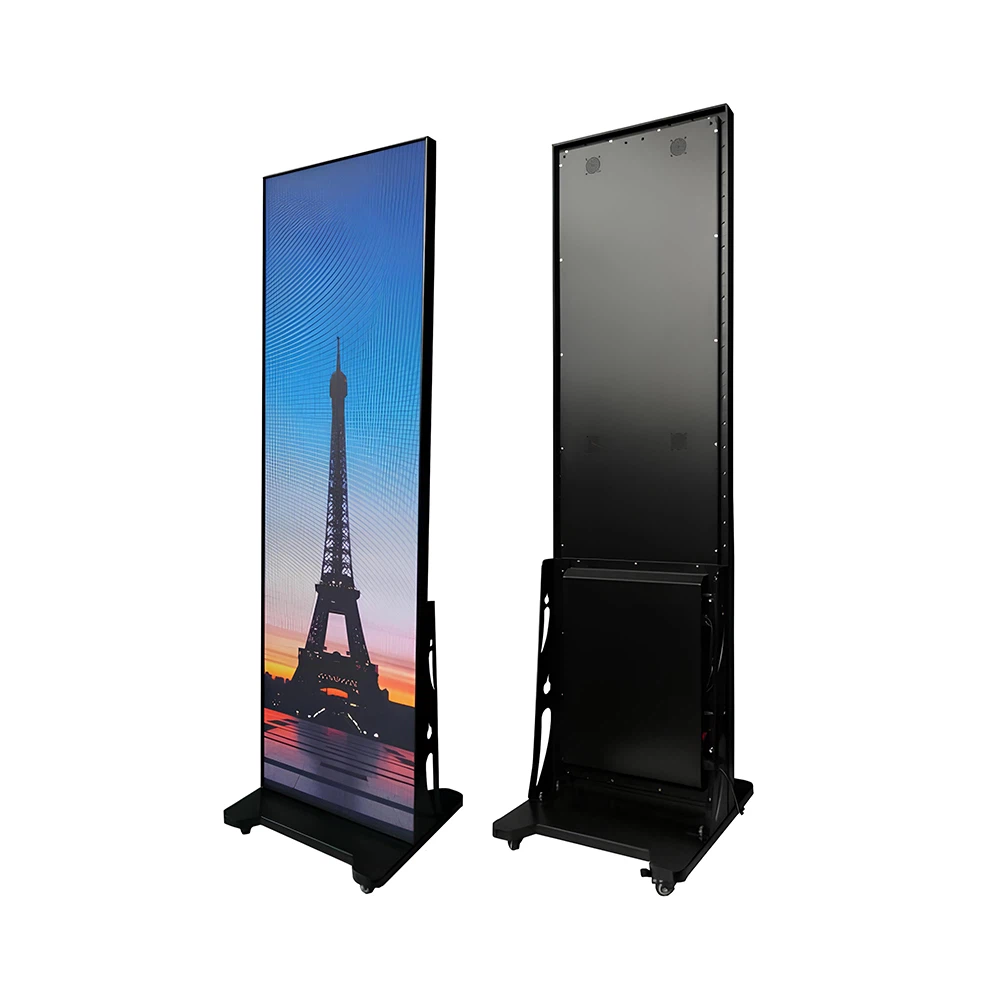
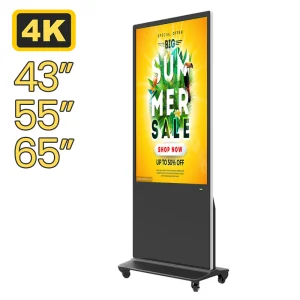
Portable, plug-and-play digital advertising posters tailored for retail store environments.
Entering international markets requires meeting strict safety and regulatory standards. All displays leaving our manufacturing centers carry relevant safety and electromagnetic compatibility (EMC) certifications to ensure trouble-free installation worldwide.
Fully certified under EMC Class A/Class B and FCC rules. This prevents our screens from interfering with broadcast equipment, wireless communications, or stadium sound systems during live events.
Units carry CE, RoHS, and ETL listings, proving compliance with European and North American fire safety, hazardous material, and electrical hazard guidelines.
We back our products with technical support, providing quick spare parts delivery, module replacement guides, and on-site engineering assistance for large arena projects.
Expert answers addressing structural design, safety rules, and import considerations for stadium display panels.
Standard outdoor displays use rigid plastic masks that can shatter or injure players upon impact. In contrast, specialized perimeter screens feature a flexible rubber mask and a top-mounted foam cushion. This setup protects the LEDs from hard impacts and helps prevent injury if an athlete collides with the board.
Broadcasting cameras capture footage at high speeds. If a screen's refresh rate falls below 3840Hz, flickering or scan lines can appear on TV broadcasts, making sponsor logos hard to read. We utilize high-refresh driver ICs (reaching 3840Hz to 7680Hz) to ensure smooth, clear playback on both television broadcasts and mobile screens.
Over time, different LED diodes degrade at slightly different rates, causing colors to drift and look uneven. Pixel-level calibration adjustments correct each pixel's color and brightness individually. This keeps the entire screen looking uniform and helps extend the usable life of the system by up to 30%.
Shenzhen serves as the global hub for LED manufacturing, offering direct access to the entire supply chain. Buying directly from our facility reduces intermediary costs and shortens transit times. Additionally, it ensures that your displays undergo comprehensive testing—including AOI and 72-hour burn-in procedures—prior to dispatch.
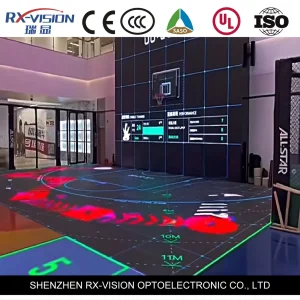
From flexible stage screens to interactive floor tiles and high-resolution indoor video walls, explore our full product range.
 Xiguang Display