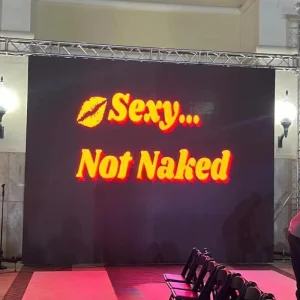
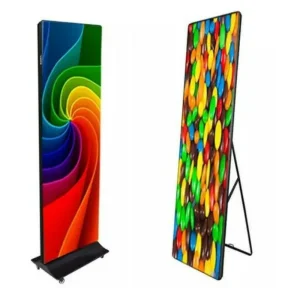
Select, factory-direct display solutions engineered for high performance, maximum reliability, and advanced commercial installations.
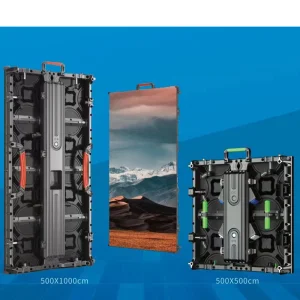
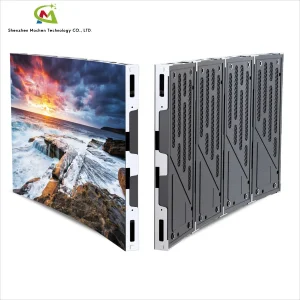
The professional display market is undergoing a paradigm shift. High-definition LED video walls have evolved beyond simple digital signage into mission-critical assets for control centers, experiential retail environment installations, broadcast studios, and corporate headquarters worldwide.
In terms of technical layout, the migration from traditional surface-mount device (SMD) packaging to COB (Chip-on-Board) and integrated flip-chip packaging architectures represents a monumental jump in reliability and performance. Modern display pipelines demand ultra-low pixel pitches (sub-1mm ranges such as P0.9 and P1.2), high dynamic range (HDR) profiles, low power consumption, and thermal resilience. As companies design their physical footprint for the hybrid era, seamless high-definition display integrations serve as the central visual conduit.
Unlike LCD panels with distracting physical bezels that disrupt image continuity, high-definition LED displays utilize modular tiles to build completely bezel-free digital canvases of any size or aspect ratio. Combined with superior brightness (often exceeding 1,000 nits for indoor and 5,000 nits for outdoor) and superior contrast levels, they offer unmatched visibility in environments with high ambient light.
Understating these advancements helps project planners and procurement teams future-proof their visual infrastructure investments.
Direct bonding of chips to the substrate eliminates wire bonds, ensuring 10x higher reliability (MTBF) and wider viewing angles.
The industry is rapidly standardizing sub-1.2mm pitches for boardrooms and control centers, rendering standard displays obsolete.
Common cathode power distribution routing cools running temperatures and lowers operational utility bills by up to 40%.
Integration with Unreal Engine camera tracking systems enables high-refresh rate physical rendering for movies and events.
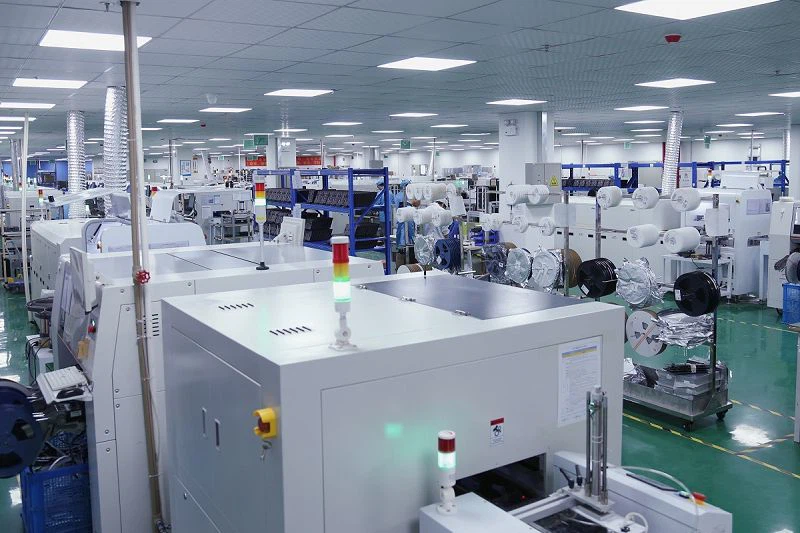
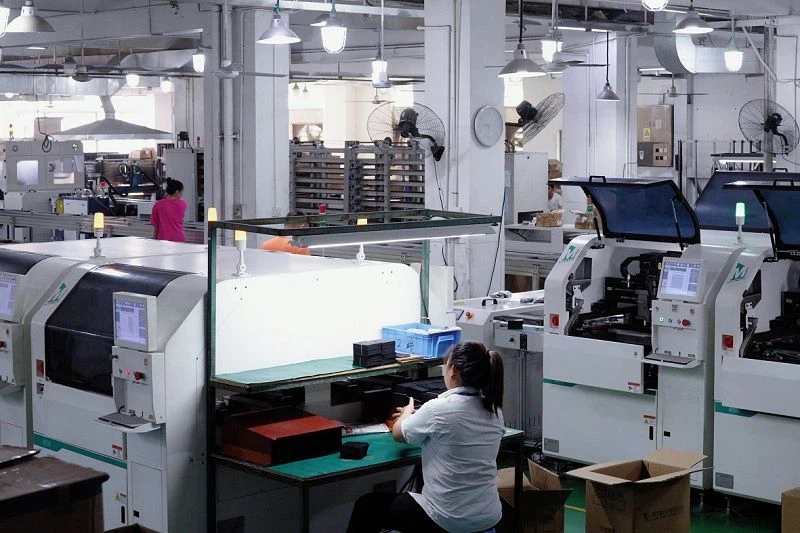
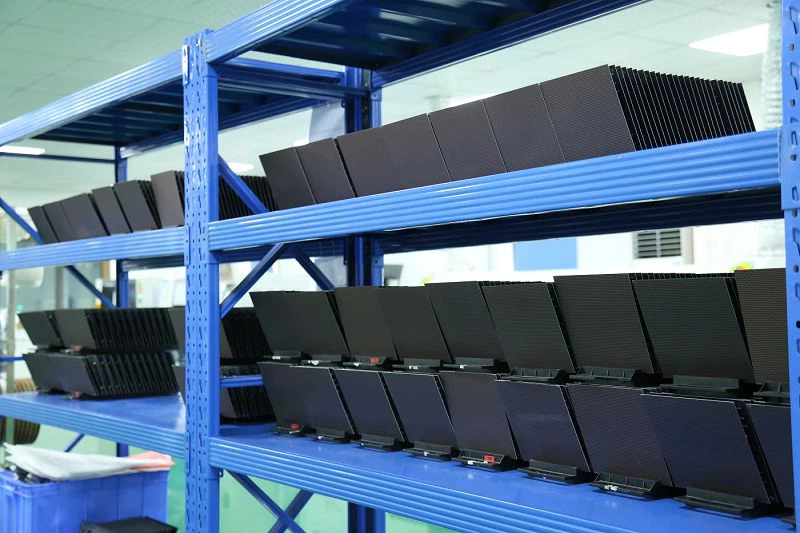
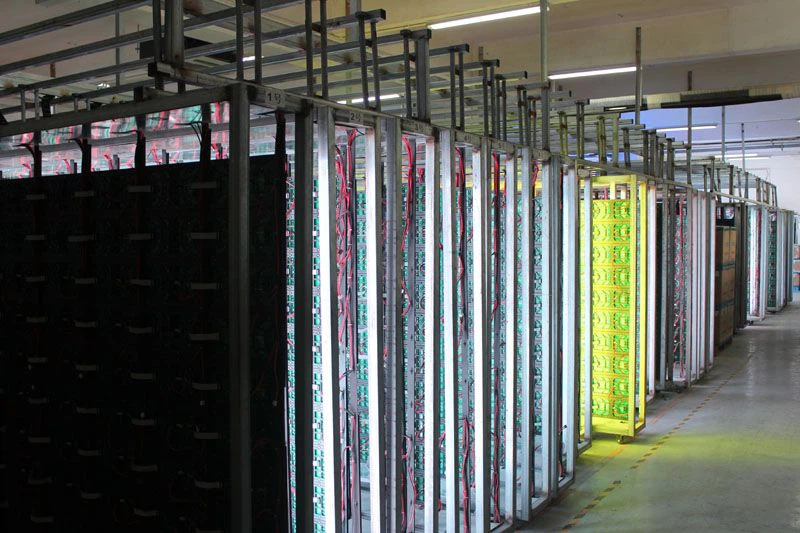
In the global supply market, Chinese LED factories (specifically concentrated in Shenzhen and Xiamen high-tech industrial parks) have transitioned from simple high-volume assembly units to automated smart-manufacturing hubs. By adopting Industry 4.0 workflows, factories run advanced high-speed surface mount technology (SMT) lines, robotic optical alignment sensors, and customized manufacturing execution systems (MES).
This supply chain resilience allows manufacturers to offer industry-leading lead times (often 1-10 workdays) while running complex, multi-stage testing processes designed to survive harsh logistics routes. Raw materials undergo automated optical inspection (AOI) checking before moving onto thermal cycling chambers that cycle units from -30°C to 60°C to test physical stress resilience.
Deep dive into the operational capacity and quality philosophies of key industry innovators.
LUMIVIS began over two decades ago as a specialized development operation and has since expanded into a premier global LED supplier. Catering to custom commercial systems, the company provides 100% bespoke engineering. Whether adjust pixel-level brightness metrics, selecting premium lamp bead compounds (Nichia, Nationstar, etc.), or designing custom enclosure frames, LUMIVIS converts client visions into high-performing hardware assets.
With a 30,000㎡ monthly production capacity, LUMIVIS easily manages both massive volume requests and highly customized boutique rollouts. They offer a comprehensive system configuration covering standard pixel densities up to advanced custom setups.
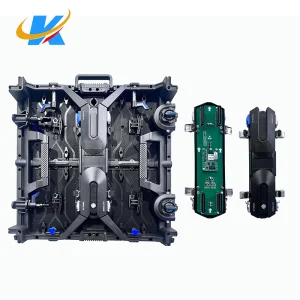
Sharing a deep industrial history dating back to 2003, Xiguang Display is based in the technological manufacturing center of Shenzhen. Dedicated to innovation and raw component quality, Xiguang focuses on integrating modular structures with cutting-edge drive boards. Their facilities run integrated manufacturing tracks that handle module assembly, structural cabinet fabrication, thermal profiling, and system calibration.
Xiguang supports 100% custom-fit layouts, providing end-to-end consulting for architects, interior designers, and industrial AV engineers to deploy durable visual displays.
An authoritative guide to parsing technical specifications when evaluating tier-1 manufacturers.
| Display Category | Common Pixel Pitch (mm) | Brightness Range (nits) | Ideal Application Scenario | Core Technical Focus |
|---|---|---|---|---|
| COB Ultra-Fine Pitch | P0.9 - P1.56 | 600 - 1,200 | Command Centers, Boardrooms, Studios | High reliability, contrast ratio, dust/waterproof surface |
| Rental Indoor | P1.8 - P2.9 | 800 - 1,500 | Stage Productions, Concerts, Events | Lightweight die-cast cabinets, fast-lock setups |
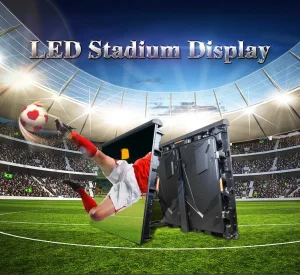
| Outdoor Advertising | P4.0 - P10.0 | 5,500 - 8,000 | OOH Billboards, Stadium Perimeter displays | IP65+ weatherproof, UV protection, high heat dissipation |
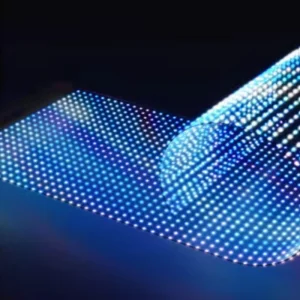
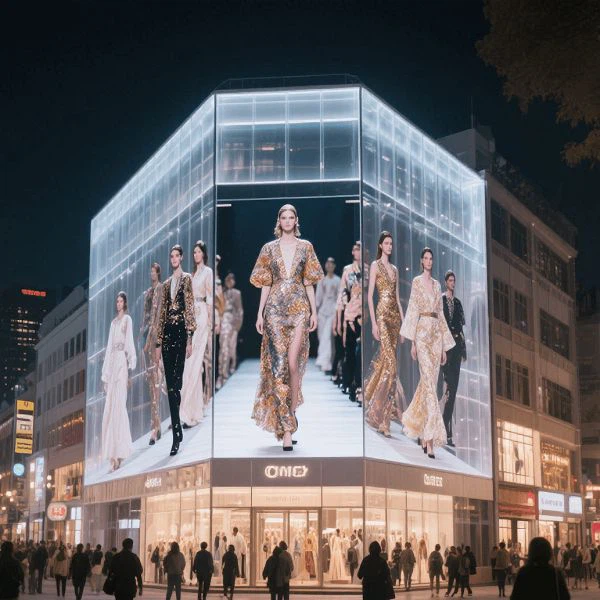
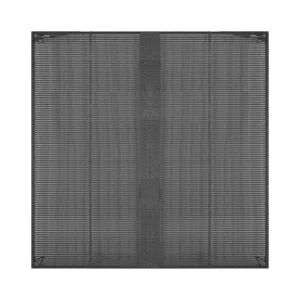
| Transparent Screen | P3.91 - P10.4 | 2,500 - 5,500 | Glass Facades, Retail Window Displays | Light transmission rate (up to 80%), low building weight impact |
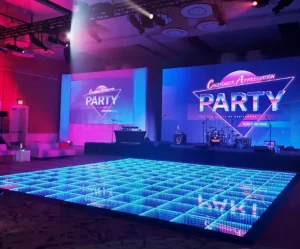
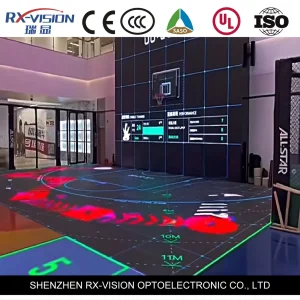
| LED Dance Floor | P2.9 - P3.91 | 1,000 - 2,500 | Interactive Stages, Interactive exhibits | Load-bearing structural design (>2,000kg/㎡), anti-slip surface |
From standard video walls to bespoke architectural digital systems.
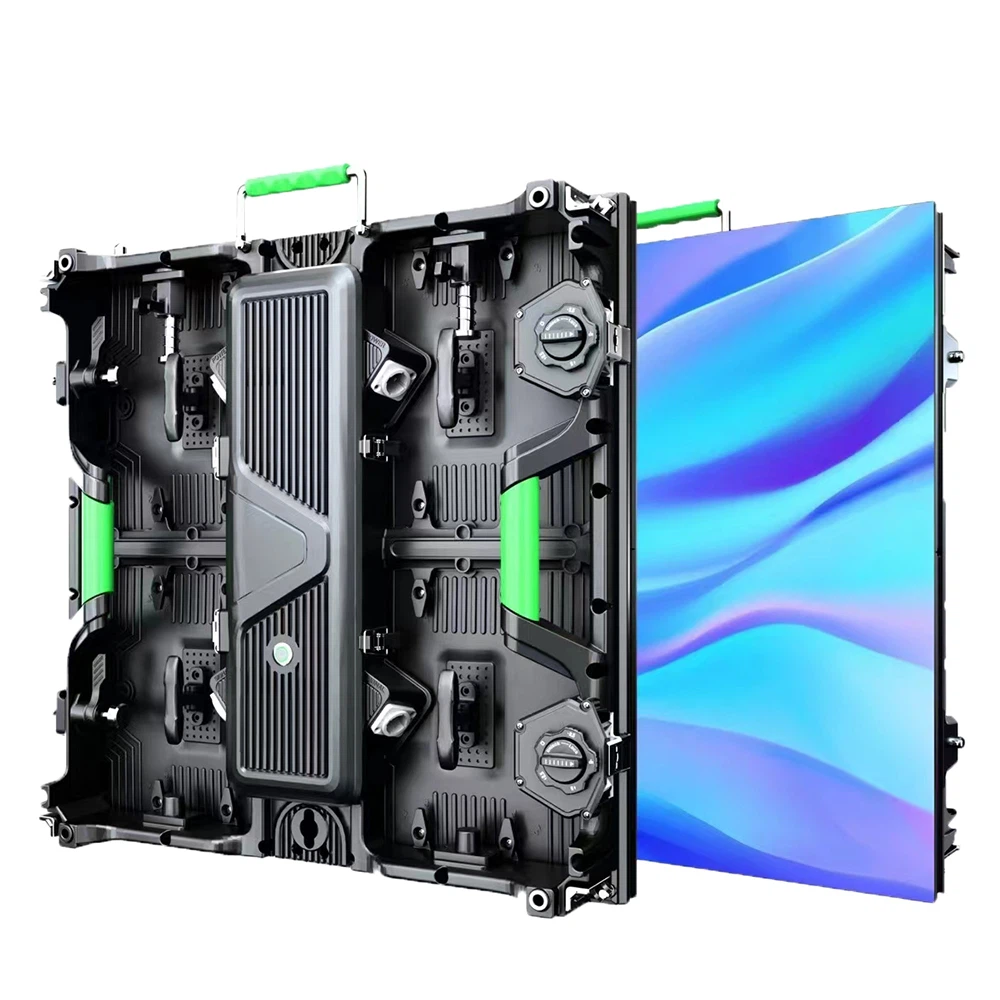
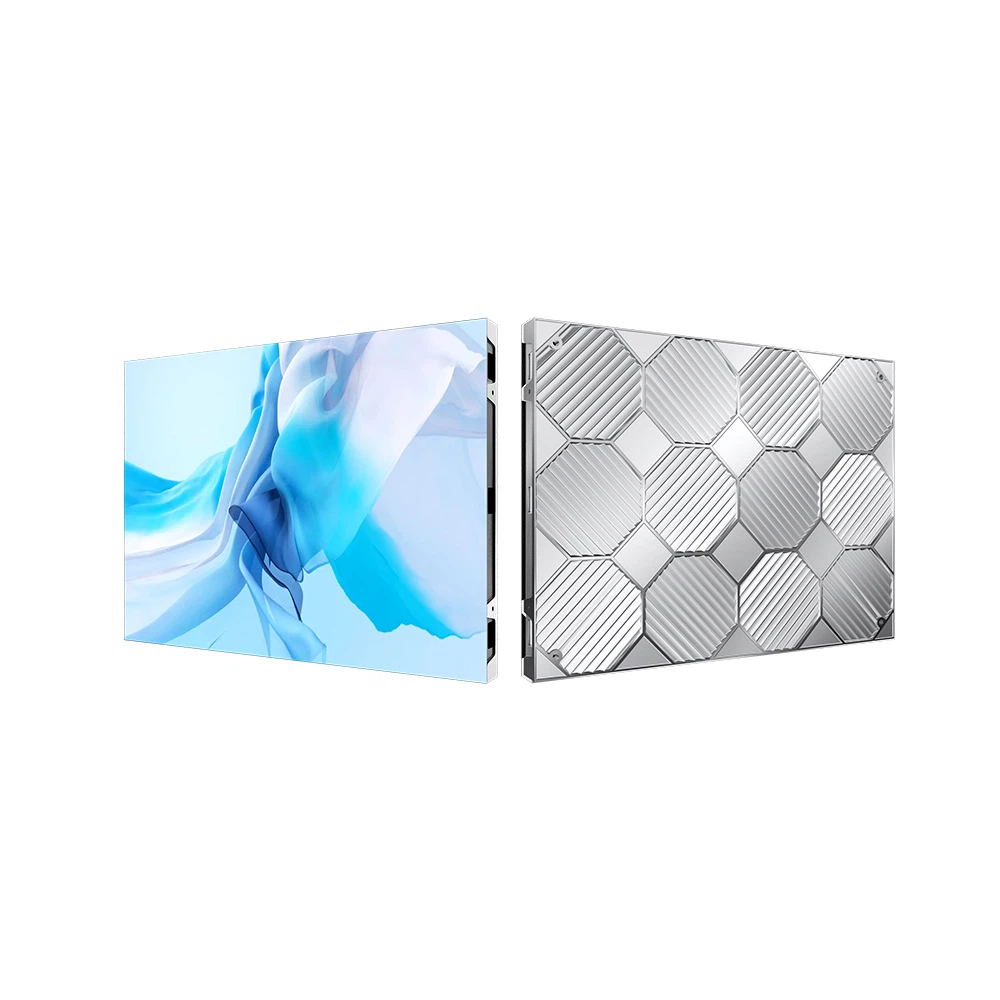
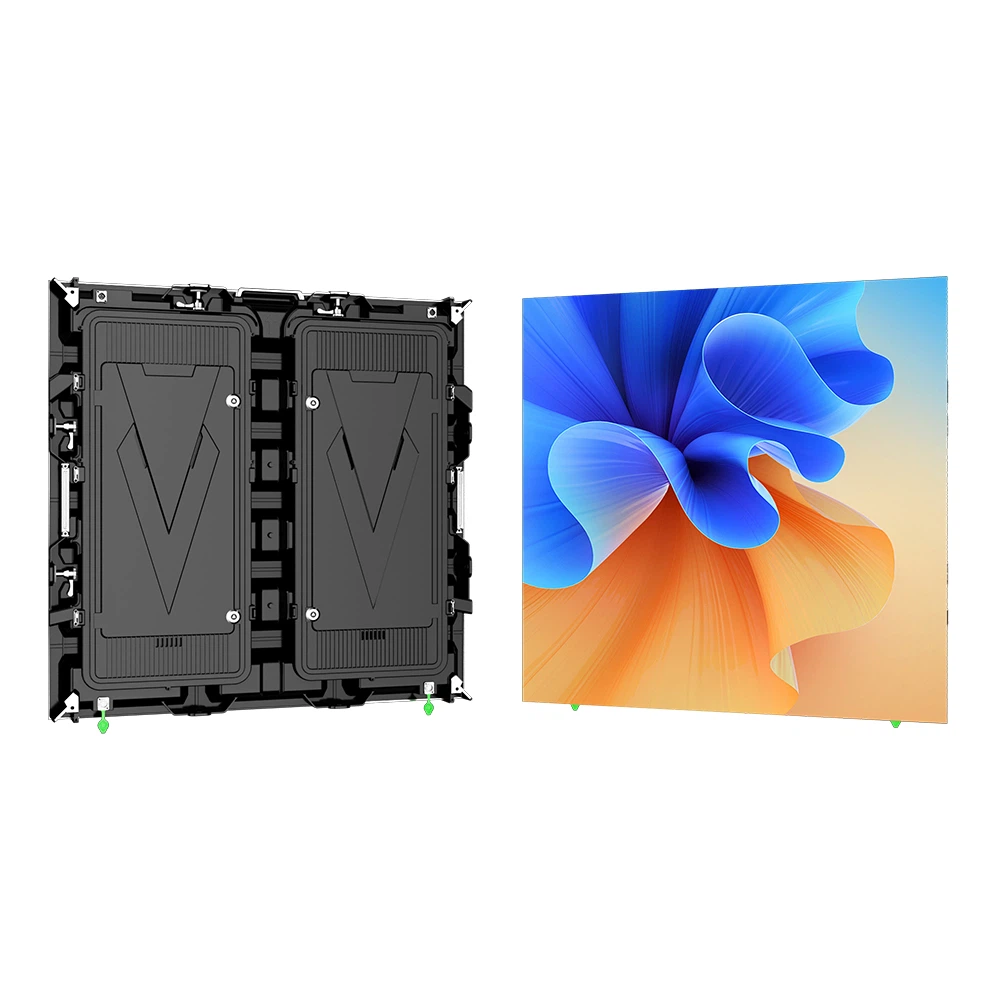
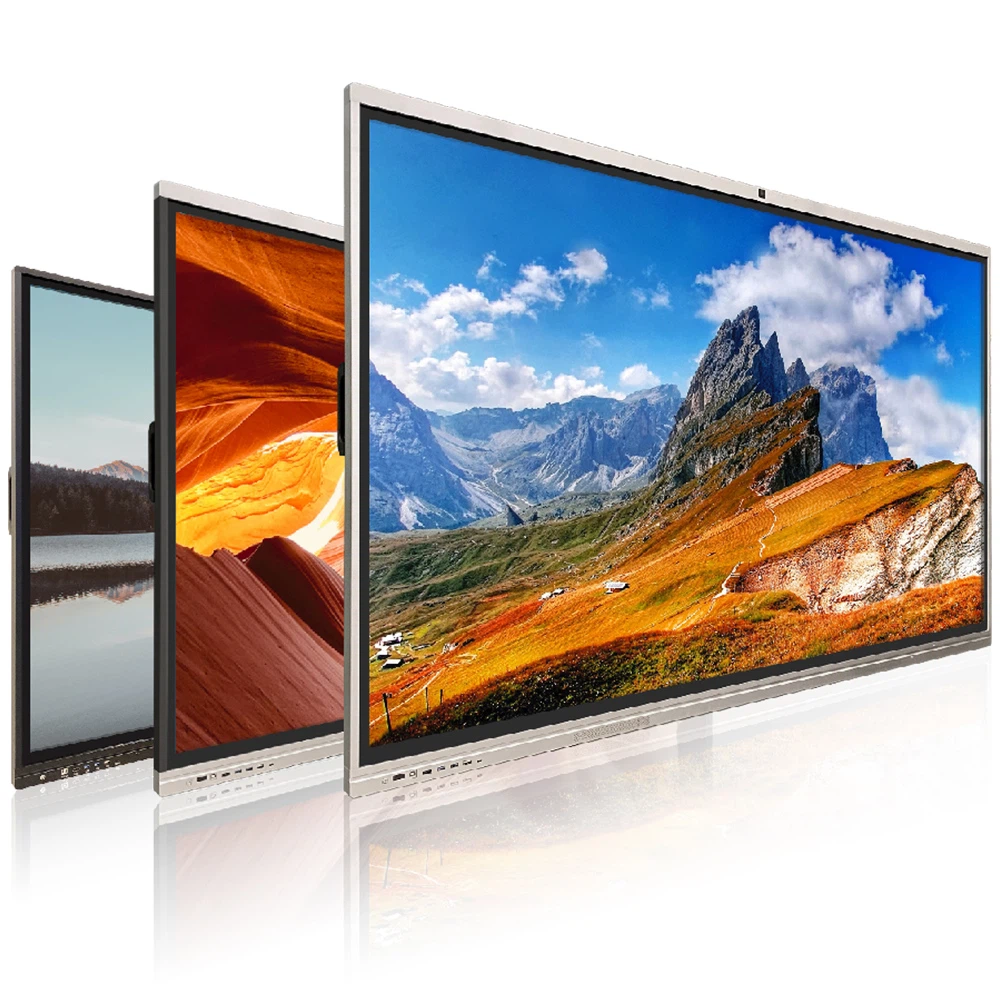
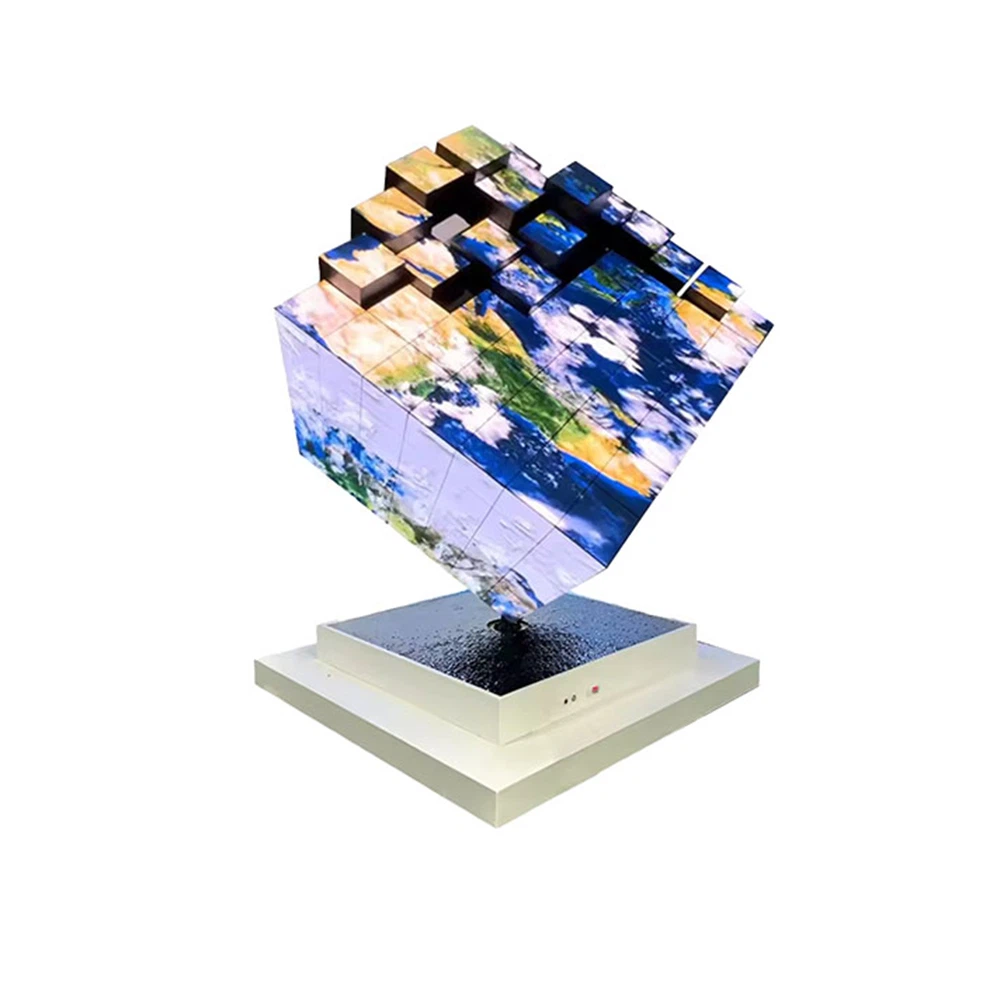
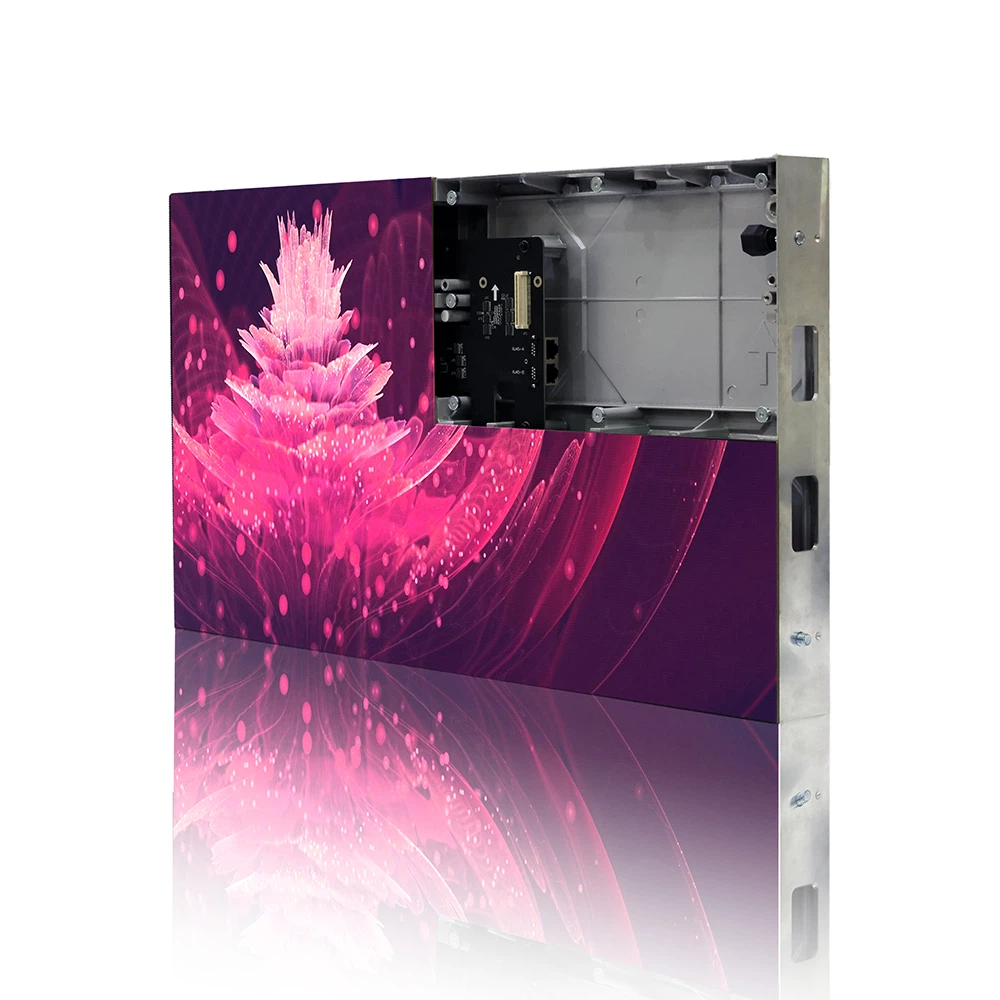
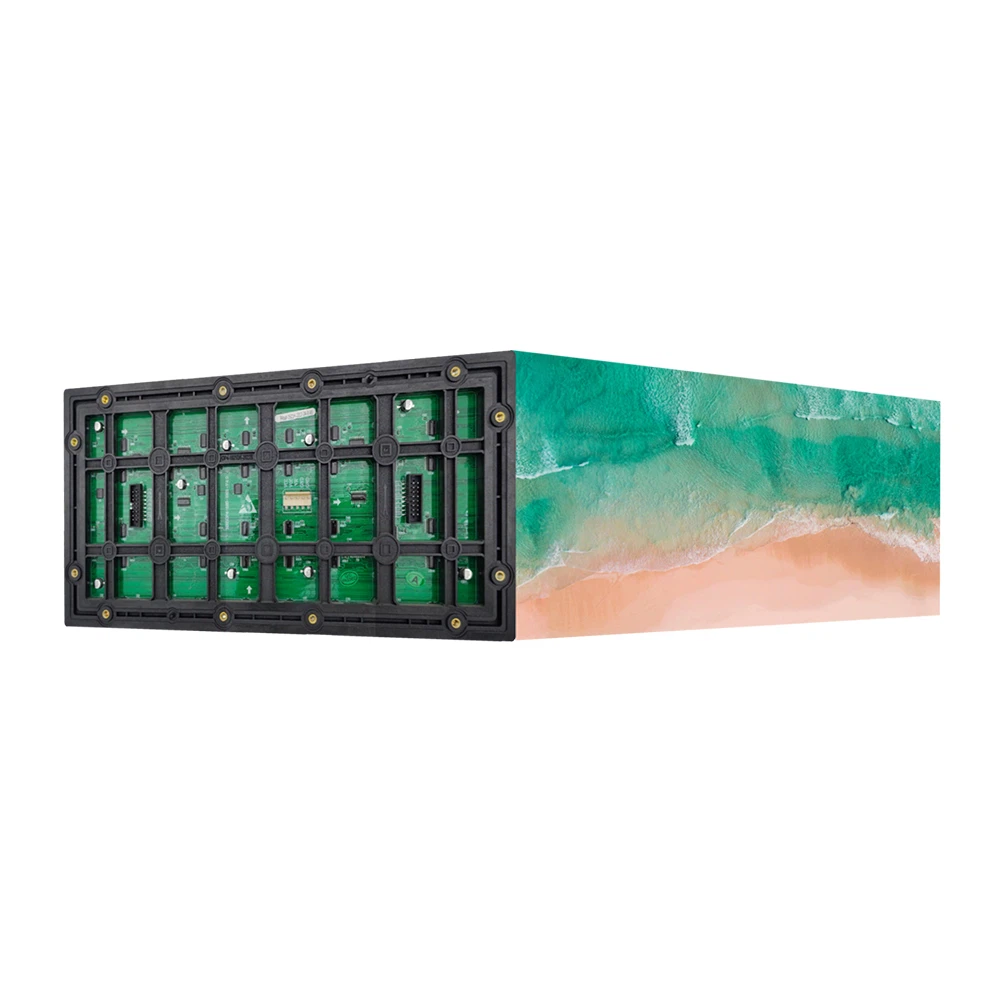
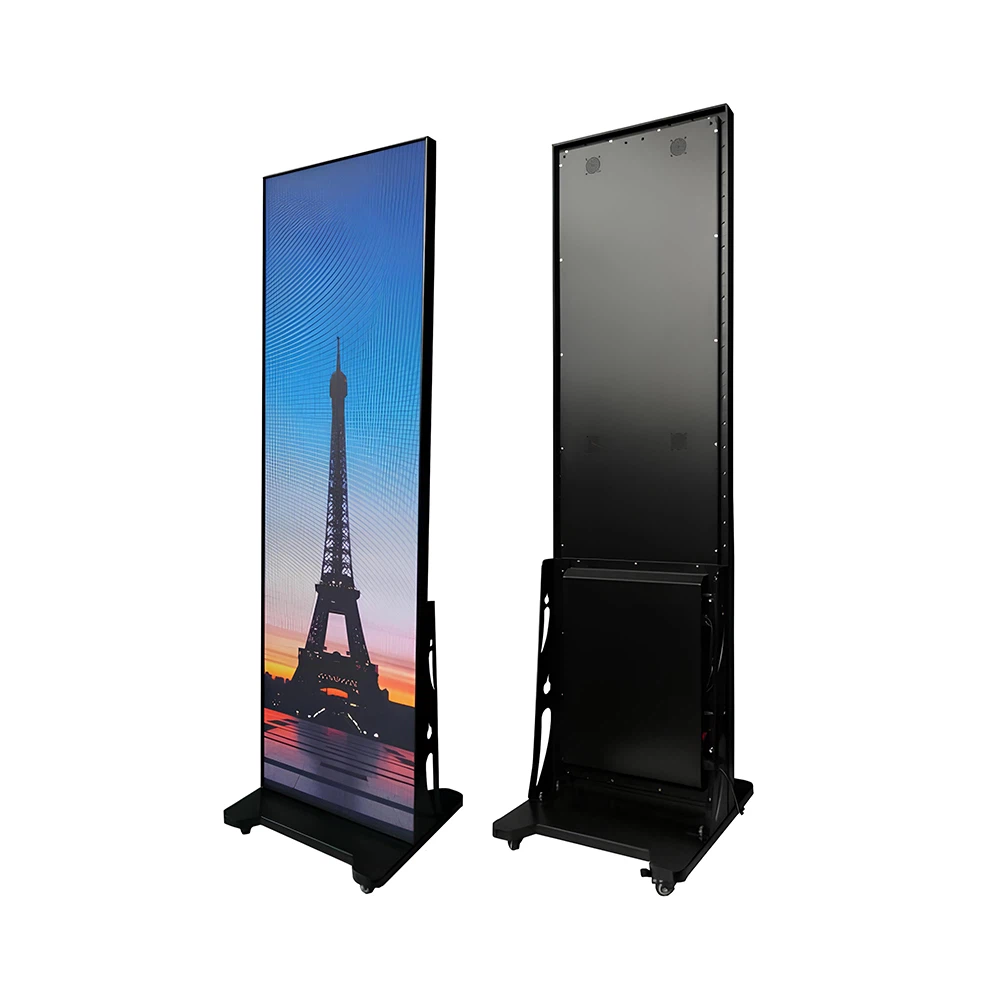
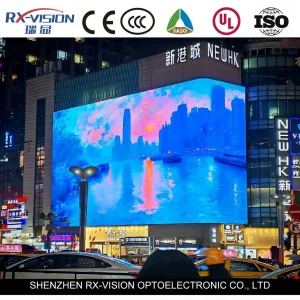
High-definition LED screens adapt dynamically to target environments. In commercial out-of-home advertising (OOH), high-brightness panels must compete with direct sunlight. Typical print billboards lack responsiveness, but digital displays allow operators to run day-parted programmatic advertising, instantly adjusting layout files or running real-time sports updates to catch passing crowds.
In interior settings, like corporate lobbies or command centers, high-definition tiles display critical data grids and financial charts without color distortion. When used in stage productions, high-refresh rates (typically ≥3,840Hz) prevent flicker or scan-line interference on broadcasting camera sensors, providing clean live broadcasts.
Expert technical answers to critical questions faced by AV directors, project managers, and global procurement teams.
A reliable industry standard is the 1-to-1.5 Rule: Multiply the pixel pitch in millimeters by 1 to 1.5 to get the optimal minimum viewing distance in meters. For example, a P1.5 display has an optimal minimum viewing distance of roughly 1.5 to 2.25 meters. If viewers sit closer, switch to fine-pitch COB displays (P0.9 or P1.2) to prevent pixelation.
SMD (Surface Mounted Device) places individual diode packages on a circuit board, which can break or fall off under physical stress. COB (Chip-on-Board) encapsulates raw semiconductor chips directly to the board substrate, sealing them with epoxy resin. This design makes COB displays highly impact-resistant, dustproof, and waterproof, while offering superior contrast and black levels.
Shenzhen and Xiamen house the world's most concentrated LED ecosystem. Sourcing from these regions gives you access to a mature component supply chain (covering driver ICs, power supplies, and brackets), lowering production costs. Furthermore, localized manufacturing clusters drive innovation and maintain strict quality standards, ensuring fast delivery windows (1-10 workdays) on custom orders.
Electronics failure curves show that semiconductors are most likely to fail within the first few hours of initial use (known as "infant mortality"). By running an continuous 72-hour aging test under fluctuating thermal and voltage profiles before shipping, manufacturers catch weak diodes, faulty solder joins, or defective drive boards, ensuring maximum reliability upon delivery.
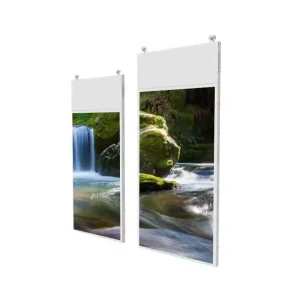
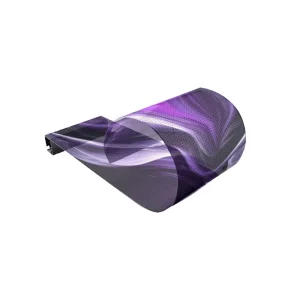
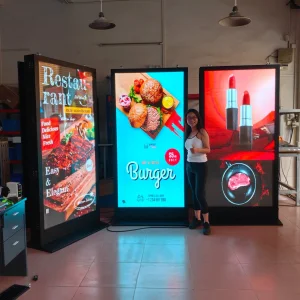
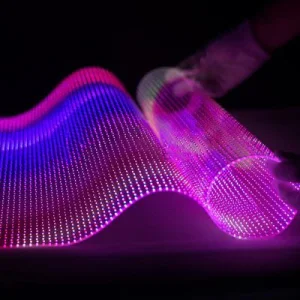
Advanced engineering configurations including transparent films, mobile advertising screens, and heavy-duty dance floors.
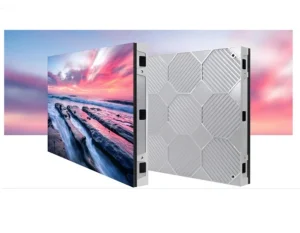
 Xiguang Display