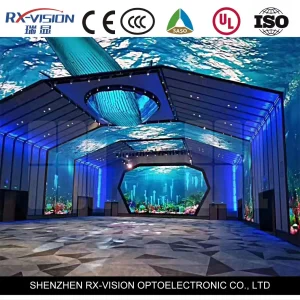
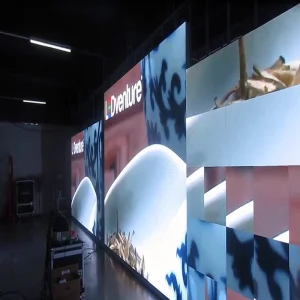
Explore our premium product portfolio designed for high brightness, structural resilience, and absolute visual clarity in public domains.
How Modern Digital-Out-Of-Home Screens are Transforming Industrial Public Spaces and High-Traffic Urban Environments.
The global Digital Out-of-Home (DOOH) advertising sector is undergoing a rapid, technology-driven paradigm shift. B2B media buyers, municipal planners, stadium architects, and retail operators are phasing out legacy static signage in favor of intelligent, ultra-high-definition, and programmatic-ready LED display screen video walls. As modern consumer attention becomes increasingly fragmented, the physical public space has emerged as a high-yield channel for high-impact visual communication.
According to market data, the transition to high-brightness, small-pixel-pitch LED screens yields a 400% increase in programmatic ad recall rates compared to static alternatives. To harness this potential, hardware must withstand harsh outdoor settings—ranging from direct tropical sunlight to sub-zero continental winters—while maintaining superb color fidelity, thermal efficiency, and brightness uniformity.
As an established industry leader, LUMIVIS (branded as Shenzhen Xiguang Display Electronic Technology Co., Ltd.) integrates vertical manufacturing with R&D, delivering end-to-end solutions that satisfy rigorous global standardizations. By leveraging Shenzhen's advanced electronics ecosystem, we design robust, high-performance visual arrays that optimize thermal efficiency, decrease energy usage, and elevate information delivery in high-impact environments.
Established in 2003 in Xiamen, China, LUMIVIS has spent over two decades at the forefront of the optical and LED manufacturing sector. Initially starting as a focused engineering assembly, our dedication to innovation and strict quality standards drove us to relocate our primary manufacturing facilities to Shenzhen, the global capital of LED display screen innovation and logistics.
Today, our factory is fully equipped to handle large-scale commercial deployments, special structural architectures, and custom boutique projects. Our client partnerships are structured on mutual success, combining premium engineering with highly competitive B2B factory pricing.
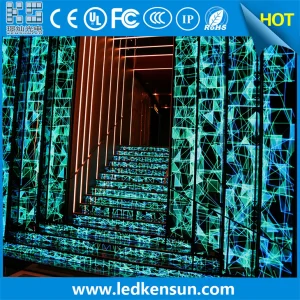
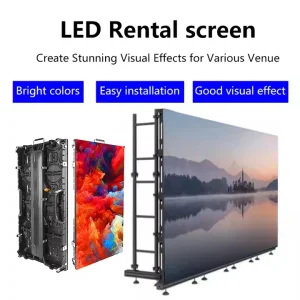
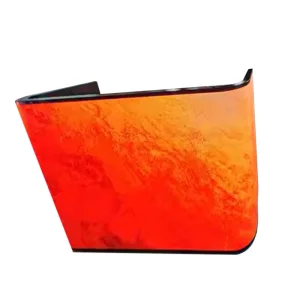
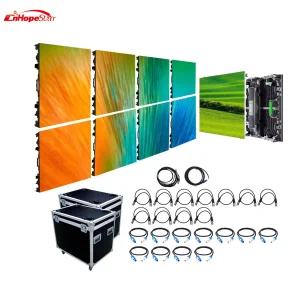
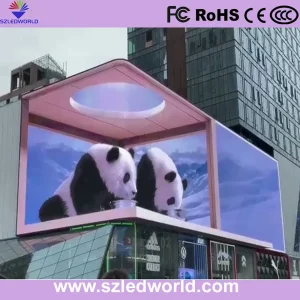
Every project is unique. Our core value is 100% custom tailoring. Whether optimizing brightness levels for direct tropical sunlight, selecting custom LED chip packaging (such as Nationstar or Kinglight), adjusting pixel pitches (ranging from fine P1.25 to outdoor P20 arrays), or creating complex structural geometric configurations (like 3D Cubes, curves, and flexible films), our engineering department transforms complex concepts into reliable visual displays.
China supplies over 85% of the world's LED display screens. Our strategic location in Shenzhen integrates us directly into the primary supply chain for advanced PCB layouts, high-reliability IC drivers, robust power supply systems, and quality control instruments. This enables unparalleled production speed, agile engineering customizability, and immense cost advantages.
An in-depth look inside the Xiguang / LUMIVIS modern manufacturing center.
Our facility runs multiple high-speed SMT assembly lines, offering a monthly capacity of up to 30,000 square meters of LED modules. This volume ensures we scale production quickly for stadiums, commercial plazas, and large events.
Leveraging lean production methodologies and deep raw material inventory, we deliver standard orders in 1 to 10 workdays, giving our clients a competitive speed-to-market advantage.
Every product undergoes a strict, continuous 72-hour burn-in stress test. We monitor thermal output, pixel consistency, driver IC stability, and power supply loads prior to final crating.
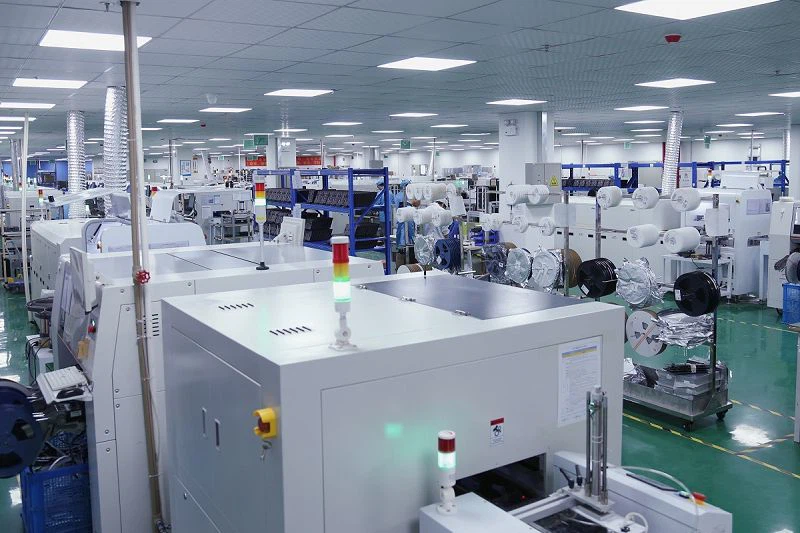
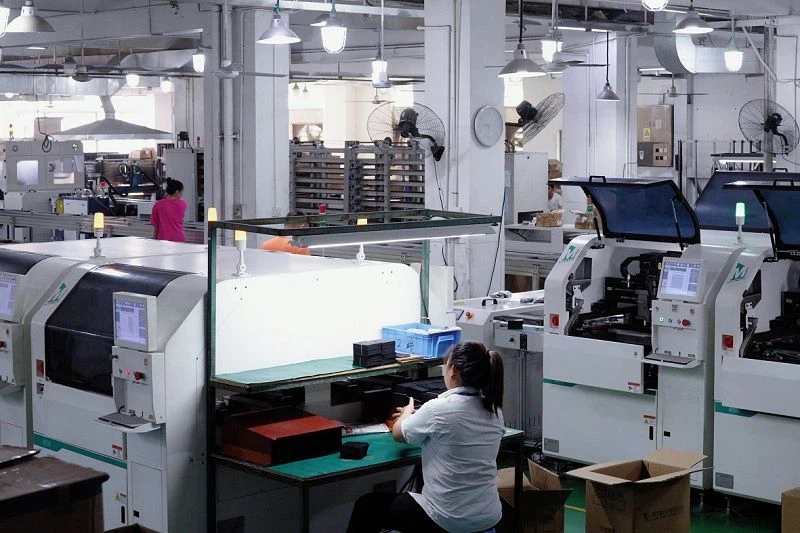
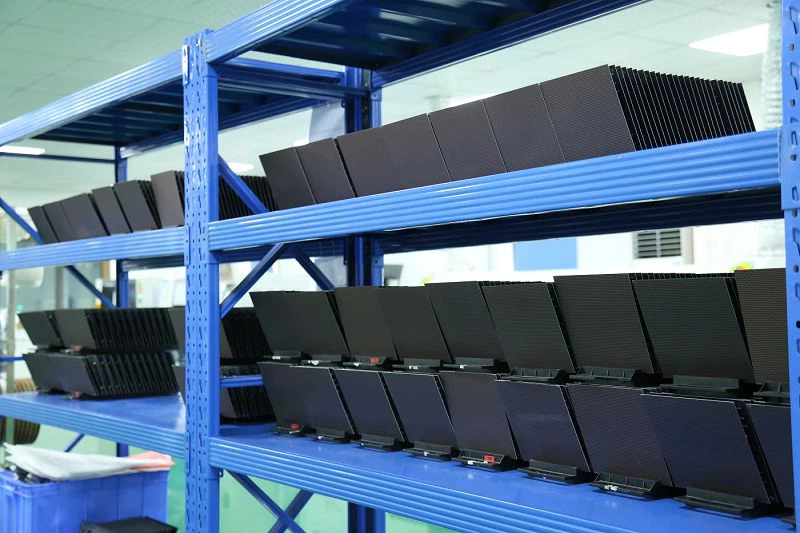
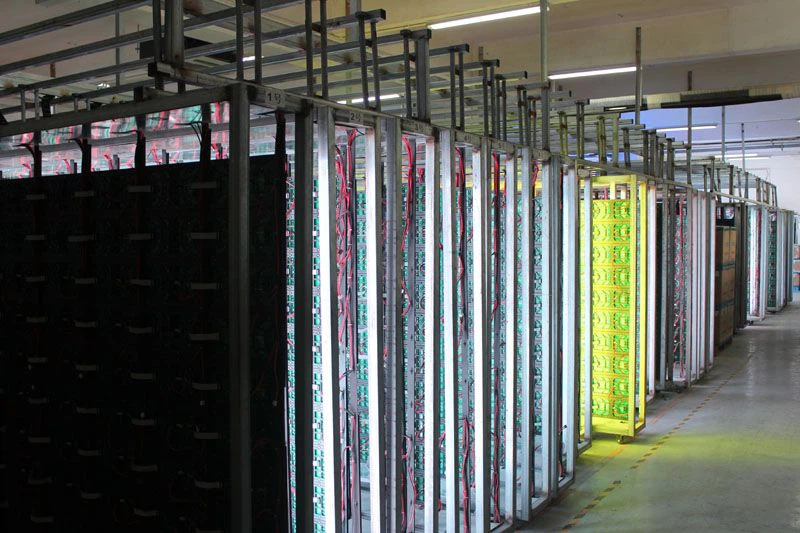
Our quality assurance framework starts with meticulous raw material sourcing and proceeds through every phase of assembly:
Engineering customized visual configurations for indoor, outdoor, structural, and artistic applications.
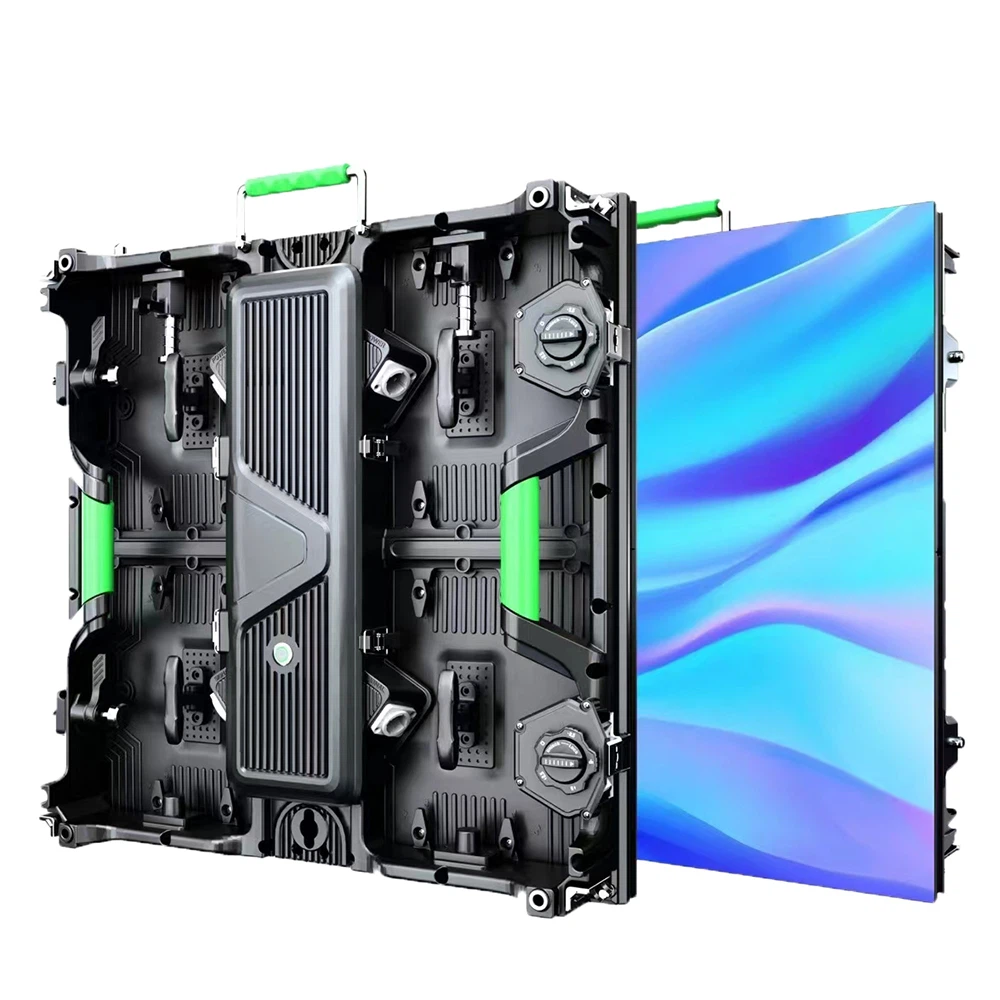
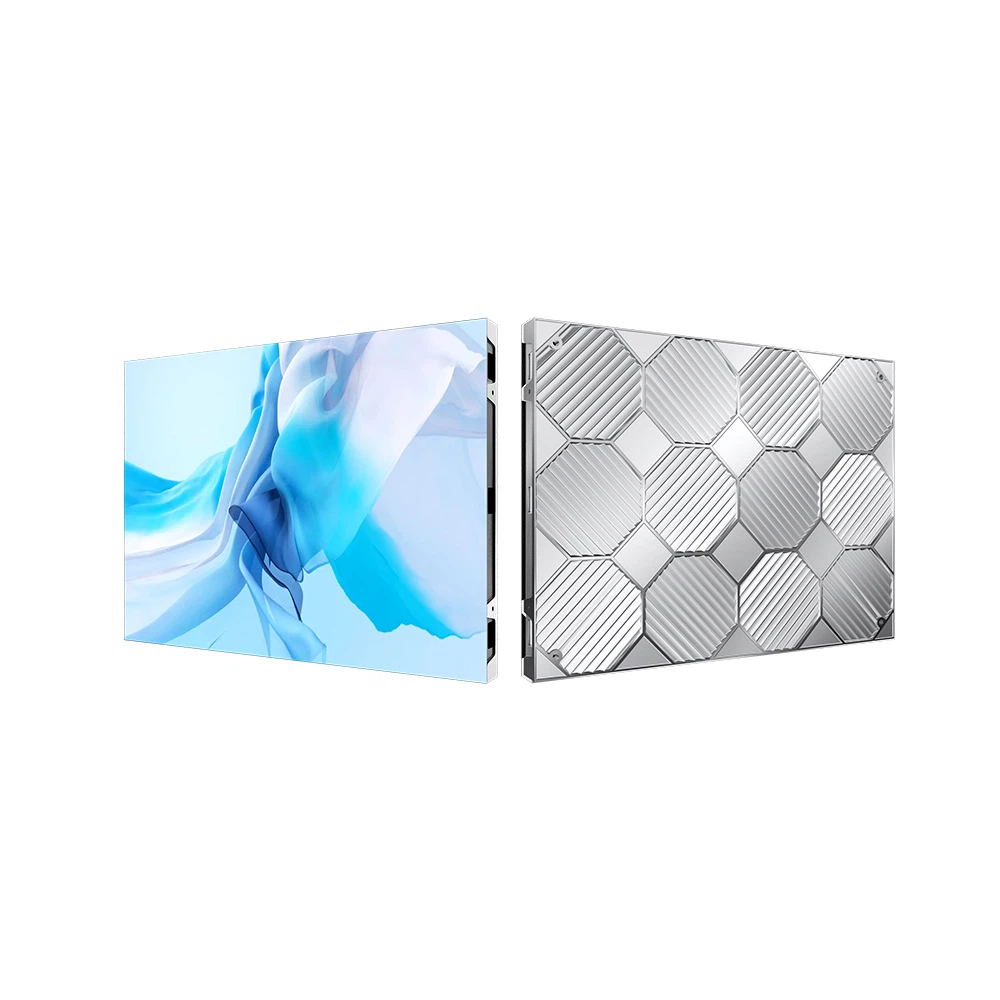
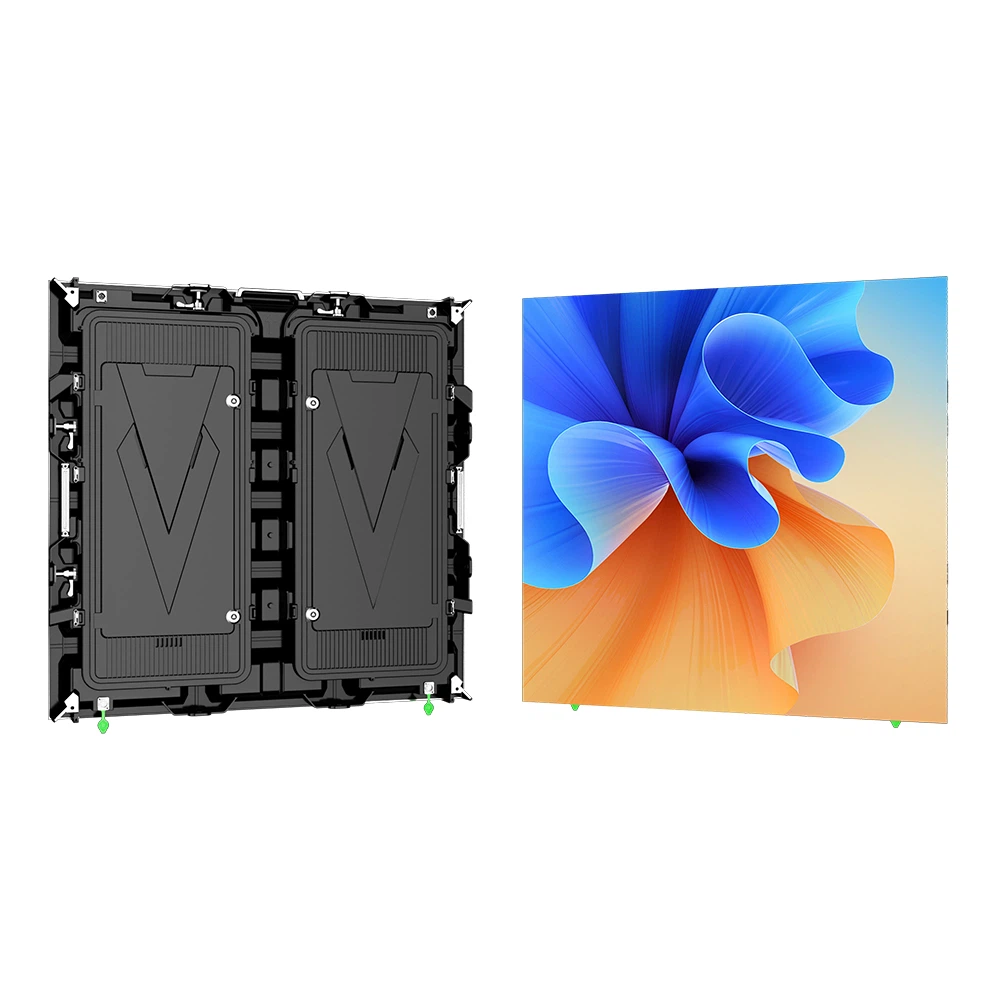
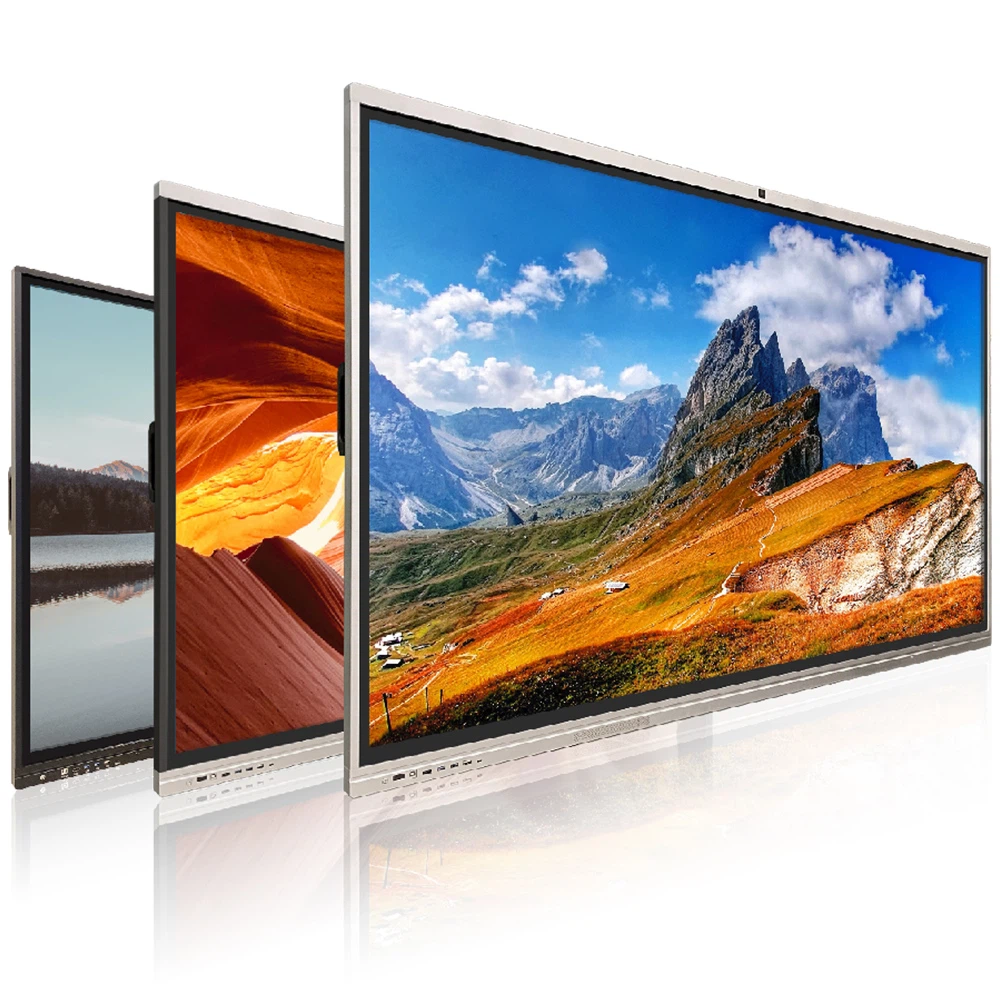
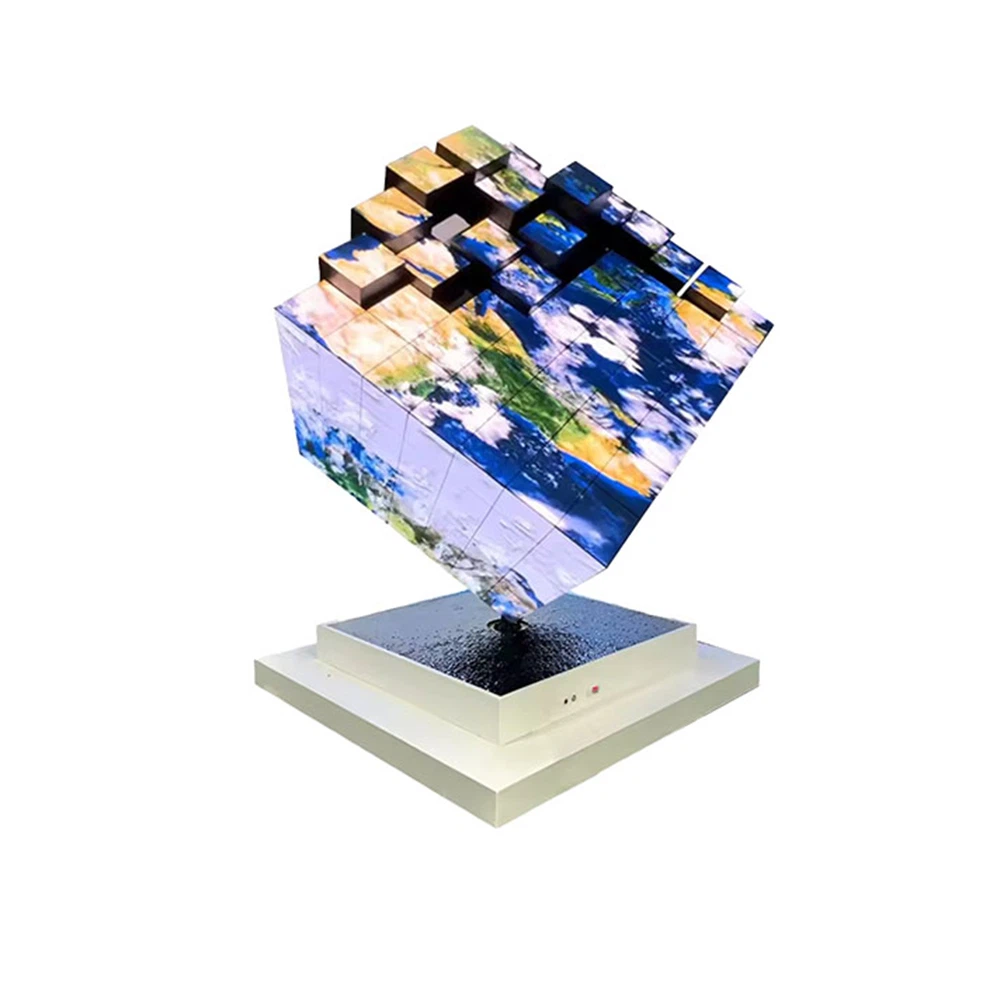
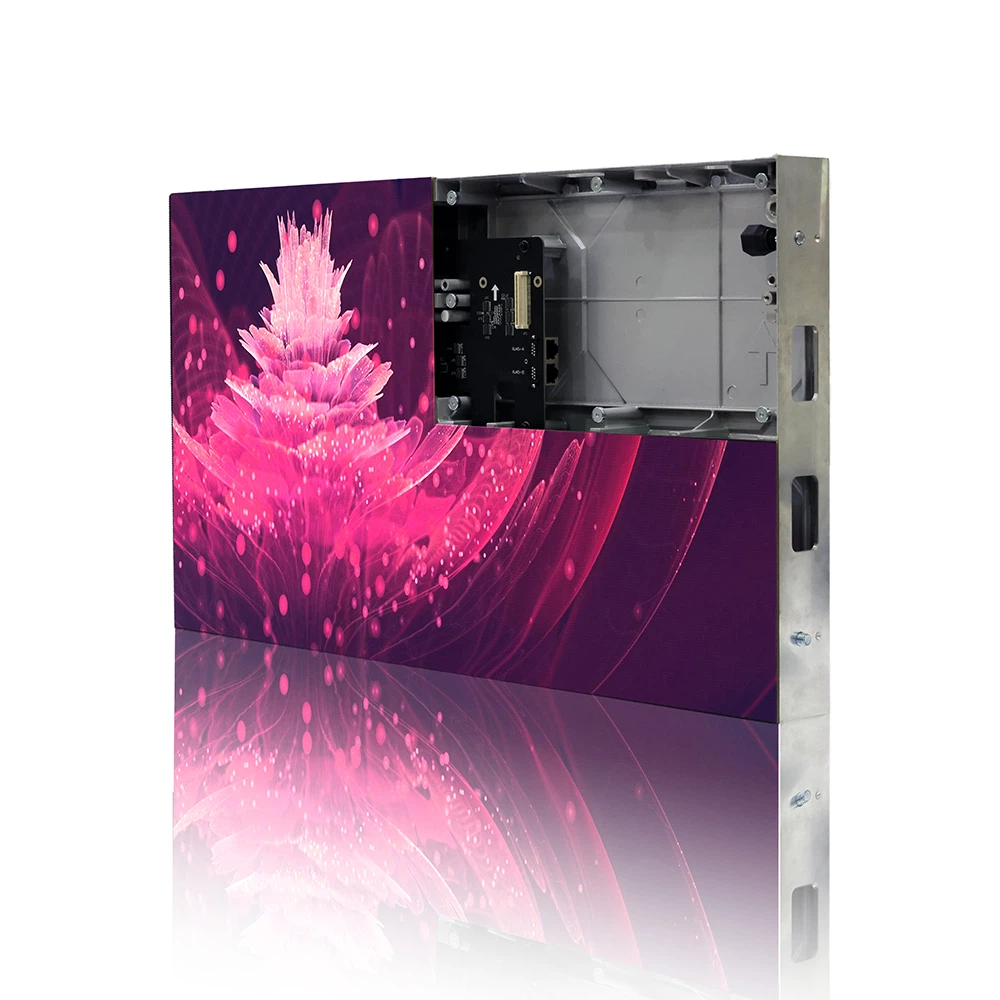
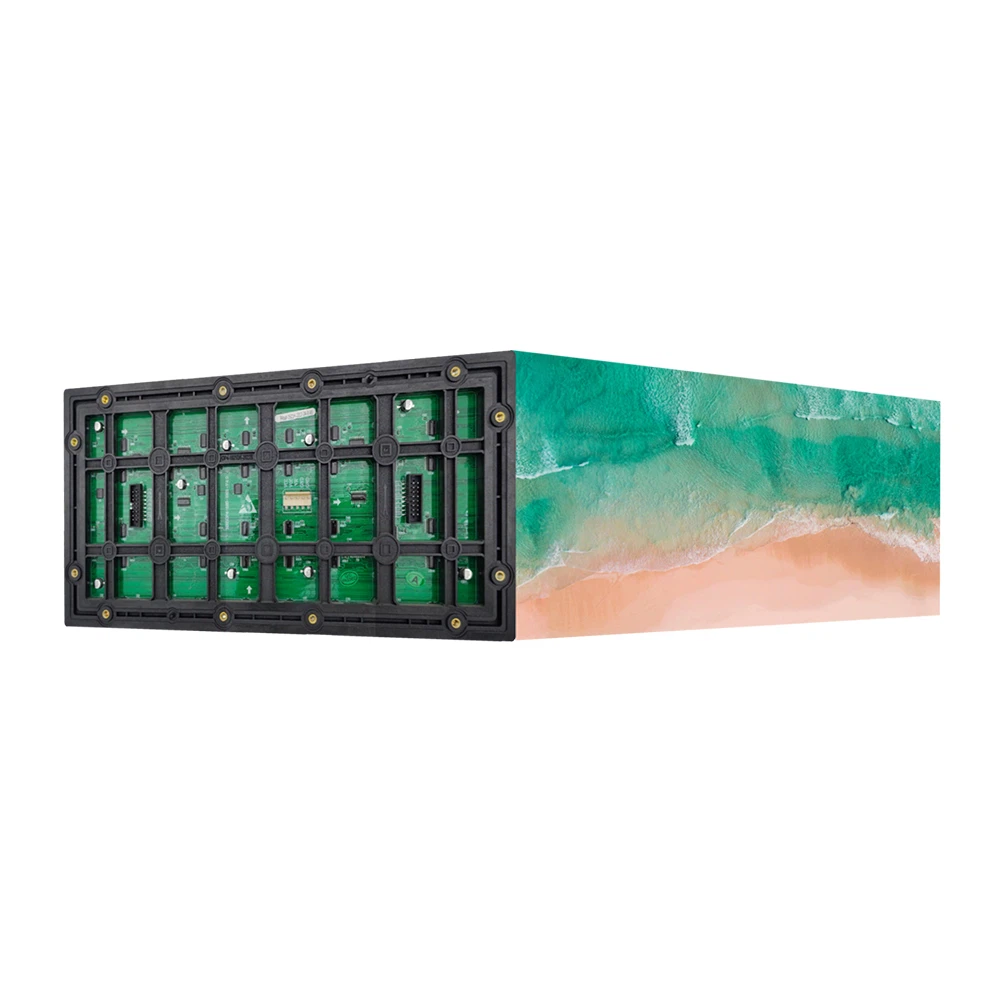
At Xiguang, we invest significantly in emerging display technologies to ensure our product catalog remains future-proof. Key pathways in our design pipeline include:
How our screens perform reliably across different global settings and climates.
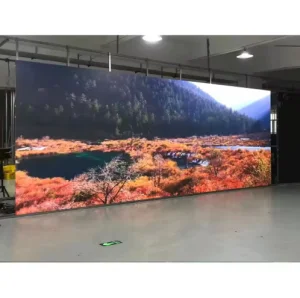
From airports to metro terminals, displays must run 24/7 with text readability at varying angles. Our high-contrast, fine-pitch indoor LED walls handle passenger schedules, flight paths, and programmatic ads seamlessly.
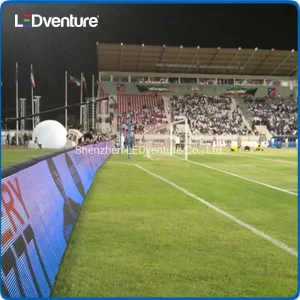
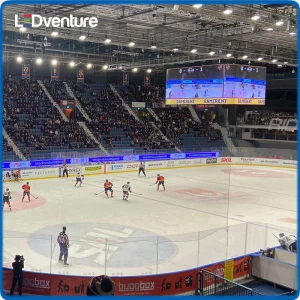
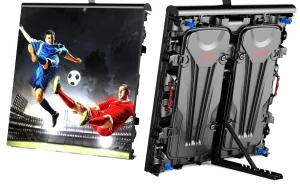
Stadium perimeter fencing and large scoreboards must resist physical impact and operate under shifting weather. Our IP65/IP66 rated outdoor scoreboard and stadium fence systems feature protective soft silicone masks to shield players and keep pixels safe from high-velocity impact.
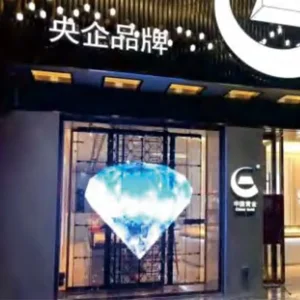
High-end retail displays demand sleek profiles, high color depth, and architectural integration. Our transparent LED glass film displays offer over 75% transparency, maintaining natural indoor light while projecting vibrant, high-impact visuals to the street.
Unlike traditional outdoor static media, digital billboards operate under diverse and fluctuating lighting. In direct mid-day sunlight, low-end screens appear washed out. Our outdoor high-brightness P20 and P4 displays deliver up to 8,000 nits of calibrated output. This ensures visual contrast and color clarity even under strong solar glare.
For wet climates, we utilize dual-sealing cabinet structures, conformal module coatings, and high-performance drainage channels to prevent water ingress and maintain electrical isolation under heavy rain.
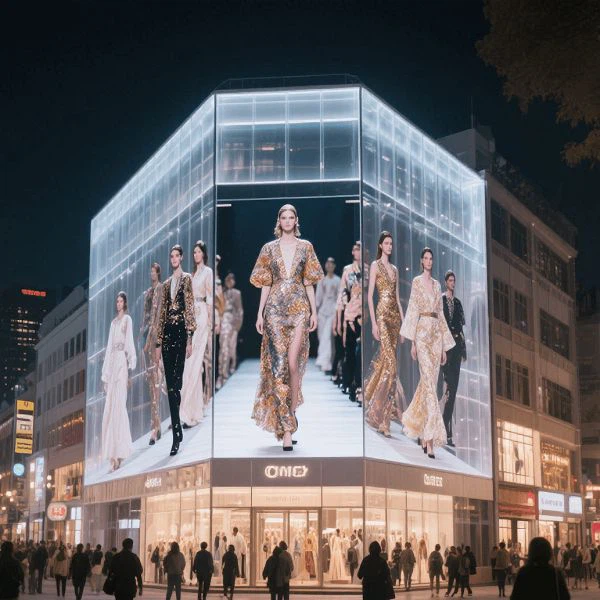
Ensuring smooth customs clearance, regulatory compliance, and post-installation technical support.
Procuring LED display screens from a China factory involves more than product quality. It requires seamless international shipping, meeting regional electrical and electromagnetic safety regulations, and establishing reliable post-installation support. At LUMIVIS, we simplify these processes:
Answers to key technical, logistical, and structural questions from B2B buyers and engineers.
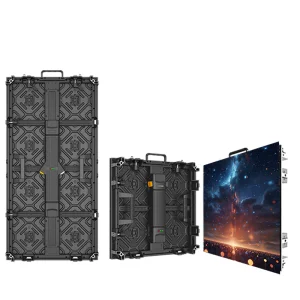
The pixel pitch (distance between LED centers) depends on the viewing distance. A simple rule is: Viewing Distance (in meters) = Pixel Pitch (in millimeters) x 1.0 to 1.5. For instance, a P4 screen is optimal for viewing from 4-6 meters away, while a P10 or P20 screen is suited for large freeway billboards viewed from 15+ meters away.
SMD (Surface Mount Device) solders individual LED packages to a PCB. COB (Chip-on-Board) attaches raw LED chips directly to the board, sealed with protective resin. COB offers superior pixel protection, wide viewing angles, and physical impact resistance, while SMD remains highly cost-effective and easy to service for modular screen swaps.
Our screens use power supplies rated for wide temperatures and temperature-controlled exhaust fans. In climates with temperatures below -30°C, we install system pre-heaters. In hot environments up to 60°C, custom aluminum cabinets provide passive heat dissipation to keep component temperatures safe.
Yes. 100% of our products support customization. We collaborate with architects and engineering contractors to manufacture custom steel frameworks, odd-angled cabinet junctions, rounded displays, transparent screen backings, and customized brand logos.
We offer FOB Shenzhen, CIF, DAP, and DDP delivery terms. Payments are typically structured via T/T bank transfers (30% deposit to initiate production, 70% balance paid prior to shipping after receiving photos and test videos of the finished system).
Semiconductors exhibit the highest failure rates during their initial operational hours. Running screens continuously for 72 hours under variable diagnostic patterns allows us to identify and replace weak components, keeping field failures near zero.
Advanced digital interfaces and structural LED solutions for retail, events, and stadium displays.
 Xiguang Display