Precision engineered LED display solutions designed for ultimate clarity, architectural structural integrity, and maximum environmental tolerance.
Analyzing market capitalization, urban infrastructure integration, and programmatic DOOH (pDOOH) requirements.
The global Digital Out Of Home (DOOH) LED display market is experiencing an unprecedented structural transformation. Driven by smart city initiatives, public transit expansions, and the programmatic purchasing of outdoor media inventory (pDOOH), today's hardware must satisfy complex multi-dimensional specifications. Unlike legacy billboards, DOOH screens serve as visual data hubs in dynamic metropolitan environments, requiring 24/7 uptime, smart environmental sensory integration, and consistent color performance under varying solar irradiation levels.
"Modern DOOH networks are no longer passive displays; they are interactive, real-time programmatic endpoints integrated directly into urban IoT structures."
DOOH screens are deployed in core communication hubs, requiring compliance with various global safety and electromagnetic compatibility standards (EMC Class A/B, CE, FCC, UL, and RoHS).
Critical operating variables: automated thermoregulation, wind resistance engineering, active remote diagnostics, and smart pixel-level error correction protocols.
Advanced media platforms support HDR10+, variable frame rate sync, and AI-driven audience metering analytics for dynamic content optimization.
Understanding SMD, COB, Flip-chip engineering, and energy efficiency parameters.
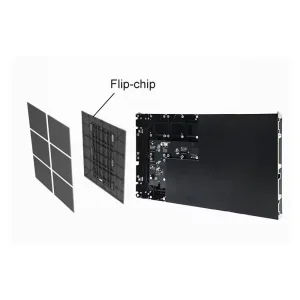
The technical foundation of DOOH LED displays has shifted from standard SMD (Surface Mounted Device) technology to high-density COB (Chip-on-Board) and micro-LED visual architectures. For urban display networks, these advancements yield substantial operating efficiencies:
Direct bonding of LED chips to the PCB substrate eliminates intermediate packaging wires, improving structural reliability, reducing dead pixel rates (<10 PPM), and providing physical protection against moisture, dust, and mechanical impacts.
Standard displays use common anode distribution, which wastes energy as heat. Common cathode technology routes separate, regulated voltages to Red (2.8V) and Green/Blue (3.8V) diodes, reducing energy consumption and operating temperatures by up to 35%.
With refresh frequencies reaching up to 7680Hz and grayscale processing driving up to 16-bit color depth, modern displays prevent flicker on mobile cameras, maintaining high visual fidelity in broadcast environments.
LUMIVIS & Shenzhen Xiguang Display Electronic Technology Co., Ltd. - Driving DOOH Innovation Since 2003.
Established in 2003 in Xiamen, China, LUMIVIS (fully integrated with Shenzhen Xiguang Display Electronic Technology Co., Ltd.) has engineered LED display solutions for over two decades. The enterprise has grown from a specialized local engineering provider into an internationally recognized manufacturer, shipping reliable visual systems worldwide.
The company specializes in full display customization, providing clients with flexible control over pixel configurations, thermal architectures, structural formats, and driver IC specifications. By matching customized designs with scalable manufacturing, the group meets the strict project requirements of global digital agencies and outdoor media operators.
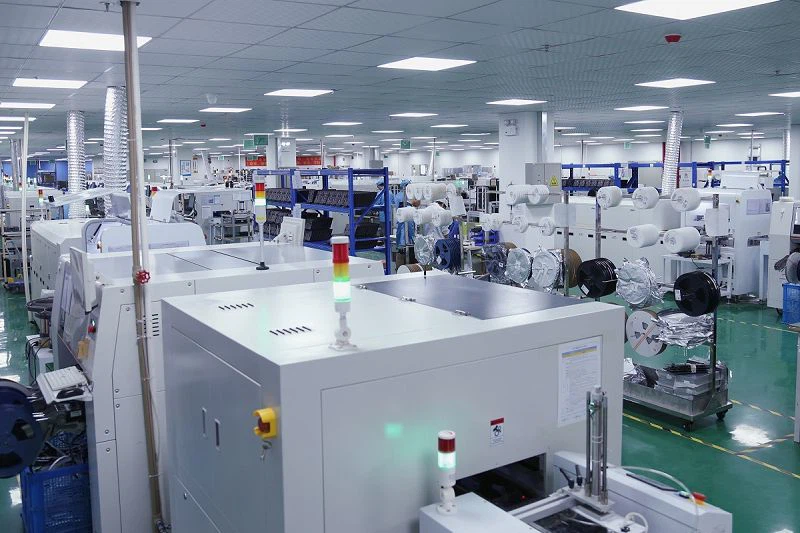
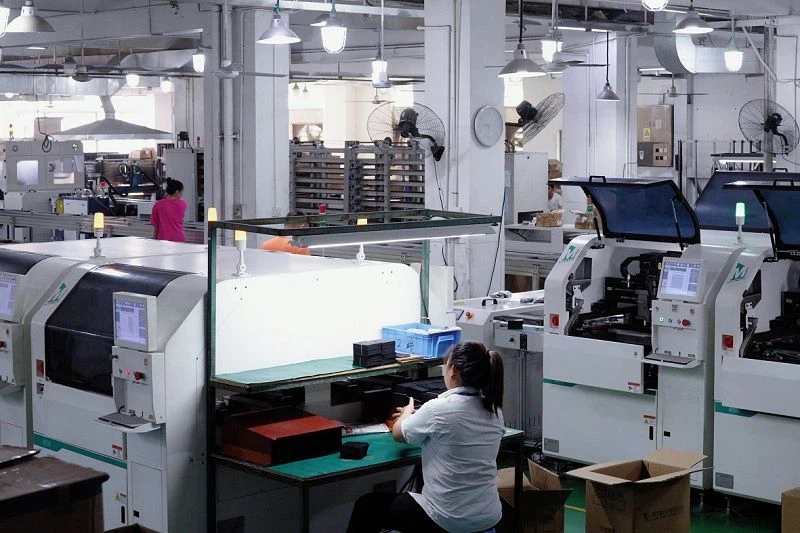
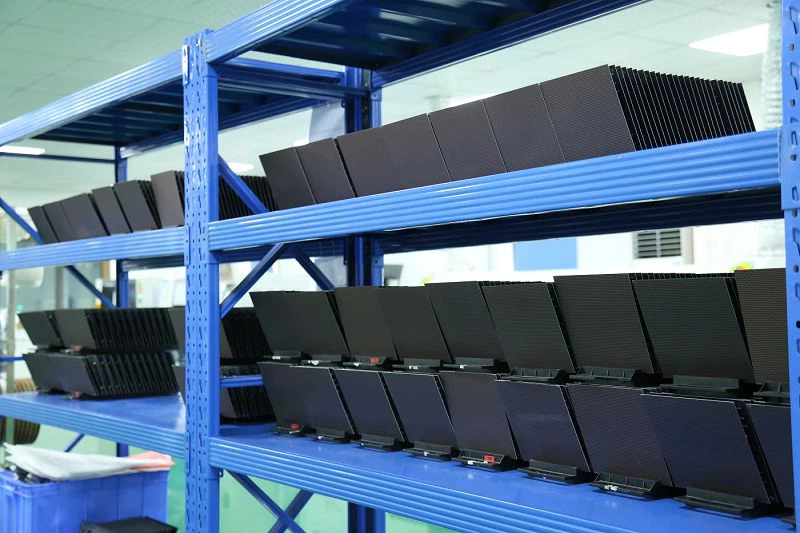
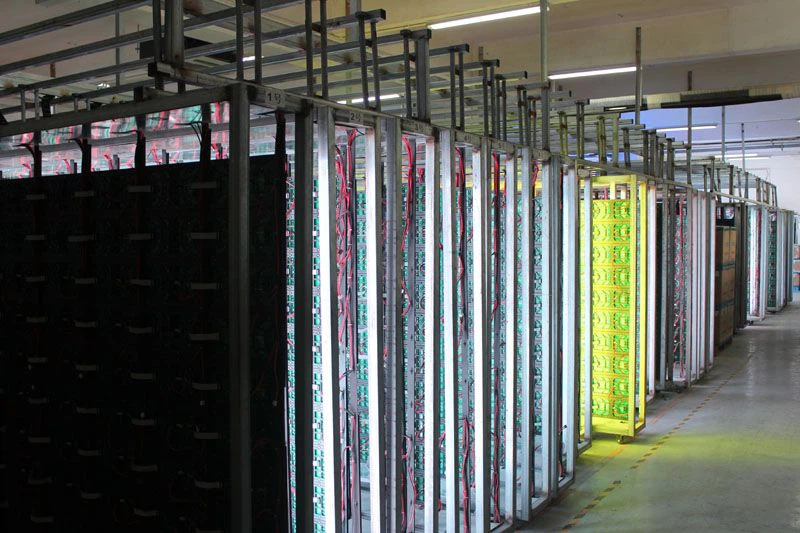
Factory Operations & High-Volume SMT Systems: Located in Shenzhen, the global manufacturing hub for LED displays, our facilities operate at an scale of 30,000 square meters monthly, providing fast turnaround times of 1-10 days for standard orders.
Quality control operations guide the manufacturing process from raw material inspection to final functional verification:
How custom display systems serve diverse commercial environments.
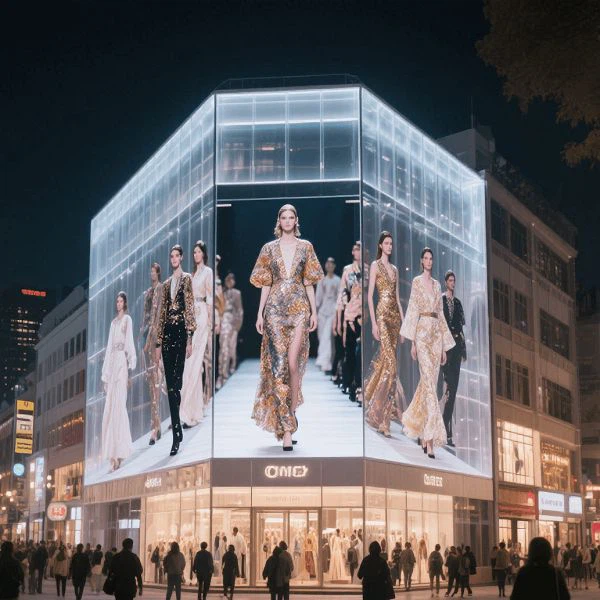
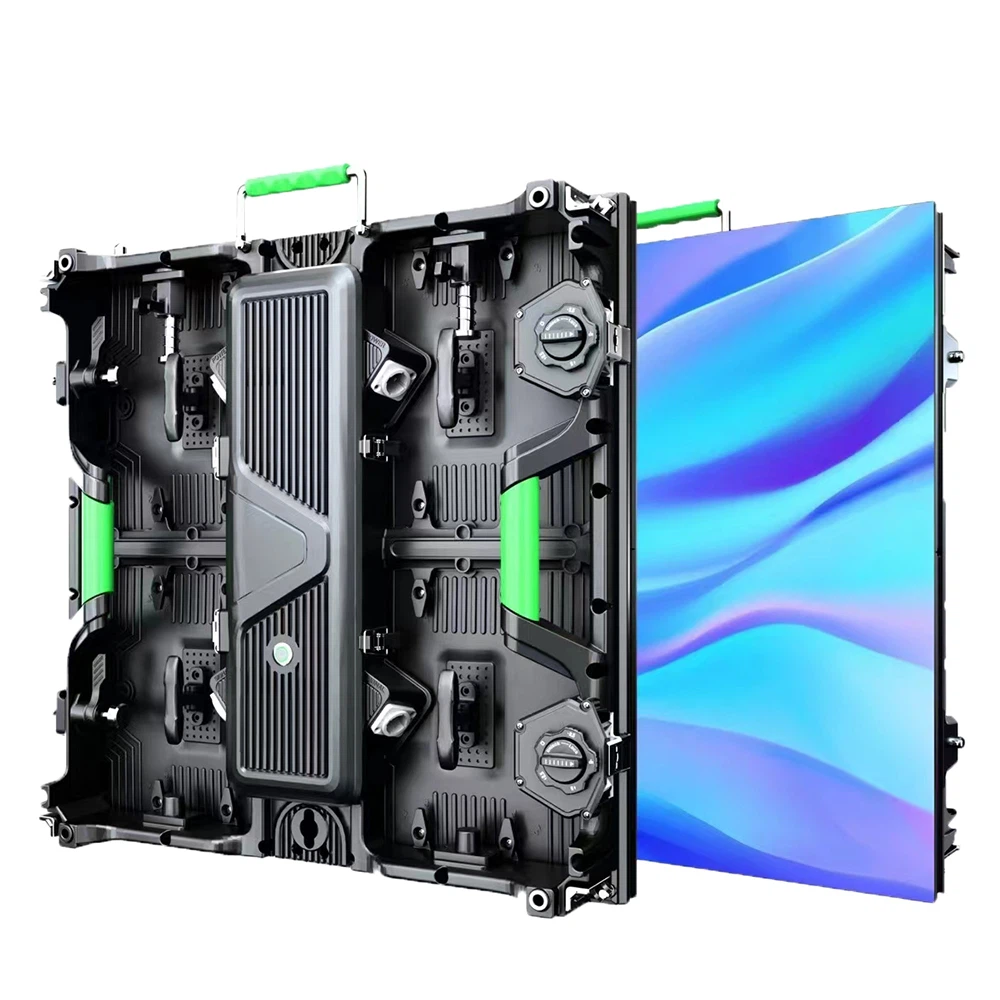
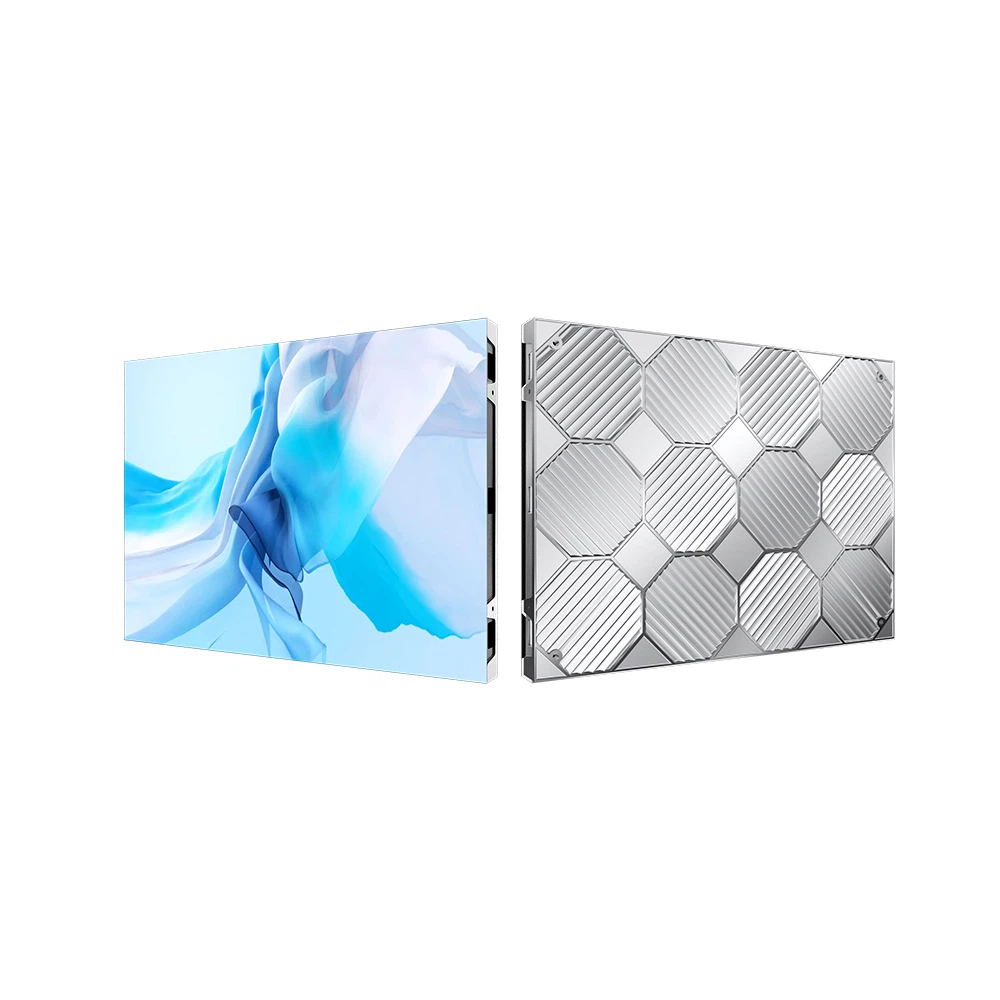
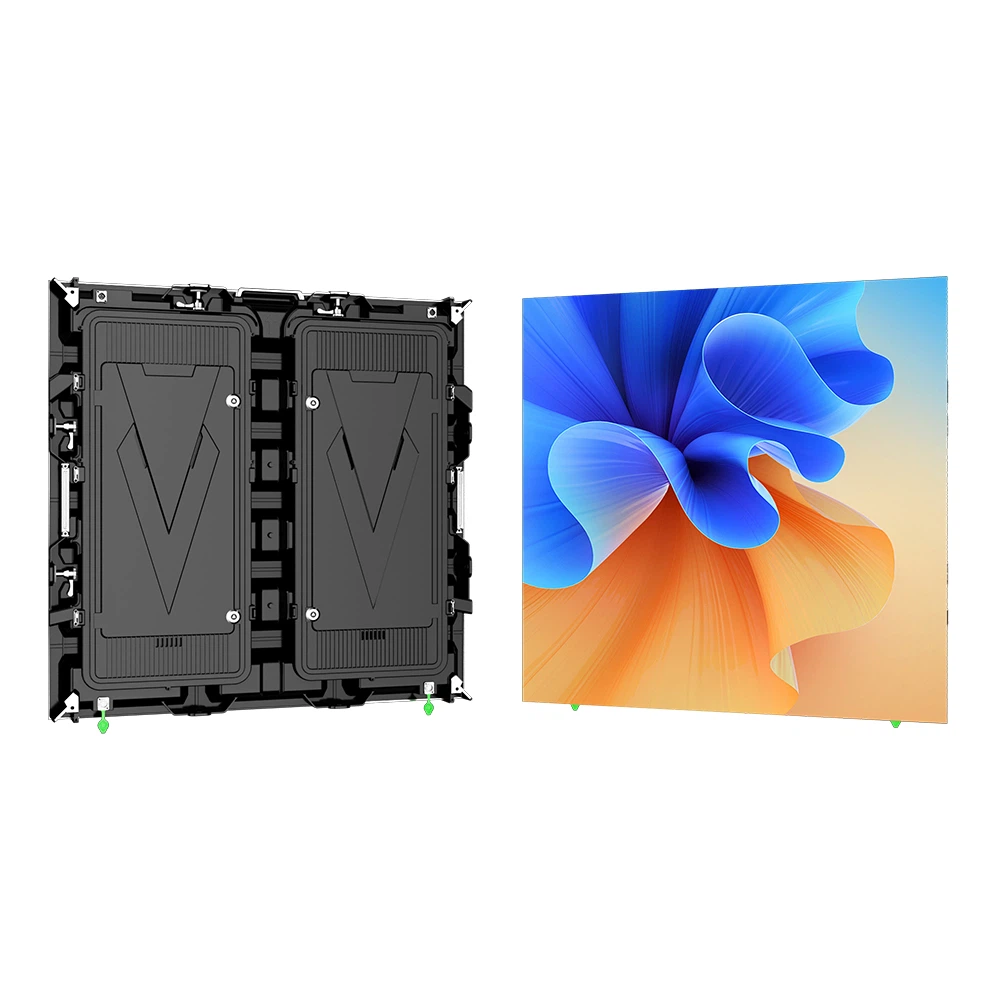
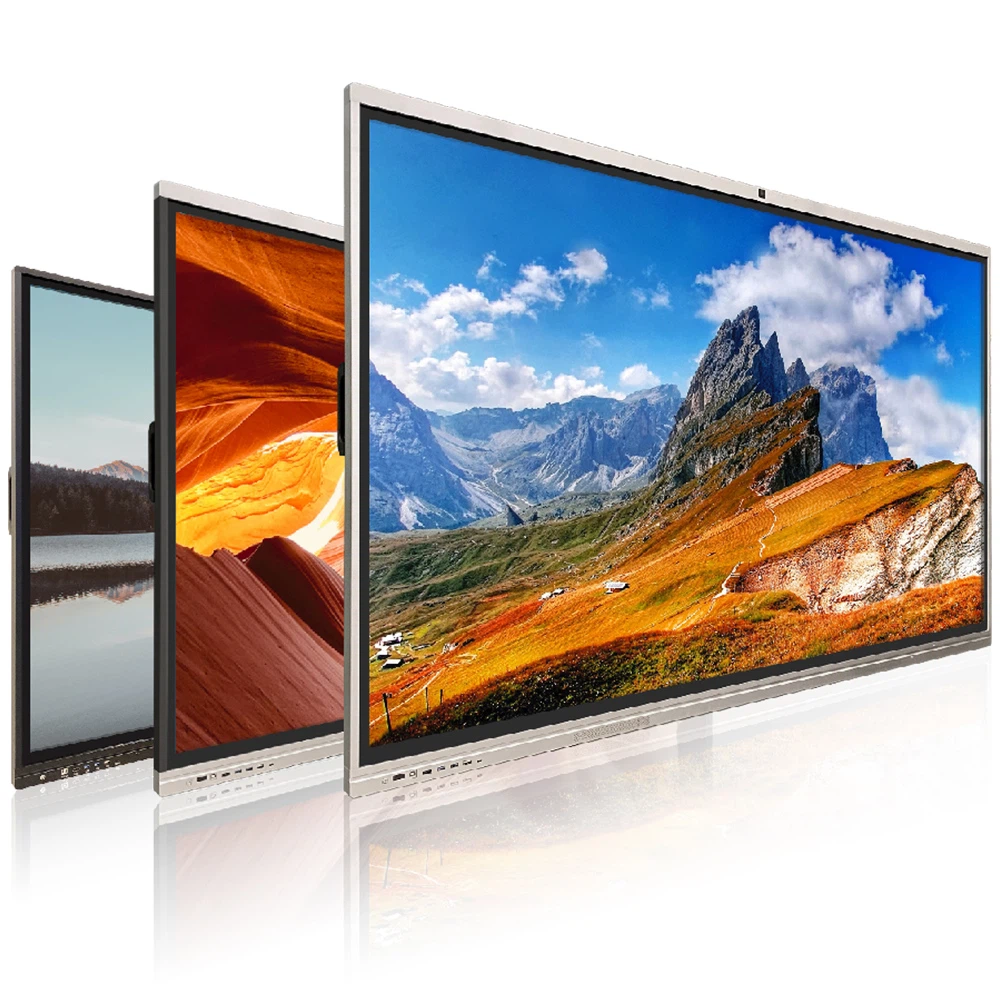
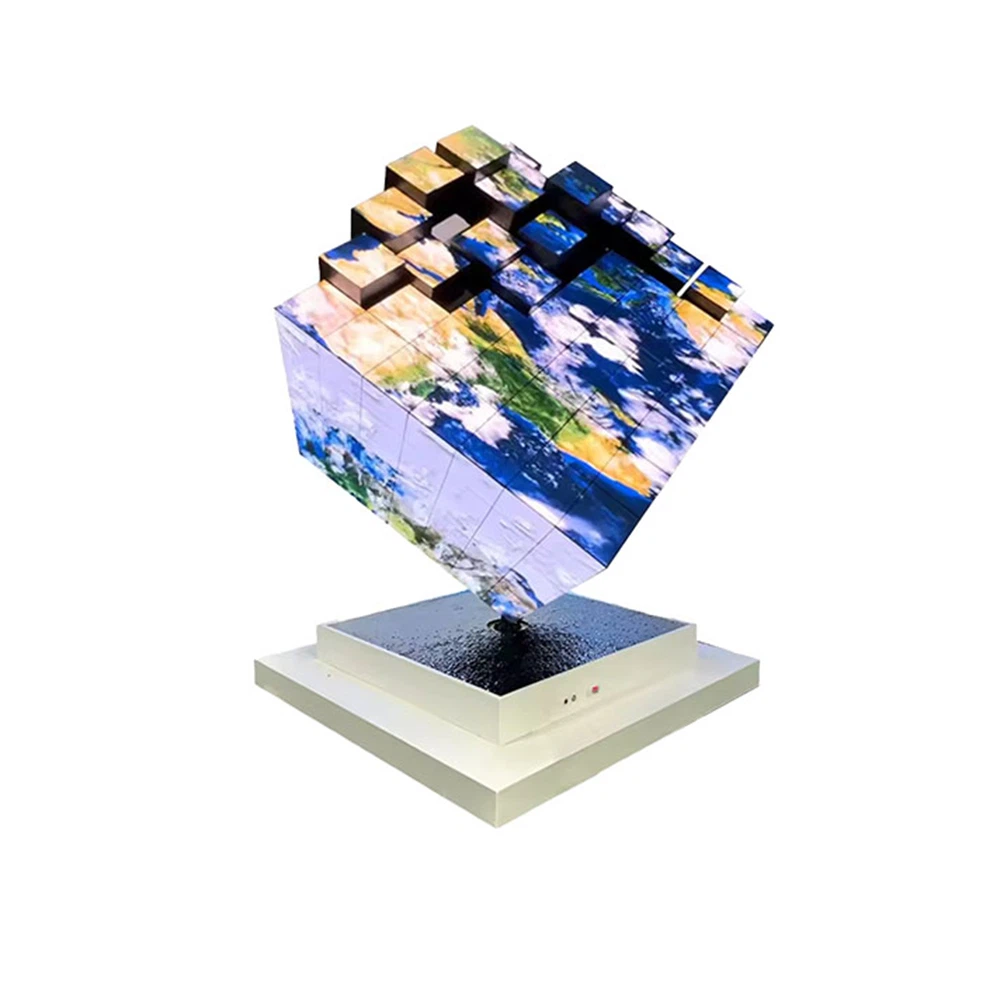
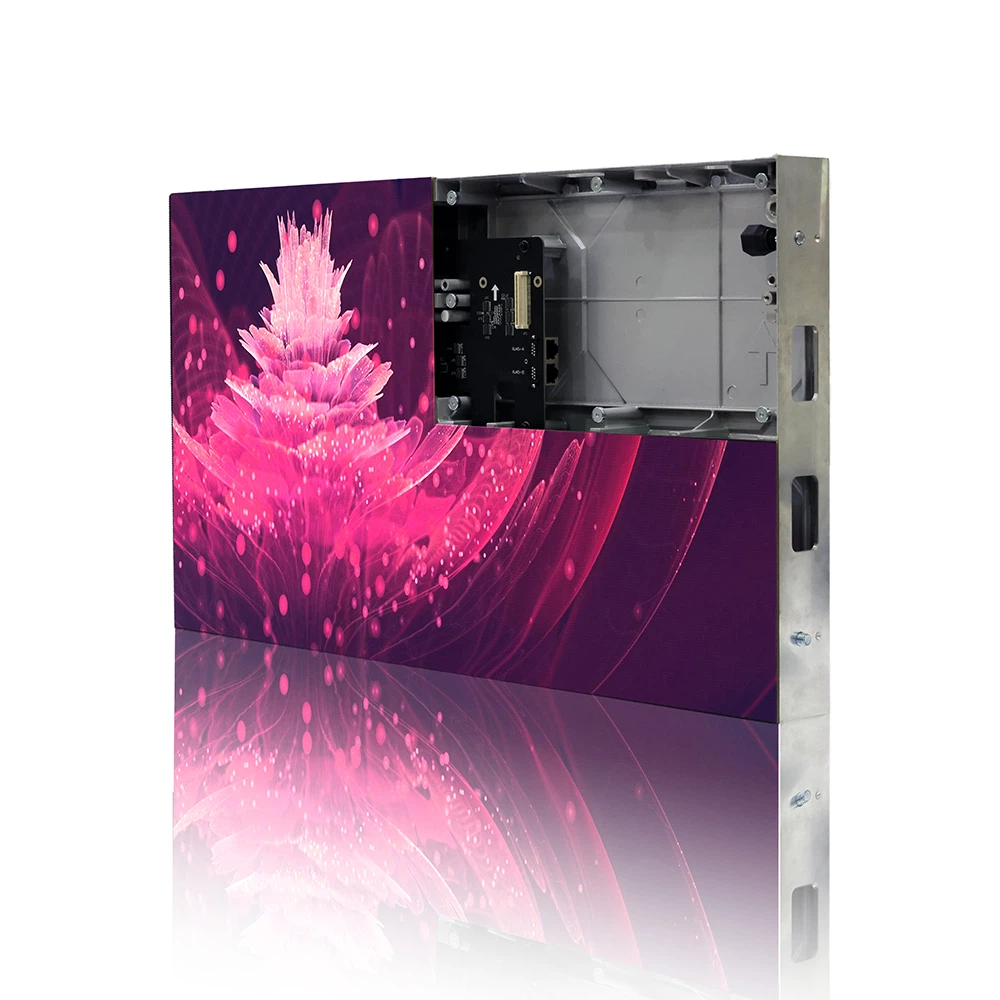
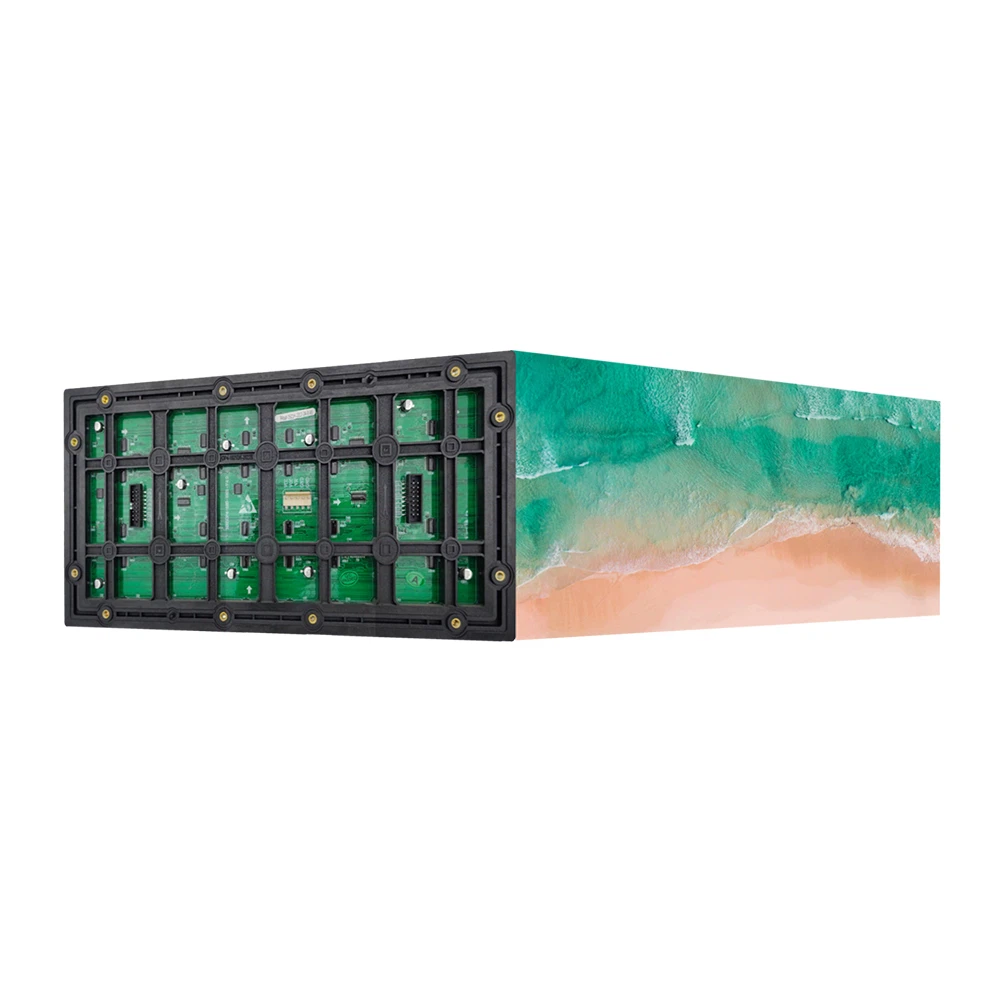
Modern LED displays are adapted for many commercial and structural environments. Our systems are engineered to perform across key configurations:
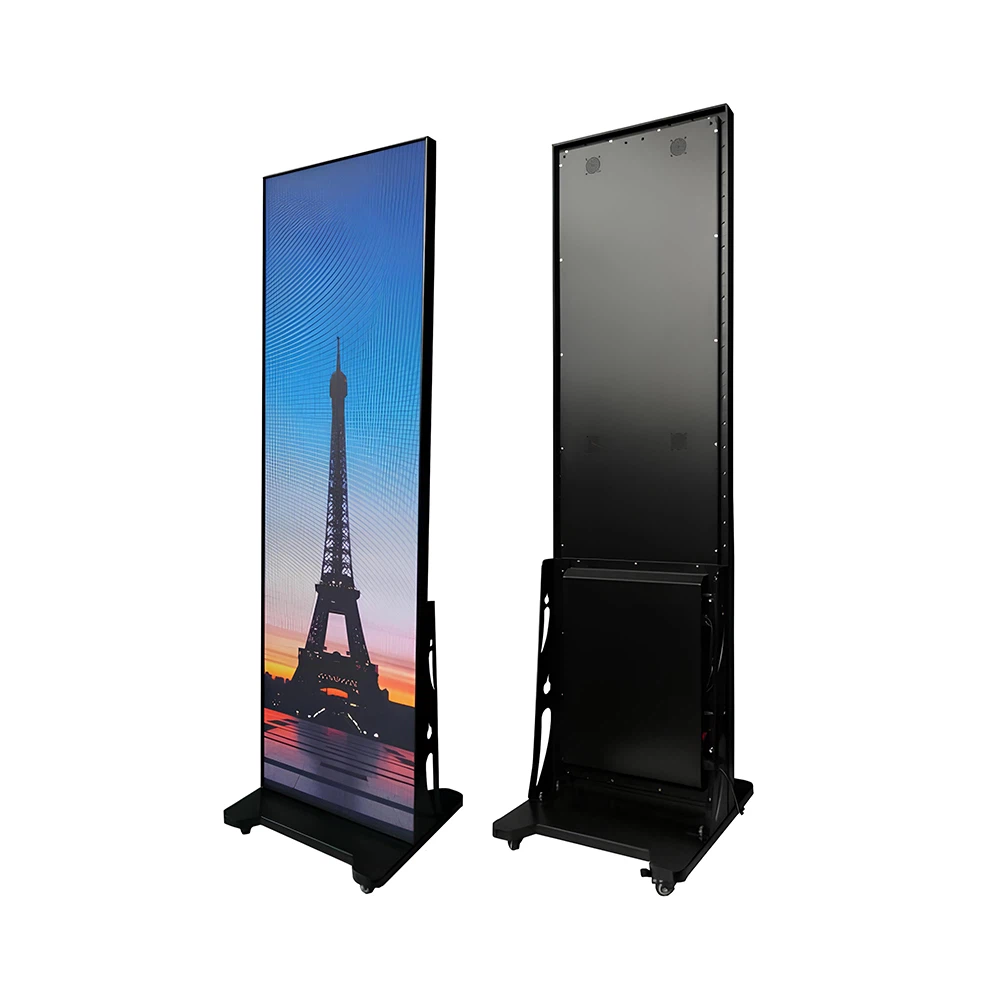
Technical solutions to common procurement and structural deployment questions.
The optimal viewing distance is calculated using the formula: Optimal Distance (meters) = Pixel Pitch (mm) x 1.0 to 1.5. For example, a P2.5 display is best viewed from 2.5 to 3.75 meters away. For high-altitude outdoor billboards, pixel pitches between P5 and P10 offer a good balance of cost and visibility, whereas close-range retail environments require fine pitches between P0.9 and P1.86 to ensure clean, high-resolution text and imagery.
Common cathode technology routes power dynamically to individual color diodes based on their physical bandgap requirements. Red LEDs, which need lower voltage than Green and Blue ones, receive a dedicated 2.8V line instead of sharing a single 3.8V rail. This prevents excess voltage from converting into heat, lowering operating temperatures by up to 15°C and extending diode lifespans while reducing energy bills.
Outdoor panels carry an IP65 or IP66 ingress protection rating, sealing them against wind-driven rain and dust. They use high-temperature power supplies, UV-resistant encapsulation materials, and conformal coatings. Built-in thermal sensors and fans actively regulate internal temperatures, ensuring reliable performance in conditions ranging from -30°C to 60°C.
The first 72 hours of operation are critical for identifying early-stage component issues, such as solder joint failures, driver IC defects, or diode inconsistencies. Running the displays under full heat and load stresses for 72 hours allows quality control teams to identify and resolve these issues, ensuring high reliability when the displays are installed in the field.
COB (Chip-on-Board) technology mounts the bare LED silicon chips directly onto the PCB substrate, bypassing individual diode packaging. This eliminates the risk of wire-bond failures, reduces pixel failure rates, and provides a smooth, easy-to-clean display surface that resists moisture, impact, and dust.
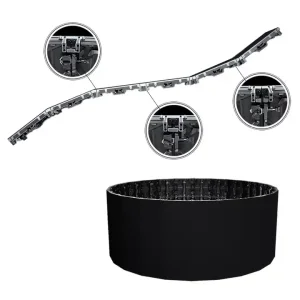
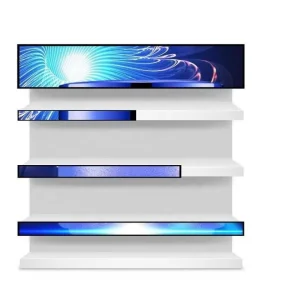
Innovative structural formats and heavy-duty integration components for demanding installations.
 Xiguang Display