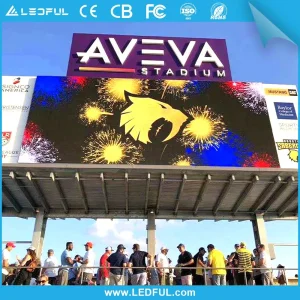
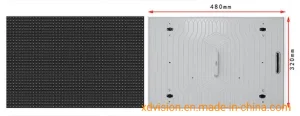
Engineered for maximum visibility, high contrast, and structural reliability in extreme ambient environments.
Why standard displays fail in direct sunlight, and the critical engineering requirements of true daylight visibility.
In today's hyper-connected, high-traffic commercial and industrial environments, the demand for visual solutions that remain perfectly legible under direct, intense sunlight has reached an all-time high. Standard liquid crystal displays (LCDs) and low-nits LED arrays fail under the crushing ambient brightness of the sun, which can reach up to 10,000 to 100,000 lux. Without proper technical integration, displays experience "washout," rendering critical information unreadable and ruining user experiences.
A true Sunlight Readable LED Display relies on a triad of advanced technologies: ultra-high luminance (measured in nits or cd/m²), optical bonding to reduce internal reflection, and state-of-the-art anti-reflective coatings. These systems require a minimum of 2,500 to 3,000 nits for shaded outdoor applications, and upwards of 5,000 to 10,000 nits for direct, unshaded sunlight orientation. Additionally, heat dissipation is paramount—high-brightness components naturally generate intense thermal loads that require robust, long-lasting cooling systems and smart thermal management grids to prevent degradation or thermal runaway.
An expert analysis of the leading global factories based on quality control, innovation, customizability, and production capacity.
Selecting the right hardware partner is crucial for industrial deployments, commercial advertising, and public transit nodes. Below, we evaluate the top manufacturers leading the high-brightness optoelectronics market globally:
Headquarters: Shenzhen & Xiamen, China
Established in 2003, with over 20 years of deep specialization in high-performance LED applications. LUMIVIS and Xiguang provide fully integrated customized display solutions, boasting a massive 30,000㎡ monthly capacity. Their products are designed to withstand harsh outdoor conditions using top-tier heat-dissipation techniques and extreme-condition thermal cycling tests.
Headquarters: Shenzhen, China
A powerhouse in global visual solution supply chains, Unilumin is renowned for its high-density pixel pitch solutions and high-nits display systems. They focus heavily on Smart City infrastructure, sports stadiums, and localized digital out-of-home (DOOH) installations.
Headquarters: Shenzhen, China
Absen is highly regarded for its robust international sales, localized field support, and premium outdoor rental screens. Their high-brightness series are built with ruggedized chassis designs suitable for immediate outdoor broadcasting and events.
Headquarters: Beijing, China
A pioneer in micro-LED and fine-pitch technologies. Leyard’s outdoor screens deploy highly efficient, common-cathode driver designs that maximize sunlight readability while reducing energy draw and excess heat emissions.
Headquarters: Brookings, South Dakota, USA
A leading Western manufacturer with decades of expertise in large-scale stadium video walls and highway billboard networks. They offer localized US integration and highly specialized outdoor optoelectronic calibration.
Headquarters: Kortrijk, Belgium
Renowned for premium image quality, high reliability, and visualization solutions. Barco's outdoor and semi-outdoor LED offerings excel in high-contrast ratio calibration, serving demanding control centers and high-end retail venues.
Headquarters: Shenzhen, China
A high-tech enterprise specializing in LED display system manufacturing. Their outdoor visual screens emphasize dynamic range, color fidelity, and wide viewing angles under heavy ambient illumination.
Headquarters: Shenzhen, China
A global leader in COB (Chip-on-Board) display technology. Ledman is shaping the future of sunlight-readable screens by packaging mini-LEDs directly onto substrate boards to achieve superior durability, dust/water proofing, and luminous efficacy.
Headquarters: Shenzhen, China
Providing high-end products for broadcasting, transportation, and retail. AOTO designs specialized ultra-high brightness LED panels with integrated structural systems to maintain structural integrity under hot direct sunlight.
Headquarters: Shanghai, China
Sansi is globally famous for its specialized ceramic-substrate LED heat-sink technology. This innovation allows their high-brightness outdoor displays to operate reliably in scorching climates without active cooling systems.
A review of the engineering pathways that enable high contrast and reliable operation under harsh atmospheric conditions.
To deliver true legibility in outdoor environments, LED manufacturers must combine optical science, mechanical engineering, and material physics. Simply driving more current into standard diodes will result in premature degradation, color shifting, and thermal failure. Below are the key pillars of the sunlight-readable engineering roadmap:
| Technological Pillar | Technical Method / Application | Direct Operational Benefit |
|---|---|---|
| Common Cathode Driver | Separates power supply pathways for red, green, and blue diodes, matching individual forward voltage needs. | Reduces energy consumption by up to 30%, minimizing thermal load and extending diode lifespan. |
| Optical Bonding | Fills the air gap between the outer protective layer and the LED display module using an index-matched resin (OCR/LOCA). | Eliminates internal reflective surfaces, elevating the contrast ratio from 500:1 to over 3000:1 under ambient light. |
| Smart Dynamic Dimming | Utilizes ambient light sensors to actively modulate output luminance relative to atmospheric conditions. | Prevents overnight light pollution and glare, while optimizing energy use during peak sunlight hours. |
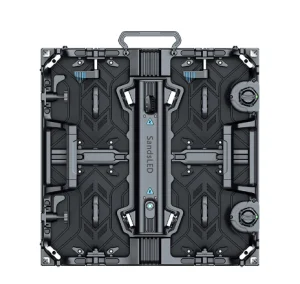
| COB Packaging | Mounts multiple micro-LED chips directly onto the PCB substrate, encapsulated with structural resin. | Provides superior resistance to dust, moisture, and impact (IK10), while improving heat dissipation efficiency. |
How industries deploy high-brightness LED configurations to achieve critical business goals.
Navigational control displays, cargo-crane readouts, and vessel command bridges require displays that remain fully visible despite harsh direct sun and intense water reflections. These environments demand IP67 marine-grade sealed housings that prevent saltwater corrosion while delivering over 3,000 nits of continuous output.
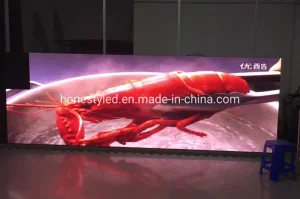
From downtown shopping centers to outdoor transport depots, static signage is rapidly being replaced by dynamic LED screens. To compete with bright ambient light and retain crisp advertising imagery, these screens use ultra-bright LEDs combined with wide-angle optical lenses to engage viewers from any direction.
Modern electric vehicle (EV) charging stations and interactive municipal information kiosks must remain operational and readable 24/7. Integrating high-brightness screens ensures that user interfaces remain visible under direct midday sun, while automated dimming prevents glare at night.
A closer look at the quality control, automated testing, and assembly processes that ensure long-term reliability in the field.
Operating a state-of-the-art facility in Shenzhen, China's international electronics capital, LUMIVIS & Xiguang Display deliver high-volume, precision-engineered products. With a 30,000㎡ monthly capacity, they maintain rapid, reliable delivery timelines, keeping lead times between 1 to 10 workdays to help clients quickly capture market opportunities.
Quality assurance is embedded in every step of the manufacturing line, from raw diode inspection to final crating. Below are the key testing methodologies that ensure long-term durability:
Advanced high-speed optical cameras scan every printed circuit board (PCB) assembly line. This automated system identifies microscopic soldering flaws, component alignment shifts, and electrical bridge anomalies before panels move to final assembly.
Every module design undergoes rigorous environmental chamber testing, cycling temperatures between -30°C and 60°C. This process stresses the components, confirming that structural joints and optical paths remain sound under rapid atmospheric shifts.
Using precision spectroradiometers, engineers calibrate the color output and gamma curve of every panel. This ensures consistent color accuracy and uniform brightness, eliminating color-mismatch issues when panels are joined together in large arrays.
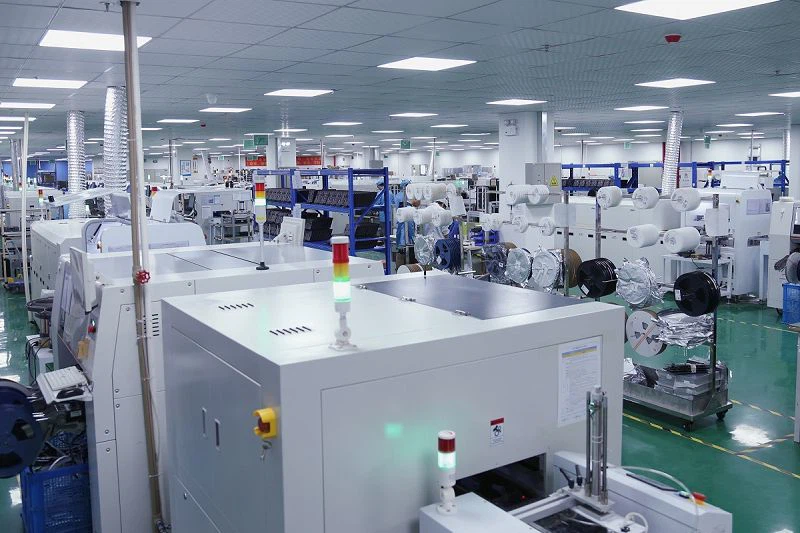
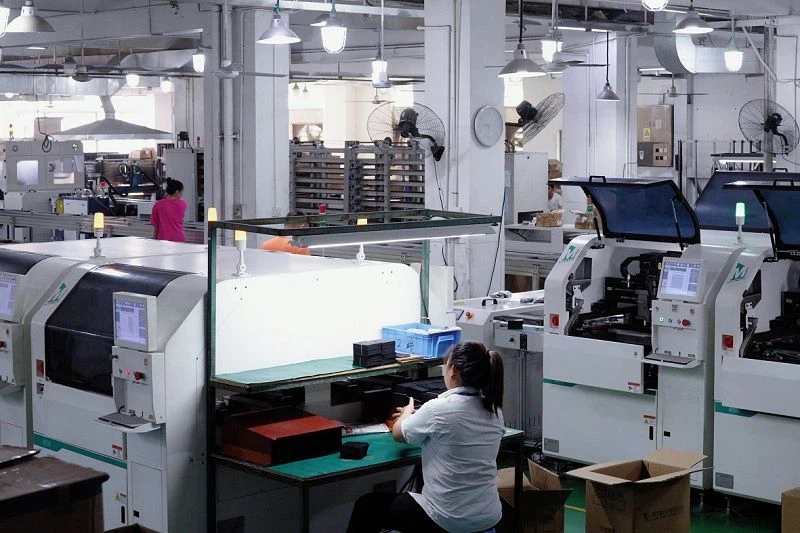
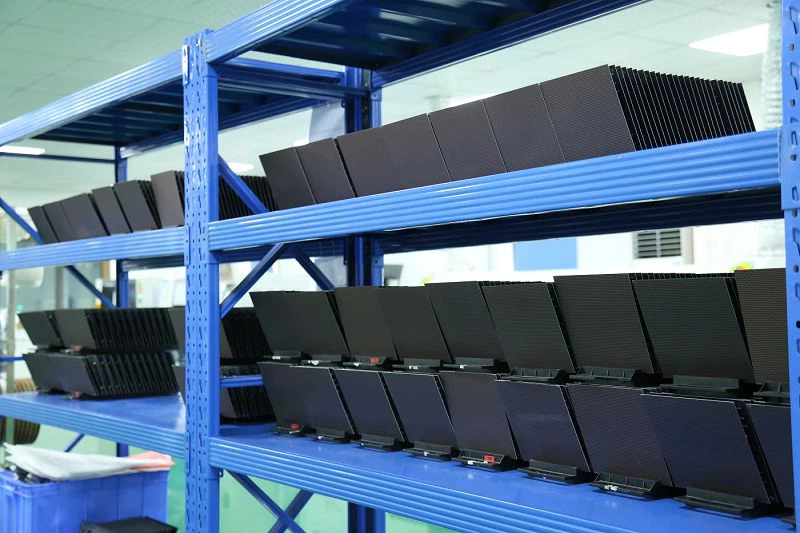
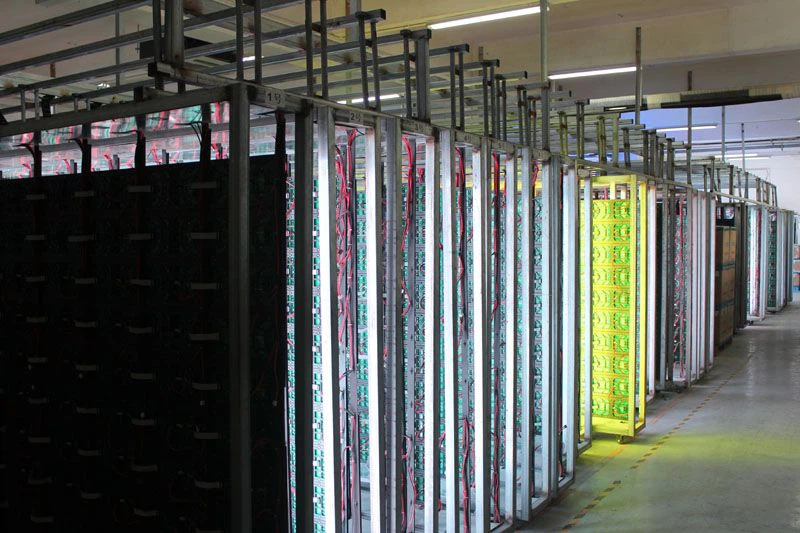
A rigorous 72-hour continuous aging test simulates real-world operating conditions. Running displays continuously for 3 days stabilizes the diodes and lets engineers monitor thermal loads, ensuring that only flawless products reach customers.
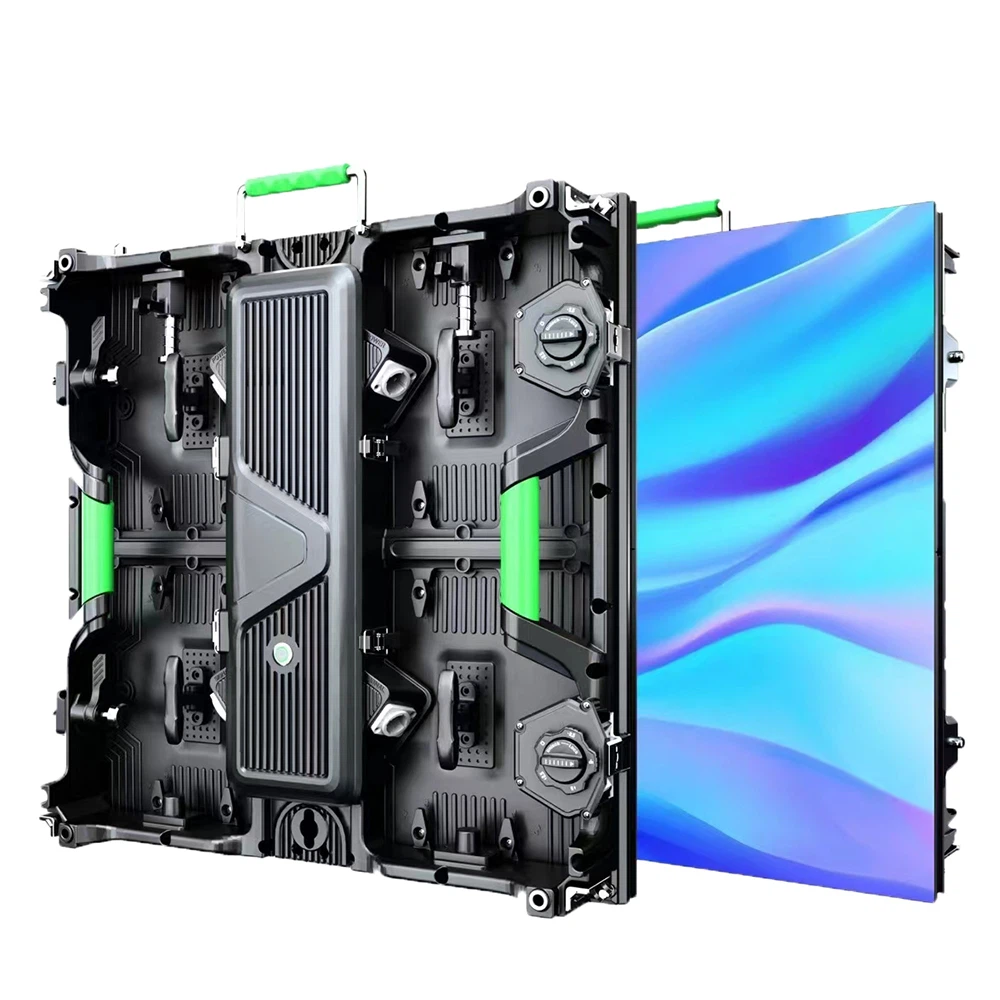
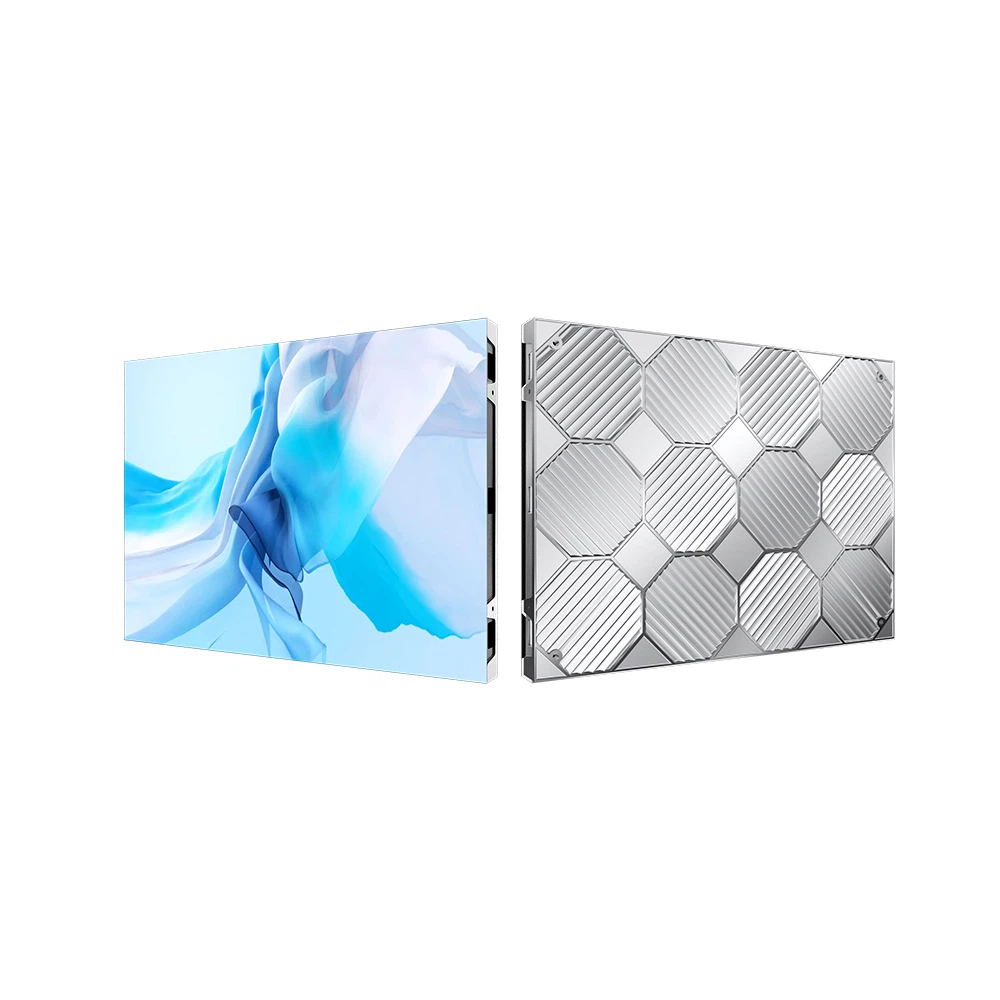
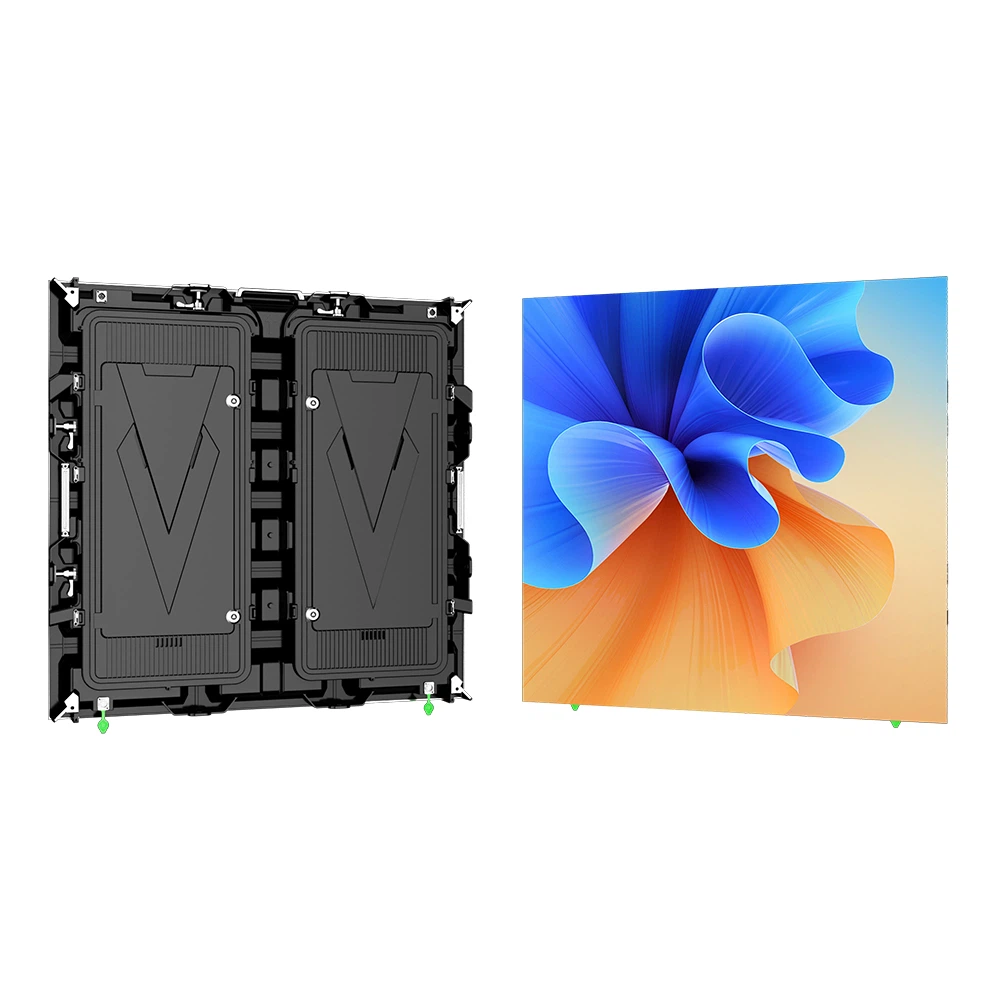
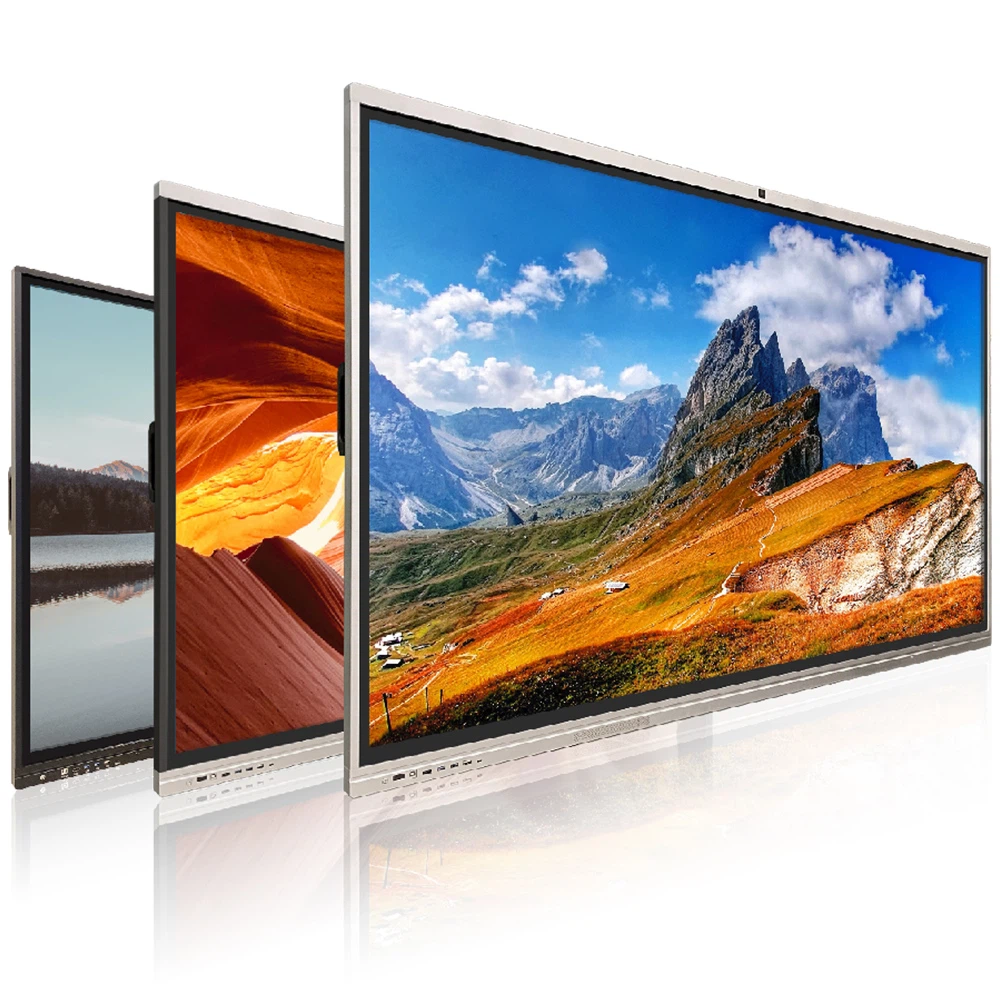
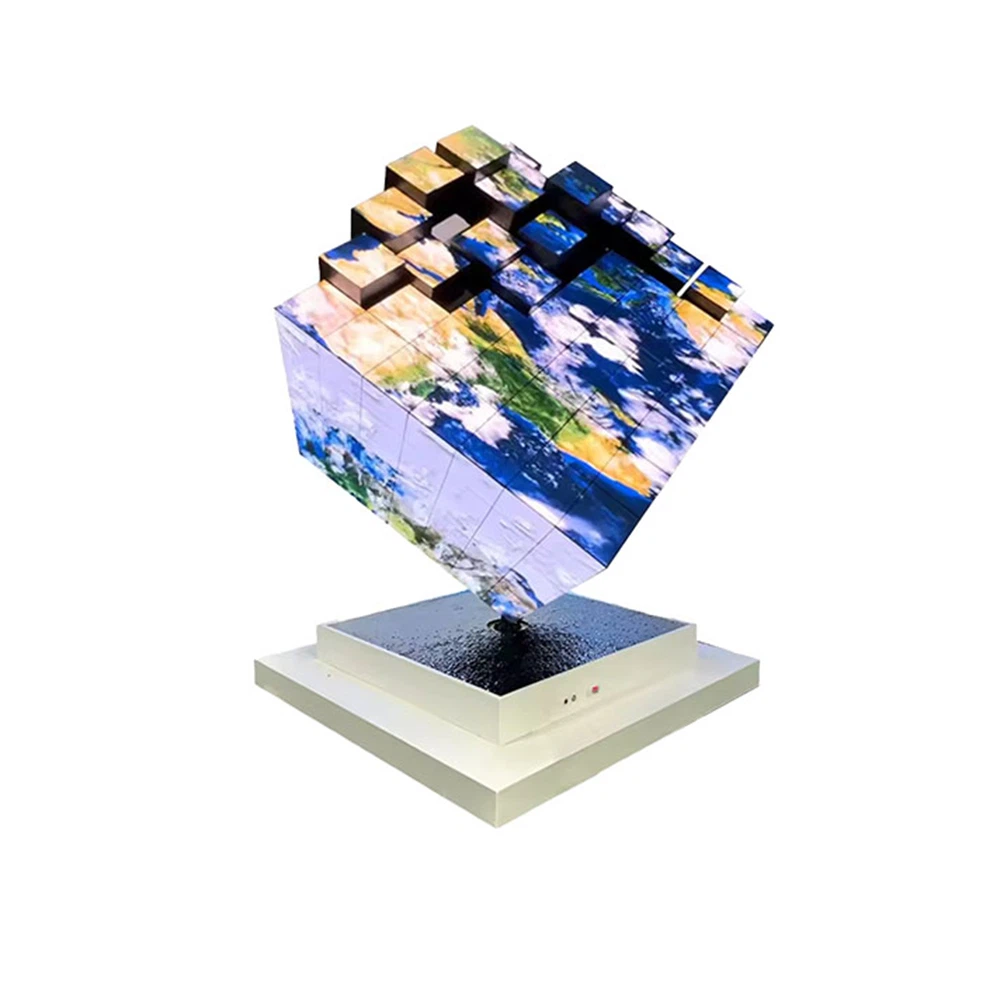
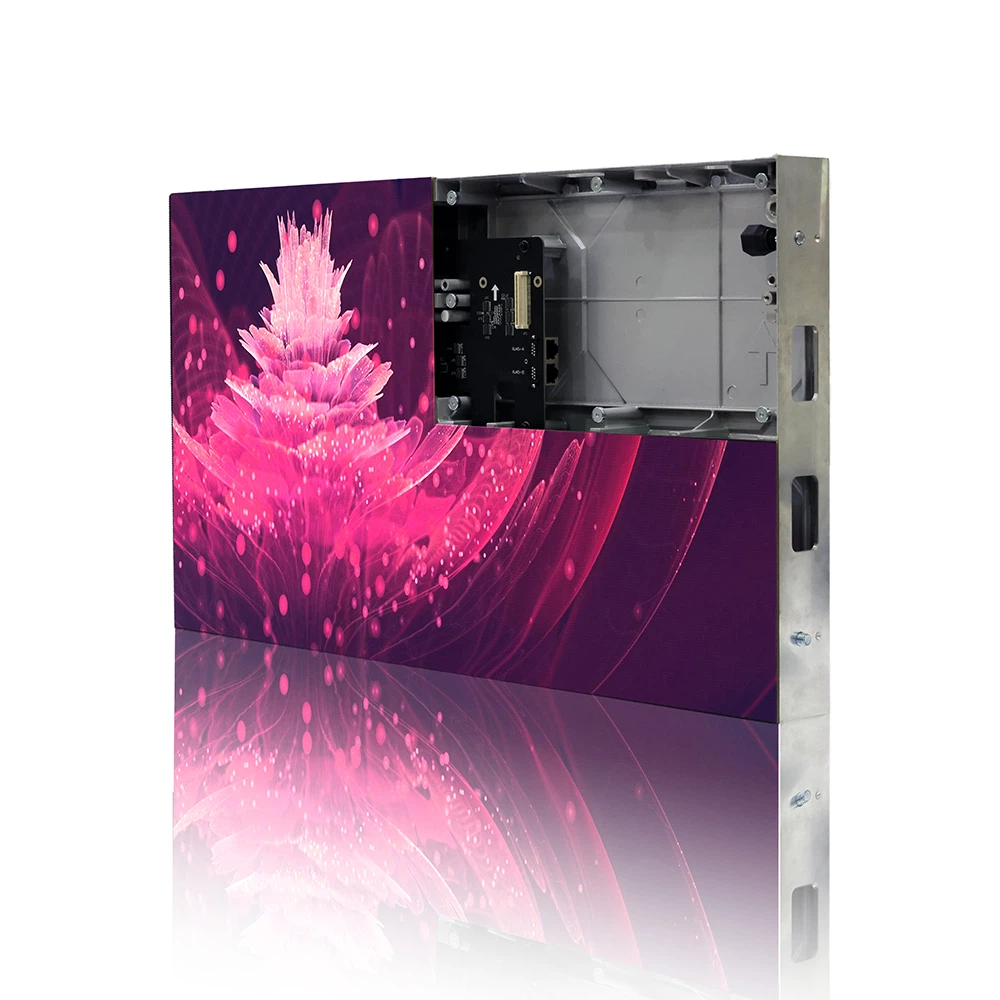
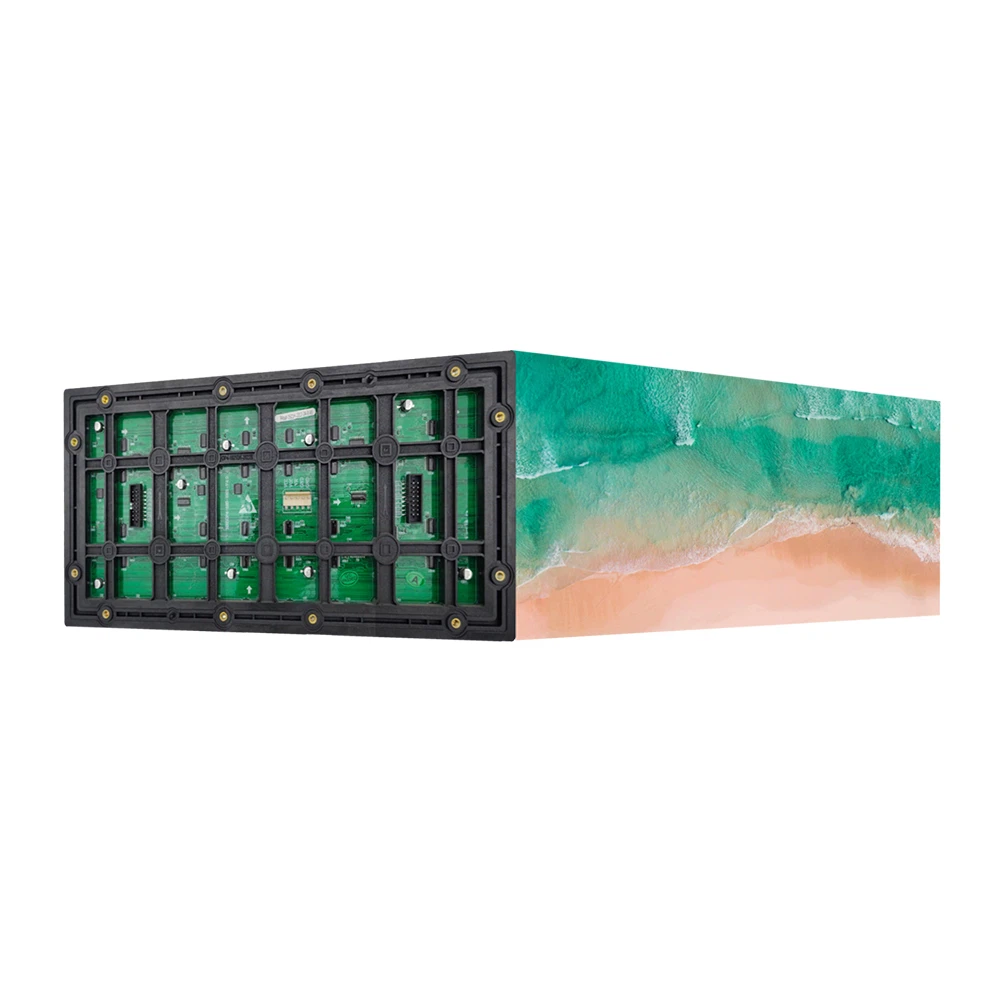
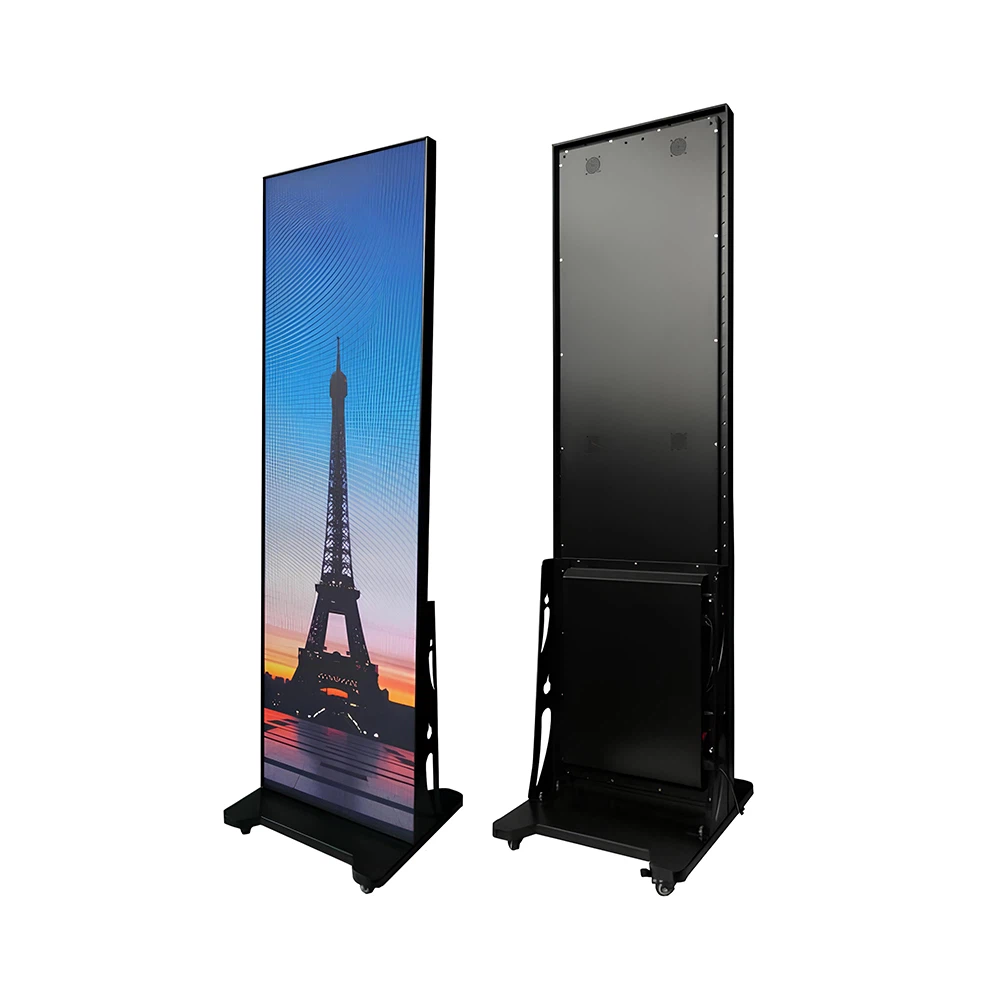
Explore our extensive range of high-performance displays, designed to deliver exceptional clarity and reliability for any application.
Navigating standards, certifications, and global deployment challenges.
Deploying high-brightness LED equipment across different regions requires strict adherence to local regulations. Products must comply with standards like CE (Europe), FCC (North America), RoHS (Material Safety), and UL/ETL electrical safety guidelines. Compliance ensures that display networks operate safely and reliably, reducing liability for project operators.
Beyond regulatory compliance, successful deployment relies on seamless integration with existing software systems. Modern outdoor displays utilize cloud-connected Media Players and open APIs, allowing operators to coordinate updates and monitor hardware diagnostics remotely. Through real-world diagnostics, operators can track fan speeds, monitor diode temperatures, and detect system issues early—minimizing downtime and reducing maintenance costs.
Expert answers to the most common engineering and purchasing questions about sunlight-readable LED systems.
Explore our highly customizable, weather-sealed, and low-energy solutions designed for global deployment.
 Xiguang Display