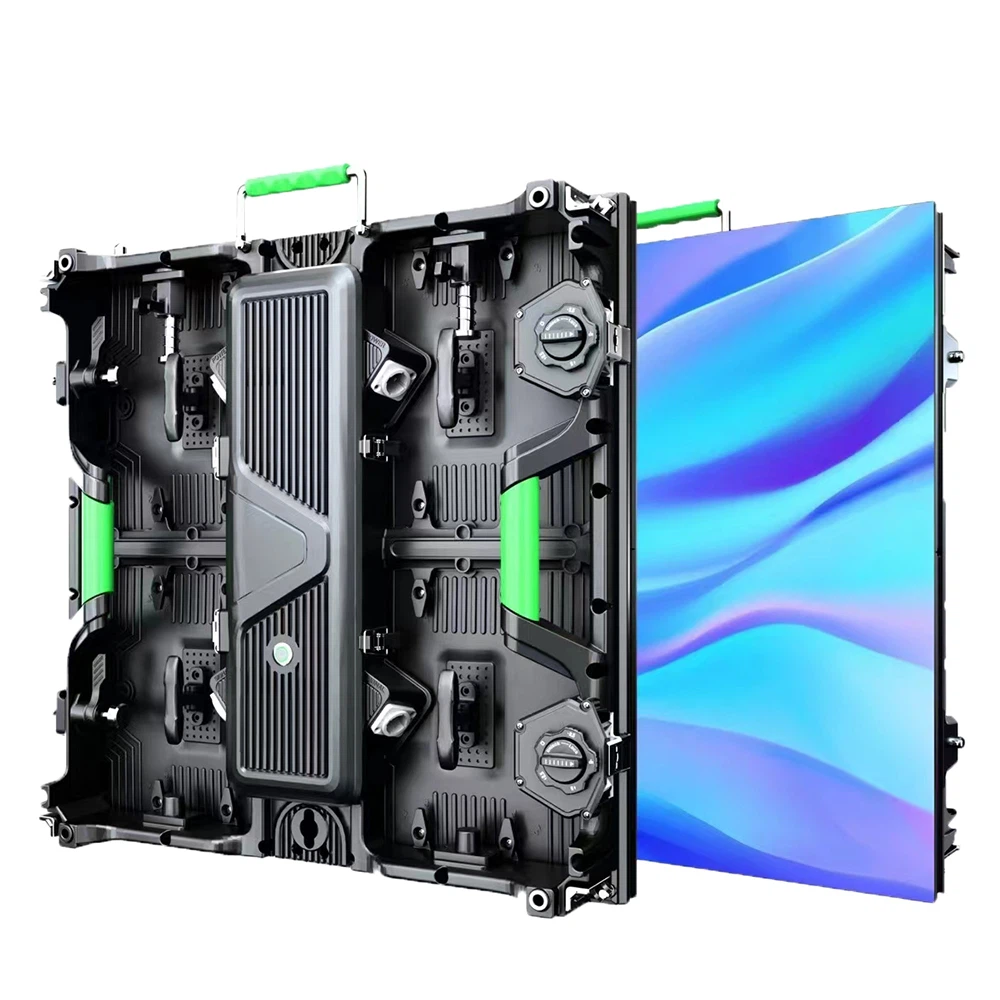
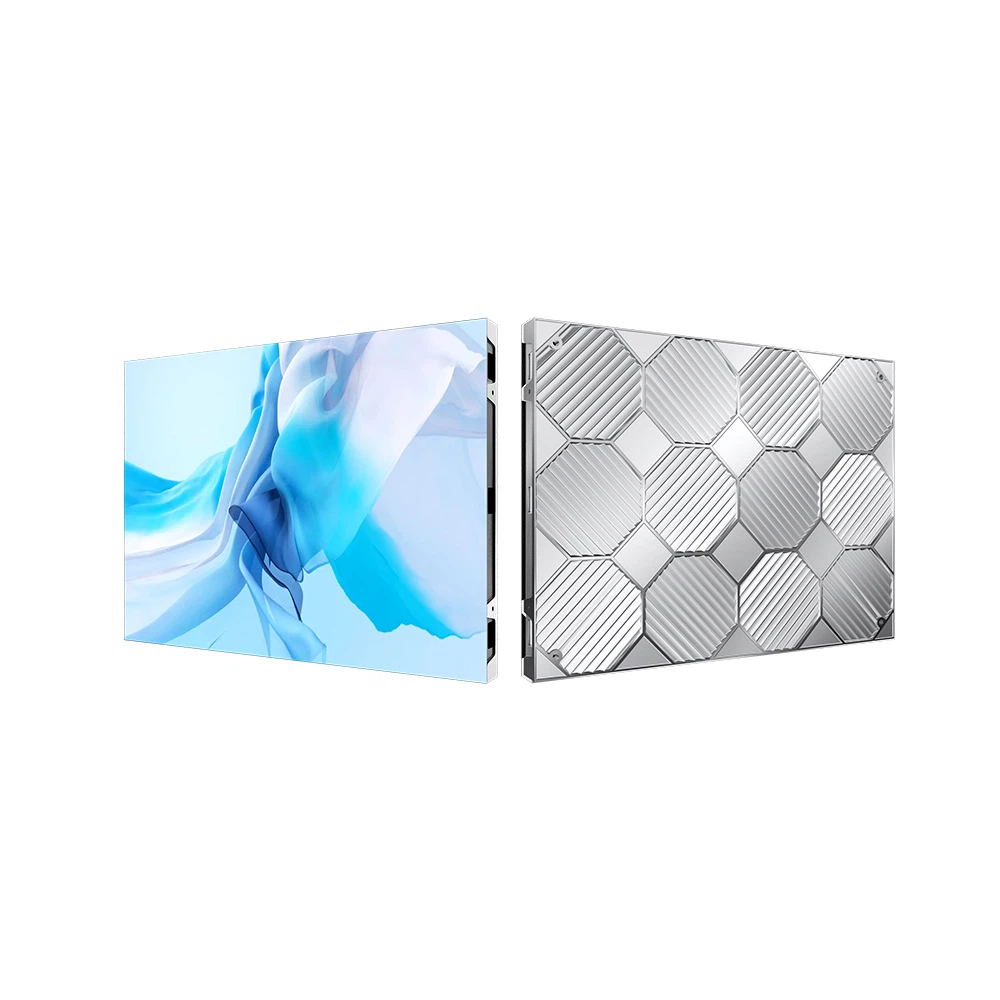
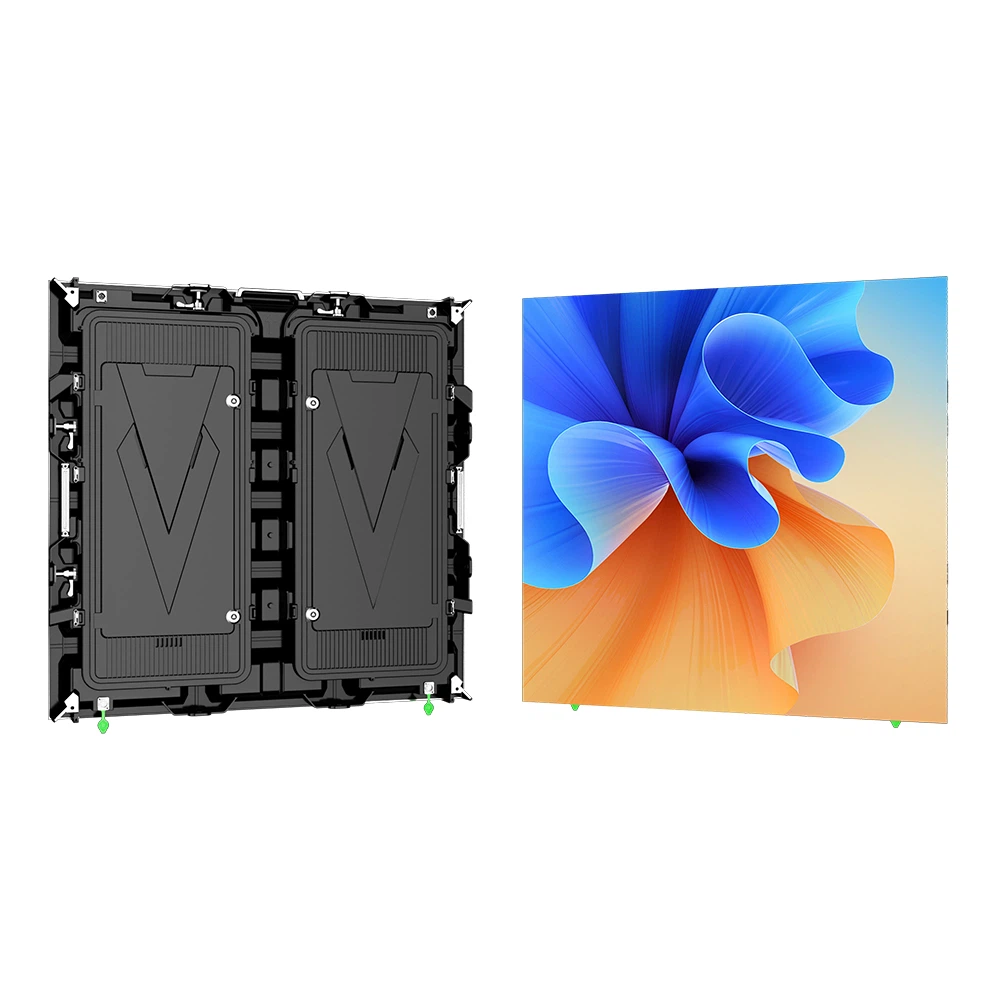
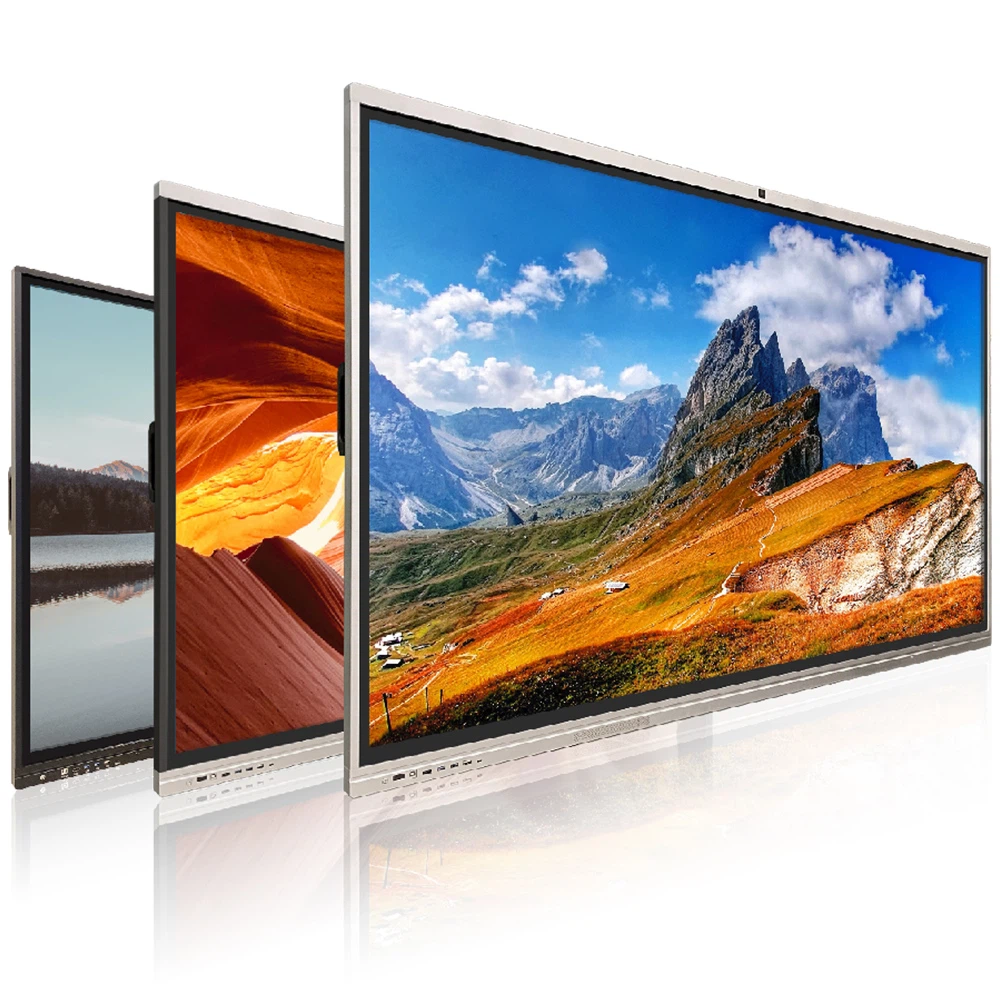
Explore our precision-engineered, thermally optimized LED video walls designed for continuous 24/7 commercial, industrial, and outdoor rental environments.
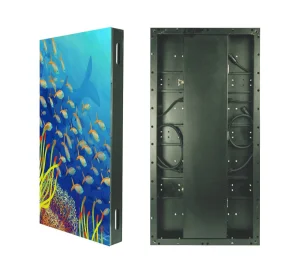
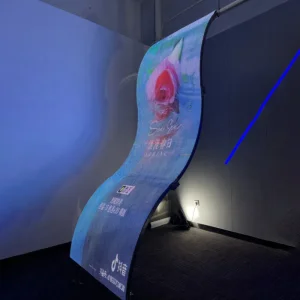
In the rapidly evolving landscape of Digital Out-Of-Home (DOOH) advertising, control room displays, virtual production stages, and sports arena scoring systems, thermal management has emerged as the single most critical engineering bottleneck determining system longevity, optical fidelity, and operational Return on Investment (ROI). Modern ultra-high-brightness outdoor displays (exceeding 7,500 to 10,000 nits) and fine-pitch indoor video walls (P0.7 to P1.5 COB) concentrate massive amounts of electrical power within tight volumetric enclosures. Without advanced thermal dissipation architectures, up to 80-85% of input electrical energy converts directly into waste heat rather than visible light photons.
To evaluate top LED wall factories, system integrators must understand the mathematical relationship governing thermal behavior within an LED module. The junction temperature ($T_j$) is calculated via:
T_j = T_a + (P_d × R_{th,j-a})
Where T_a is the ambient environmental temperature, P_d is the thermal power dissipated by the diode, and R_{th,j-a} is the total thermal resistance from the semiconductor junction to ambient air. Top manufacturers minimize R_{th,j-a} by engineering high-thermal-conductivity sub-layers, including aluminum PCBs, copper-clad laminates (CCL), direct bonded copper (DBC), and die-cast aluminum cabinet chassis.
As temperature rises, red, green, and blue dies shift emission spectrum wavelengths unevenly. Red AlInGaP LEDs suffer severe intensity drops (up to 40% loss at 80°C) compared to InGaN blue/green LEDs, resulting in dramatic white-balance distortion and color non-uniformity across the display surface.
Continuous high-temperature operation degrades epoxy encapsulants, silicates, and phosphor coatings, turning clear packages yellow and permanently reducing light output. This shortens operating lifespans from 100,000 theoretical hours down to fewer than 30,000 real-world hours.
Driver ICs running hot cause solder joint fatigue, micro-cracks in trace vias, and permanent gate breakdown, manifesting as dead pixels, flickering lines, and visual "caterpillar" short circuits across pixel columns.
To overcome thermal dissipation barriers, leading tier-1 factories have abandoned traditional, low-cost plastic module designs in favor of cutting-edge thermodynamic architectures. The following comparative matrix outlines the technical evolution across key manufacturing parameters:
| Thermal Architecture Criteria | Legacy/Standard LED Display | Advanced Heat-Dissipation LED Display | Impact on Reliability & Performance |
|---|---|---|---|
| Power Distribution Scheme | Common Anode (Single 5V Rail) | Common Cathode (Dual 2.8V / 3.8V Rails) | Reduces energy consumption by 30-40%; cuts surface heat by up to 20°C. |
| Substrate Construction | Standard FR-4 Fiber (0.25 W/mK) | Aluminum Core PCB (2.0–4.0 W/mK) | Accelerates heat transfer away from LED chips to the external enclosure by 10x-16x. |
| Cabinet Frame Material | Iron Sheet Metal Frame | Die-Cast Aluminum / Magnesium Alloy | Provides high structural rigidity while doubling passive radiative cooling area. |
| Thermal Interface Material (TIM) | Standard Air Gap / Low-grade Paste | Nano-Phase Graphene / High-K Silicone (5.0+ W/mK) | Eliminates microscopic thermal voids between power supplies, PCBs, and aluminum frames. |
| Packaging Technology | Wire-Bonded SMD (Surface Mount) | Flip-Chip COB (Chip-on-Board) | Direct substrate bonding eliminates gold bond wires, dropping thermal resistance dramatically. |
The emergence of Common Cathode technology represents a fundamental breakthrough in display power engineering. In legacy Common Anode displays, a single 5V power supply line drives Red, Green, and Blue diodes simultaneously. However, Red LED diodes only require approximately 2.1V to 2.4V for forward bias activation, while Green and Blue diodes require 3.1V to 3.4V. The excess voltage (up to 2.6V) supplied to the Red diode converts 100% into non-radiative thermal energy right at the driver IC level.
Common Cathode power supply systems utilize independent, dual-voltage rails: delivering dedicated 2.8V power to Red chips and 3.8V power to Green/Blue chips. By tailoring operating voltage precisely to bandgap requirements, Common Cathode design cuts heat output by up to 40%, lowers overall operating power consumption, and ensures that the touch surface of indoor interactive video walls or studio screens remains cool to the touch (typically under 35°C even during extended maximum-white output).
Heat dissipation requirements vary substantially based on geography, installation environment, and operational duty cycle. Modern LED display suppliers must deliver localized macro solutions tailored to specific commercial and industrial demands:
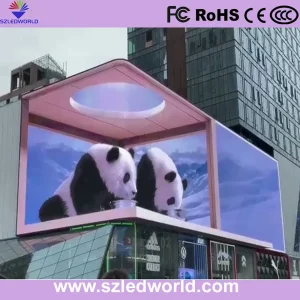
In high-ambient regions such as the Middle East, Southern US, or Australia, outdoor billboards encounter solar radiation exceeding 1000 W/m² alongside ambient temperatures above 45°C. Thermally optimized outdoor displays utilize sun-shielding louvers, fully sealed IP67 aluminum module backs, and convection-driven finned heatsinks that eliminate internal AC cooling systems, cutting client energy bills by up to 50%.
XR studios require massive, continuous LED backdrops operating at ultra-high refresh rates (3840Hz to 7680Hz). High refresh rates create heavy driver IC thermal loads. Passive, fanless cooling systems are non-negotiable here; active cooling fans generate background acoustic noise that ruins studio audio recording tracks.
Security operating centers (SOCs) and traffic command nodes demand uninterrupted 24/7/365 uptime. Thermal engineering in fine-pitch COB displays ensures that pixel drift is virtually zero, preventing screen burnout and ensuring critical data maps remain clear without thermal distortion.
When procuring heat-dissipation LED displays at scale, evaluating the manufacturer’s technical infrastructure, quality assurance rigor, and custom production capacity is critical for long-term project success.
LUMIVIS (also operating under Shenzhen Xiguang Display Electronic Technology Co., Ltd.), established in 2003 in Xiamen, China, has been deeply engaged in the LED display industry for more than 20 years. Our relentless dedication to engineering innovation, thermal perfection, and strict quality assurance has established our position as a globally trusted industry leader.
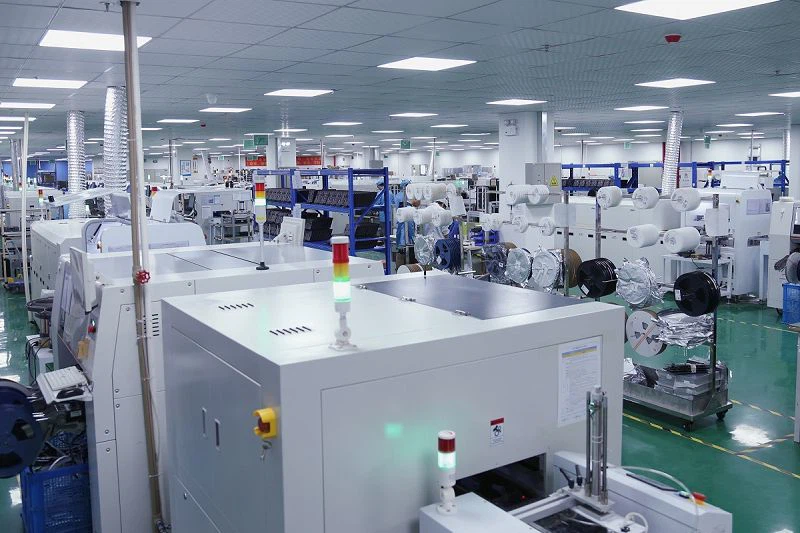
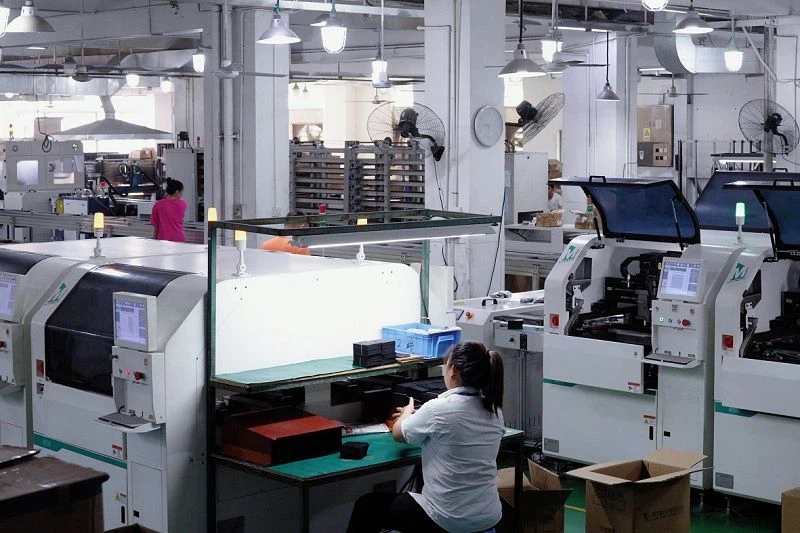
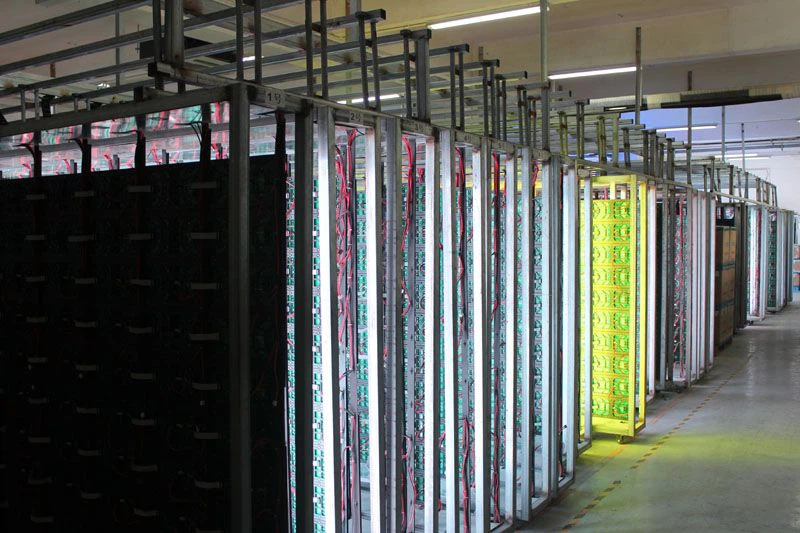
Starting as a specialized manufacturing operation, LUMIVIS has grown into one of the top premier suppliers in the China LED display sector. Located in the international technology hub of Shenzhen, our manufacturing facility is fully equipped with advanced automated production, aging, and thermal testing lines. We support 100% custom engineering—spanning bespoke pixel pitches, specialized cabinet configurations, control system integration, and tailored thermal management systems.
Every display panel produced undergoes an exhaustive, multi-stage quality protocol from raw component wafer arrival through final shipment inspection:
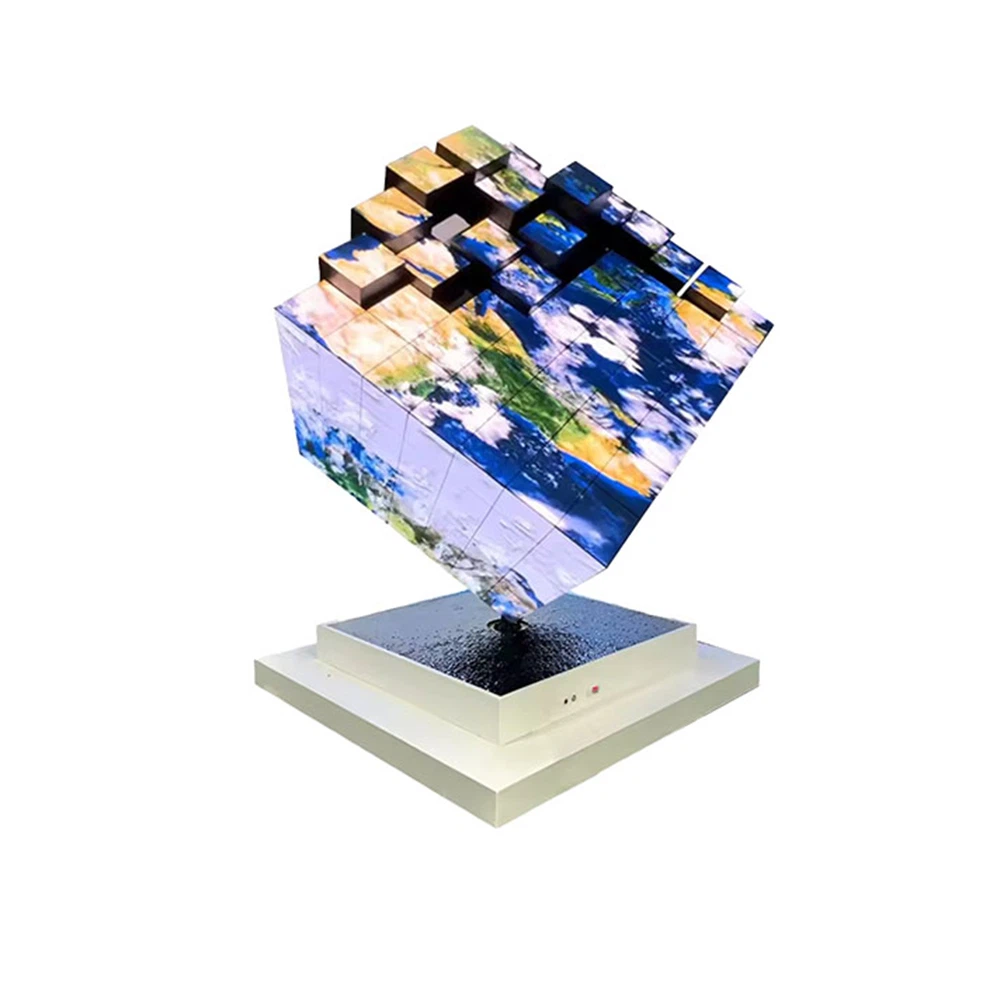
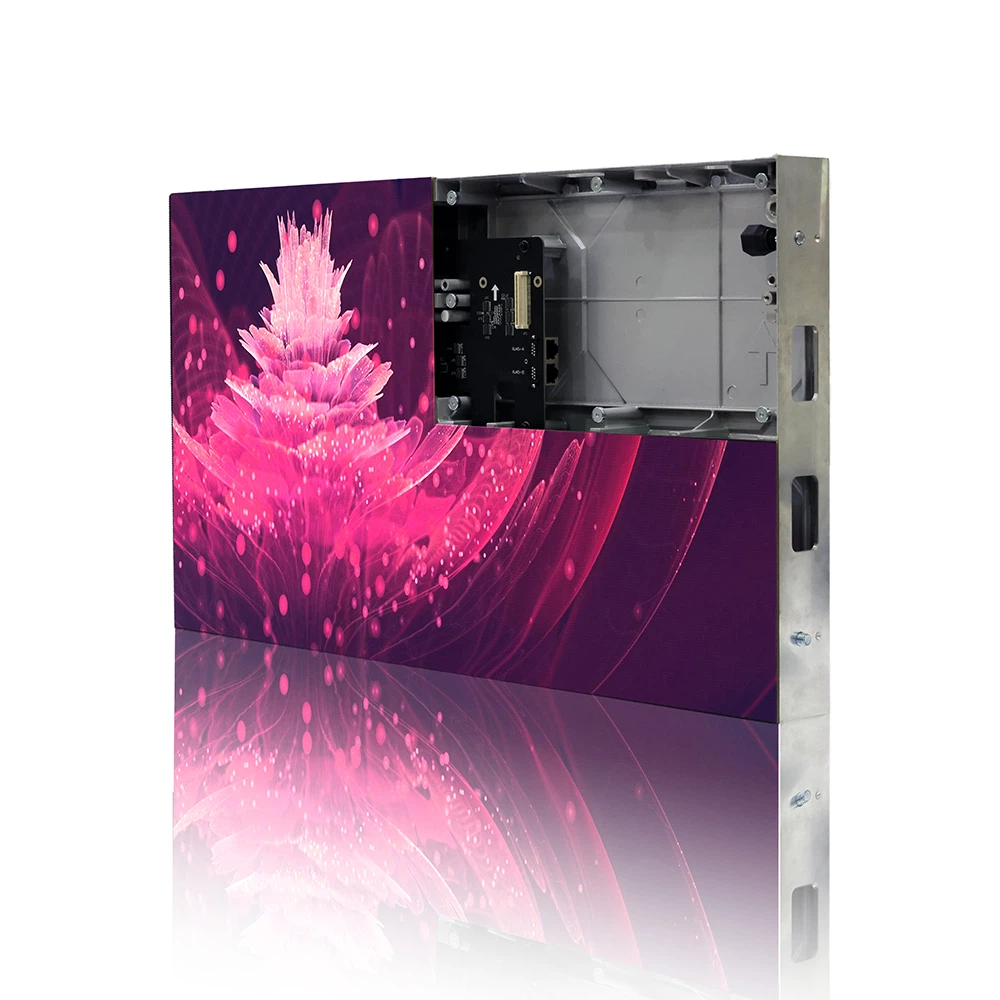
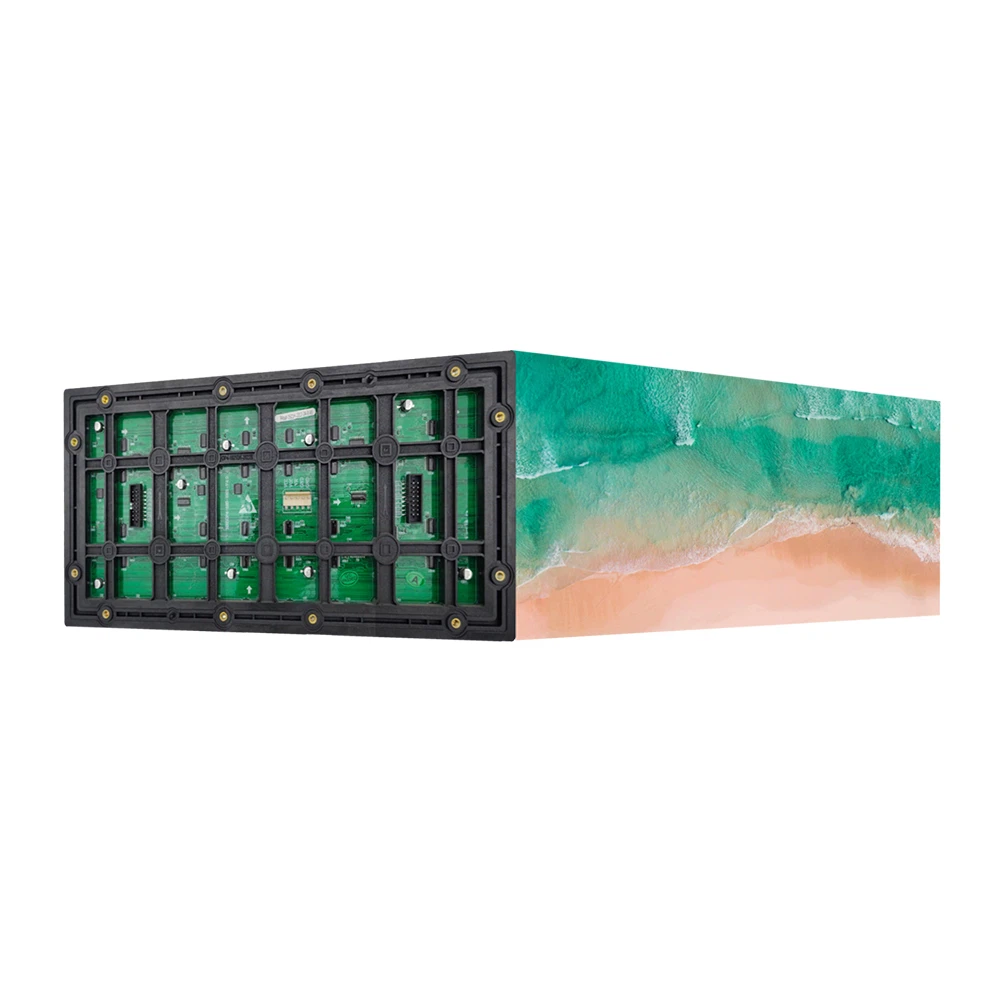
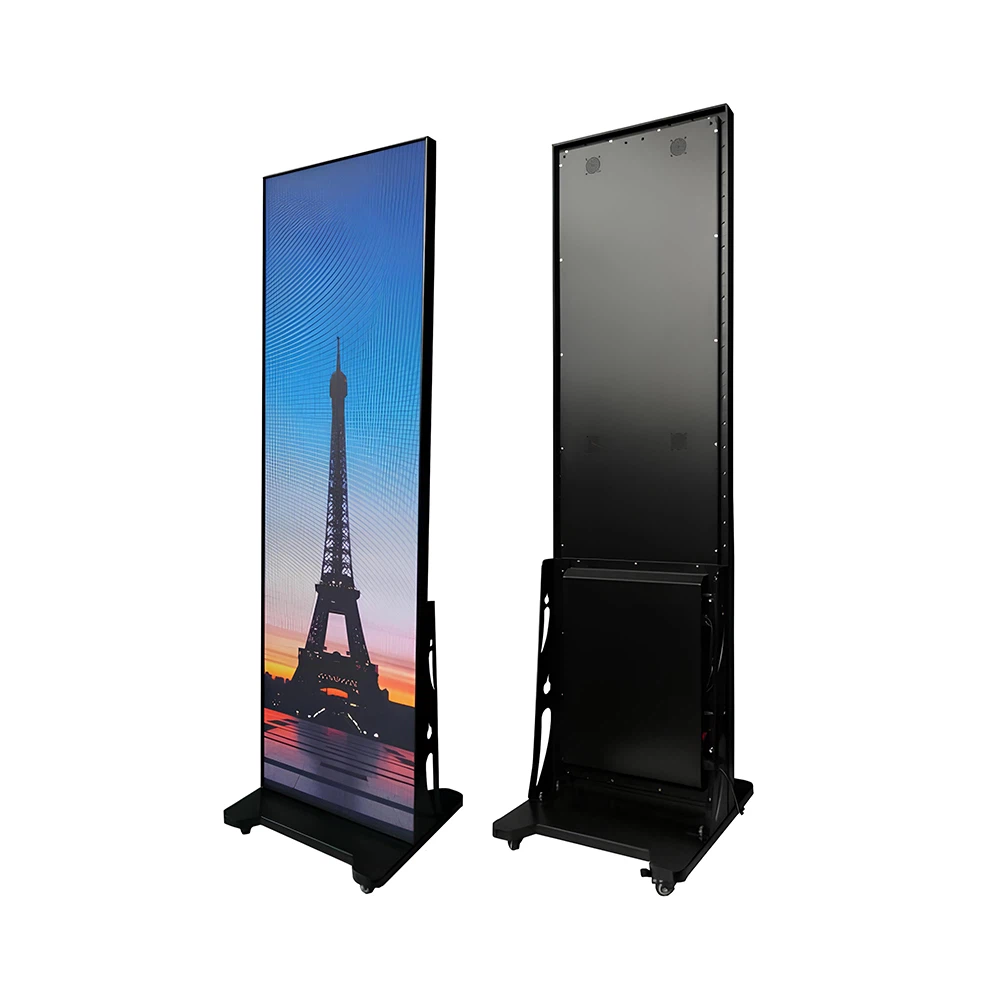
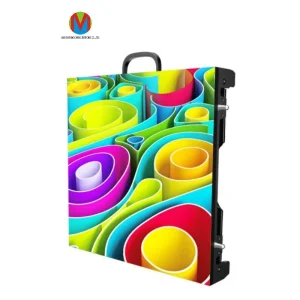
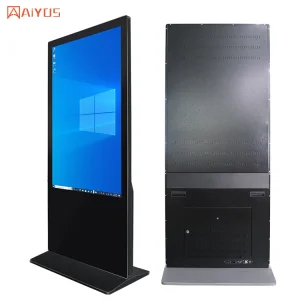
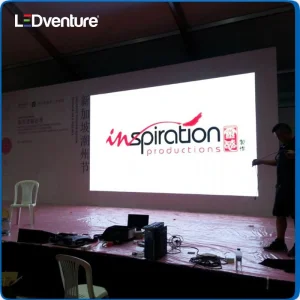
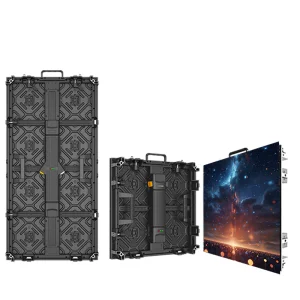
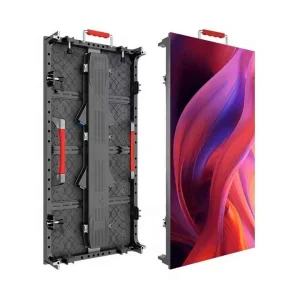
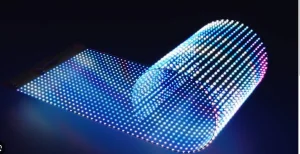
We engineer and manufacture a broad spectrum of optimized display configurations, including:
As display resolutions continue scaling toward Micro-LED pitches below P0.4mm and outdoor brightness demands climb higher, conventional thermal management reaches its physical limits. The industry is currently pivoting toward three breakthrough engineering paradigms:
Pure graphene films exhibit thermal conductivity up to 5,000 W/mK—more than 10 times higher than solid copper. Integrating atomic graphene sheets directly onto module backplanes allows rapid lateral heat dispersion, eliminating hot-spots directly behind concentrated driver IC clusters.
For extreme environment setups (such as desert DOOH or high-density indoor production volumes), closed-loop liquid cold plates integrated directly into cabinet frames are replacing traditional air-driven fins. Liquid cooling offers 24x higher heat absorption capacity, operating completely silently while maintaining tight temperature stability.
Modern smart receiving cards incorporate embedded IoT temperature sensor arrays across every module grid. AI monitoring software dynamically regulates power draw, refresh rates, and localized pixel intensity in real-time, preventing localized thermal stress before hardware damage occurs.
Explore our complete catalog of specialized display solutions engineered for high heat dissipation, maximum visual performance, and absolute long-term operational reliability.
 Xiguang Display