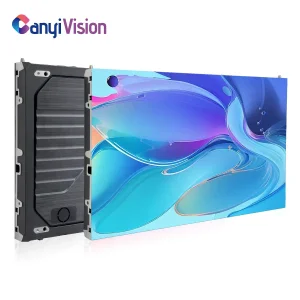
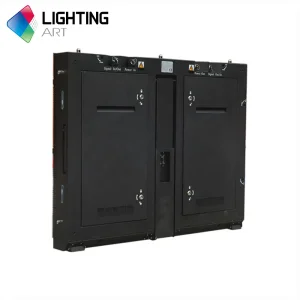
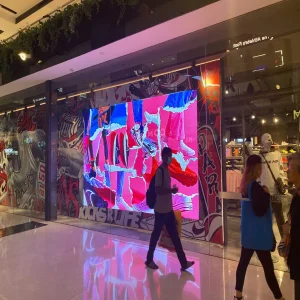
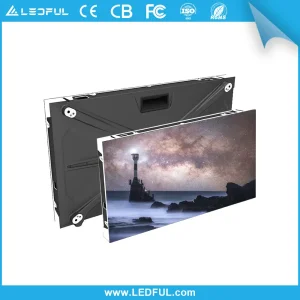
Explore our cutting-edge visual technology, engineered for high refresh rates, exceptional brightness, and long-lasting durability.
Maximizing impressions and geographical reach with advanced triangular digital display architecture.
In the rapidly evolving landscape of Digital Out-of-Home (DOOH) advertising, the transition from static 2D prints to dynamic 360-degree digital media has redefined visual communication. Triple-sided LED billboards represent the absolute pinnacle of high-visibility urban engineering. Constructed as triangular structures, these multi-sided media towers capture traffic flow from three distinct vectors simultaneously.
Standard digital billboards are constrained by viewing angle limitations (typically 120° to 140° horizontal). At high-volume traffic junctions, highway intersections, and major roundabouts, a single-sided display misses up to 70% of potential impressions. A triple-sided LED configuration solves this spatial visual limitation by arranging three discrete LED screens at 60° relative angles. This delivers seamless 360-degree coverage, converting every passing commuter into a targeted impression.
Deploying a triple-sided LED billboard requires specialized architectural, structural, and mechanical engineering. Global export of these systems relies on rigid quality control protocols to withstand severe environmental stresses. Suppliers must calculate structural wind load limits (often exceeding 150 mph/240 km/h in coastal zones), incorporate localized grid voltage adapters, implement intelligent climate control and automated brightness dimming systems, and design customized maintenance platforms to allow secure access.
| Specification Profile | Standard Configuration | Industrial Grade Requirement |
|---|---|---|
| Pixel Pitch Range | P6, P8, P10 SMD | P3.125, P4, P5, P6 COB/SMD |
| Ingress Protection | IP65 Front / IP54 Rear | IP66 Front / IP66 Rear (Full Seal) |
| Peak Brightness | > 5,500 nits | > 8,000 nits (Auto-calibration) |
| Thermal Dissipation | Industrial Fan Exhaust | Intelligent Airflow & Heat Sinks |
Discover the manufacturing standards, rigorous quality control processes, and rich corporate history of LUMIVIS (Shenzhen Xiguang Display Electronic Technology Co., Ltd.)
Established in 2003 in Xiamen, China, and expanding its core production footprint to the international technology hub of Shenzhen (Shenzhen Xiguang Display Electronic Technology Co., Ltd.), LUMIVIS has been at the forefront of the optoelectronic and LED screen industry for over two decades.
What began as a specialized regional operation has evolved into a prominent, globally respected supplier and exporter of high-grade LED display configurations. From standard rental video walls to customized engineering structures like triple-sided billboards, LUMIVIS delivers end-to-end support.
Our dedicated team supports 100% bespoke customization. Clients can tailor everything from brightness thresholds, lamp bead selection, and custom pixel pitch values to advanced physical geometry. We build win-win partnerships, inviting global operators, OOH networks, and engineering firms to explore customized cooperative opportunities.
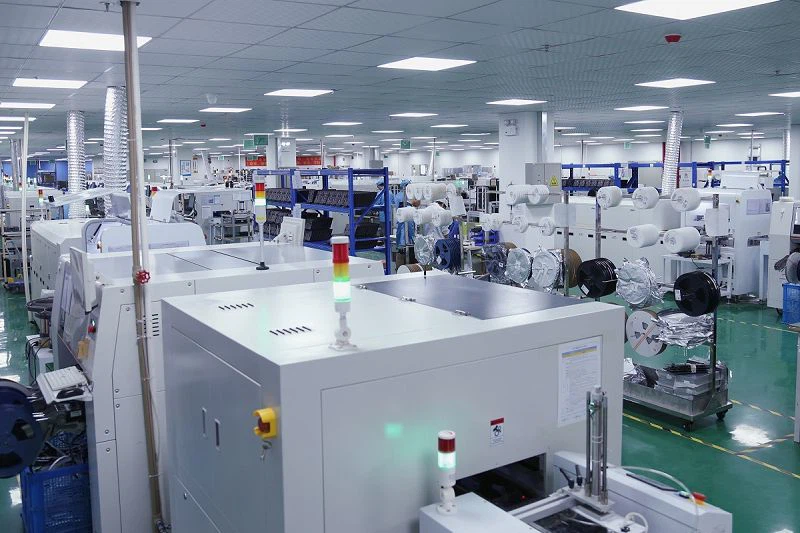
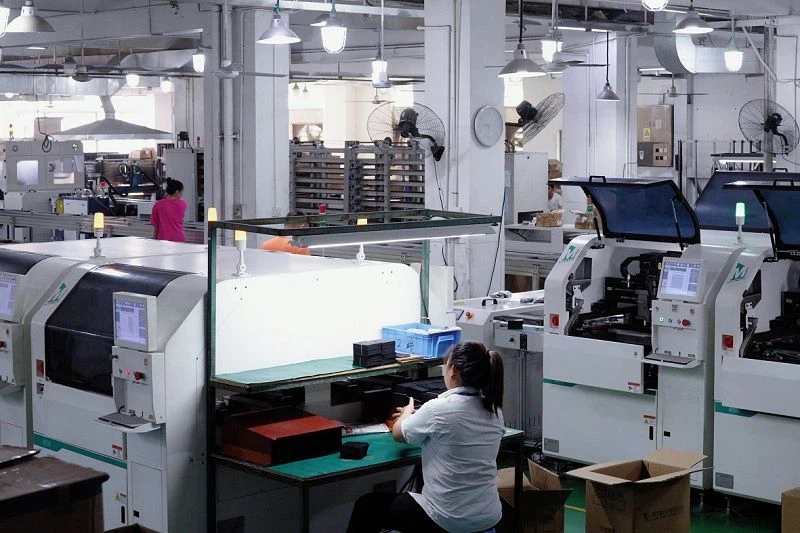
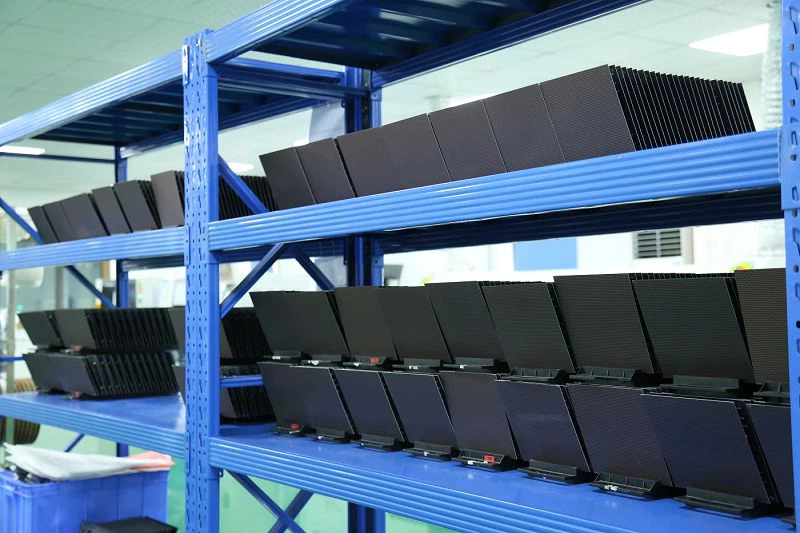
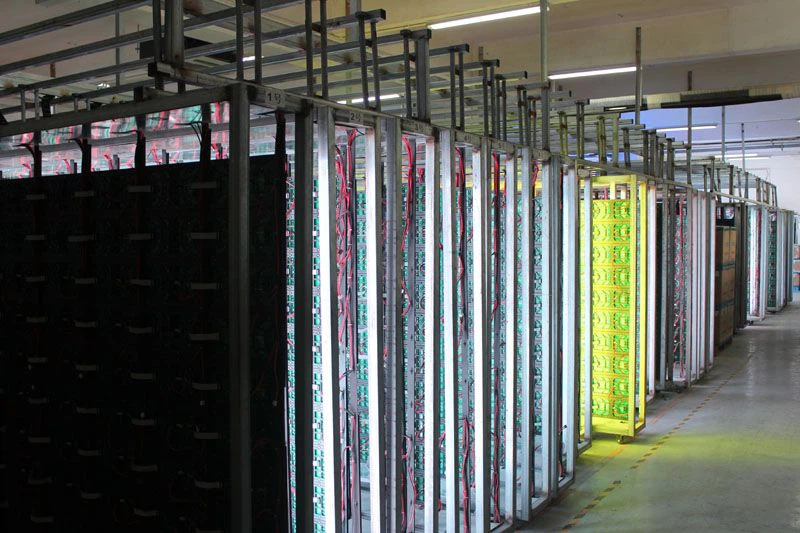
Our production workflow is defined by rigorous quality checkpoints, ensuring each screen maintains reliable operation under harsh weather conditions:
How we ensure seamless regulatory compliance, high-altitude safety certifications, and smooth logistics across multiple continents.
When exporting heavy steel-structure systems like triple-sided LED billboards, compliance with regional standards is mandatory for structural approval and electrical grid connection. Our engineering team provides full documentation including:
To assist our local partners and distributors, LUMIVIS provides detailed structural blueprints, electrical wiring schematics, and load-bearing calculations. We offer localized support networks through global field service partners who manage structural erection, safe electrical hookup, and initial optical calibration on site.
A full range of specialized high-resolution LED screens, tailored to any environment or architectural layout.
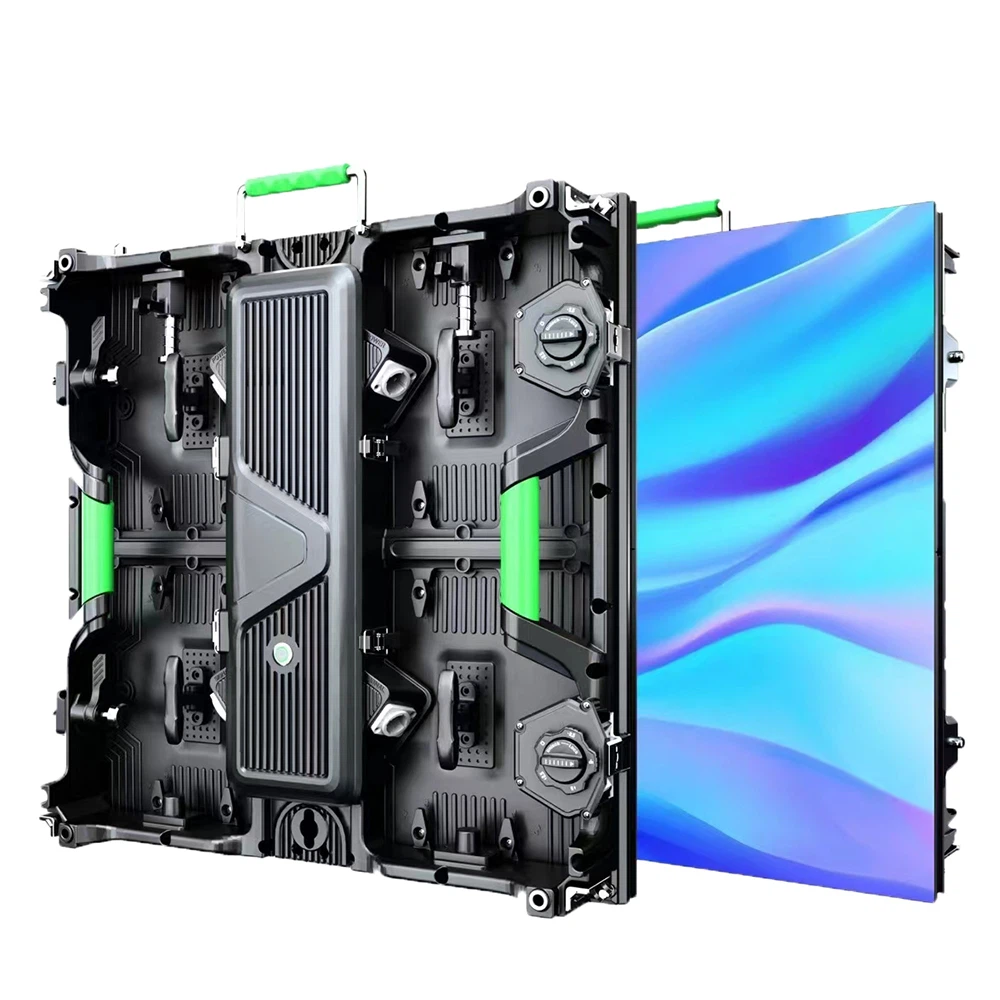
Rental Display
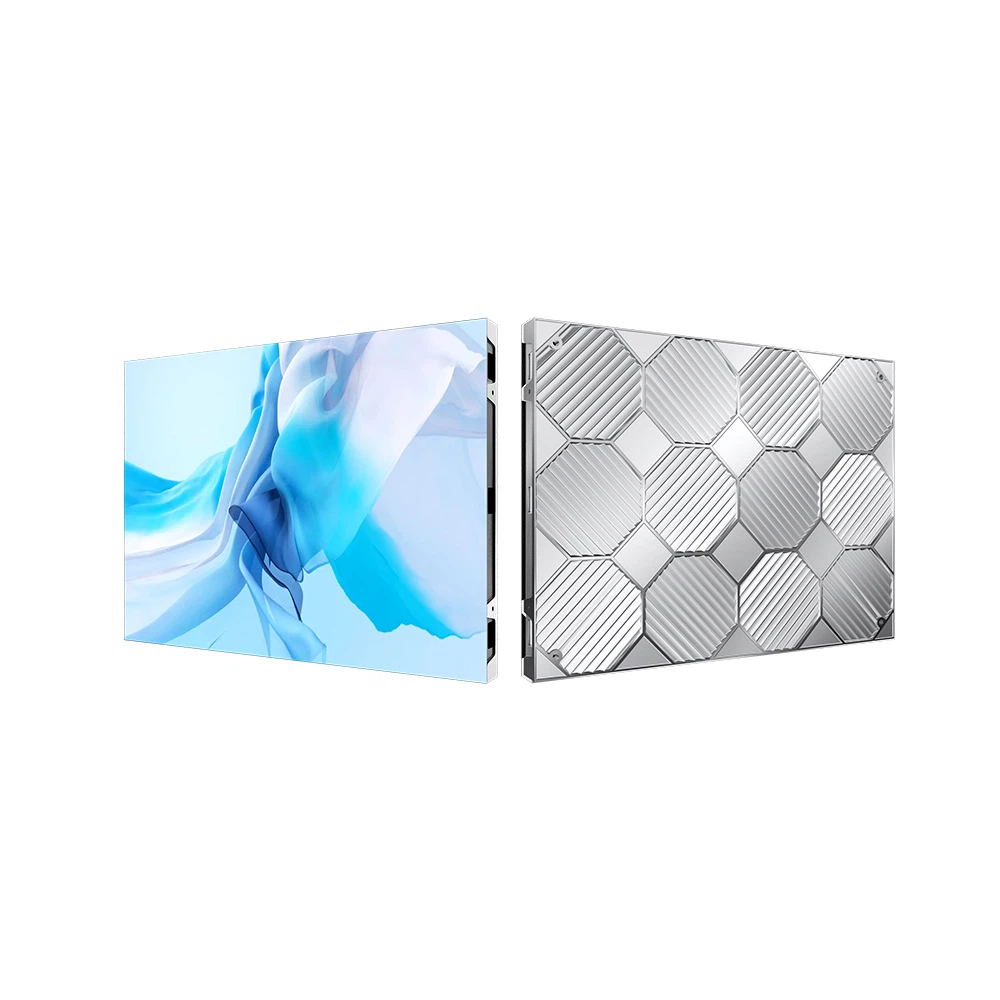
Indoor LED Display
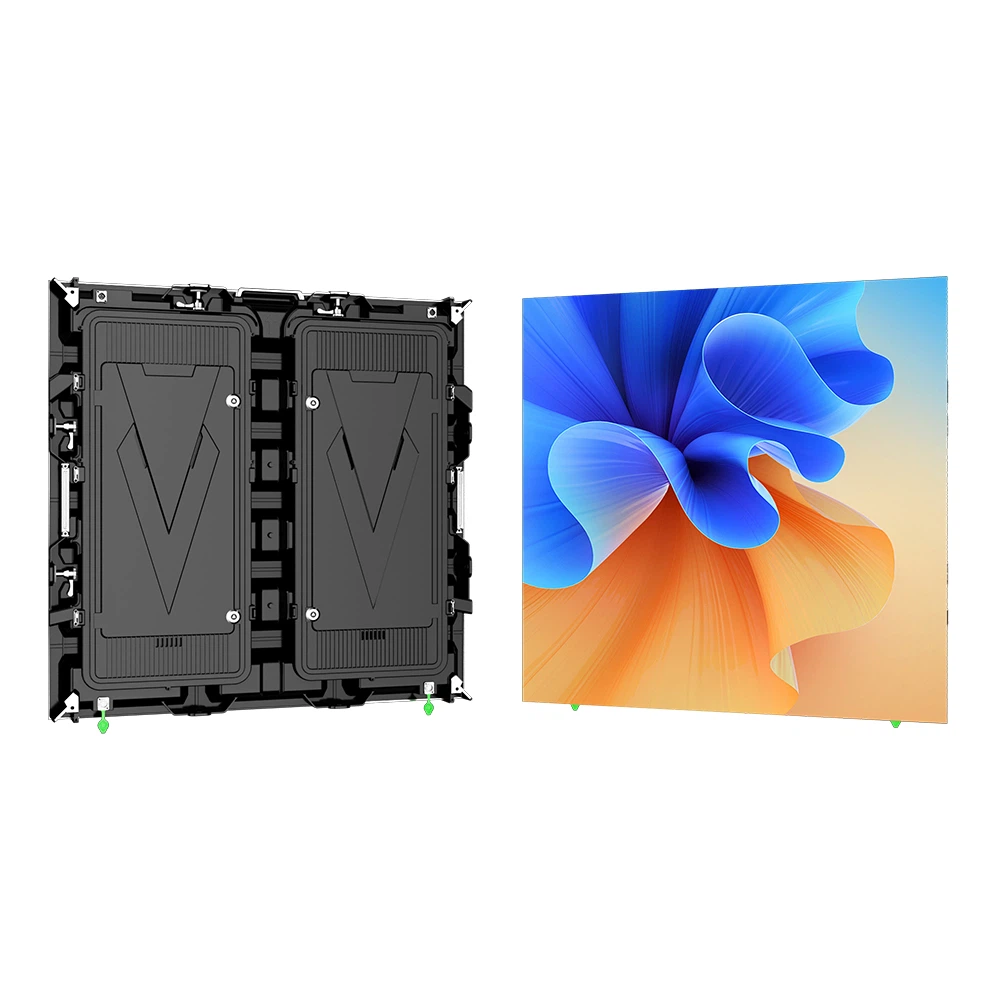
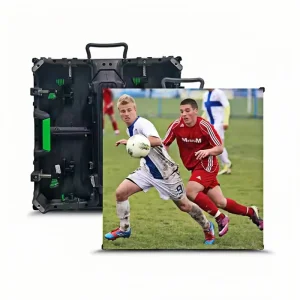
Stadium LED Display
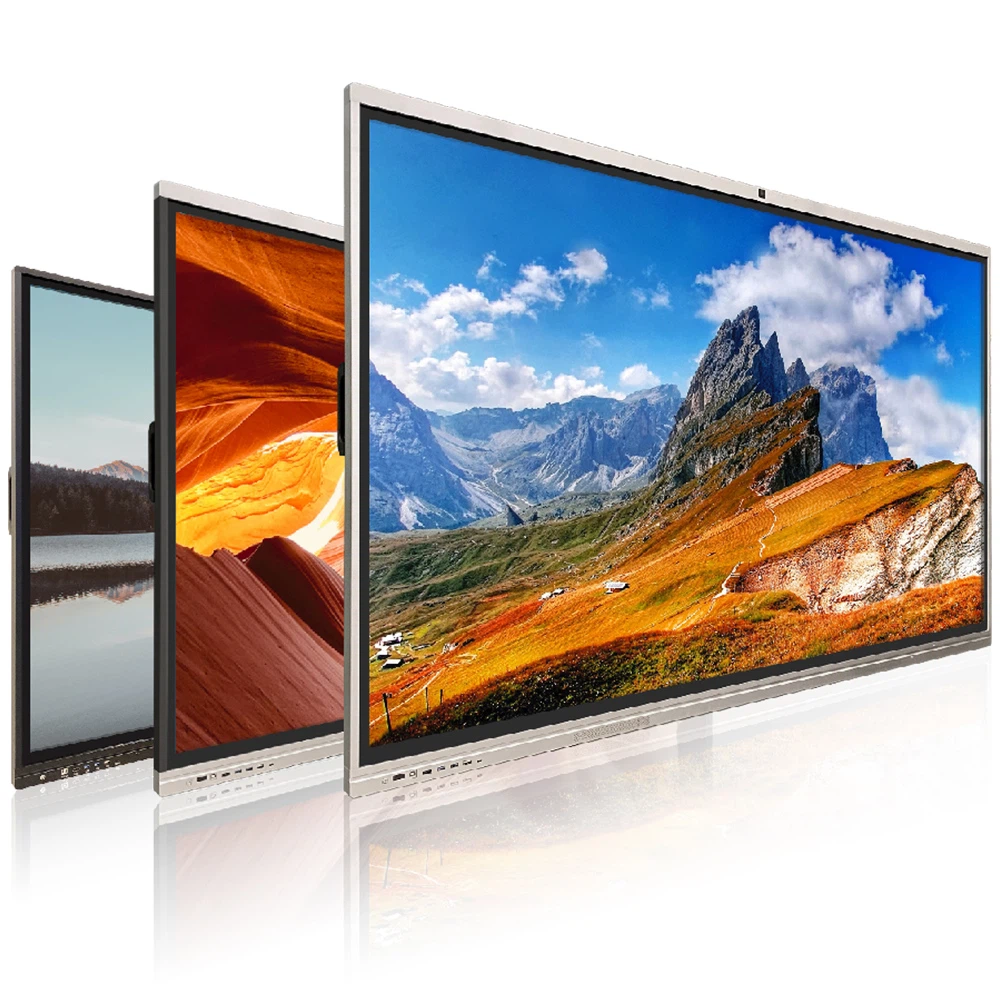
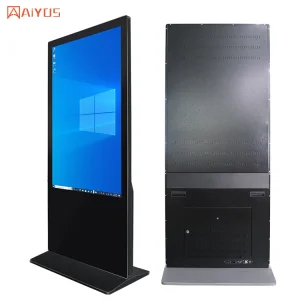
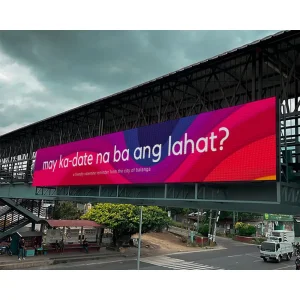
Advertising Display
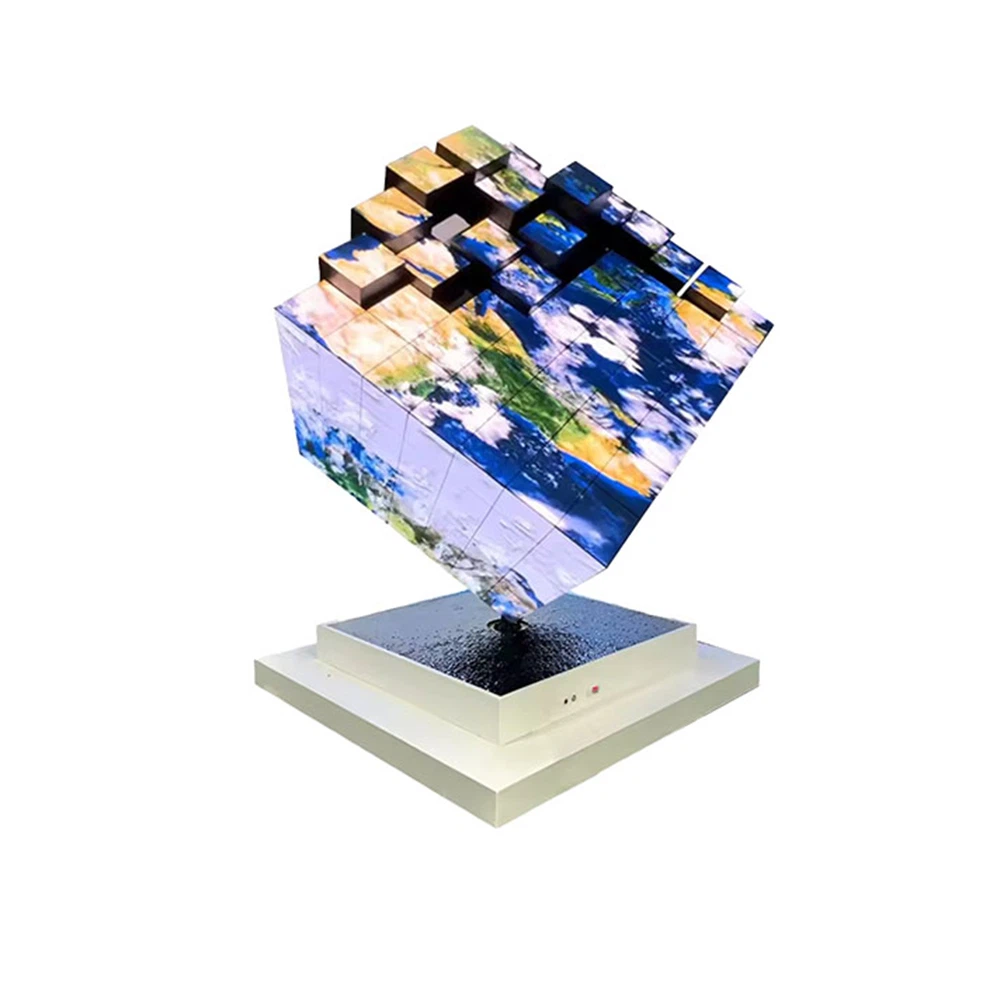
Customized Display
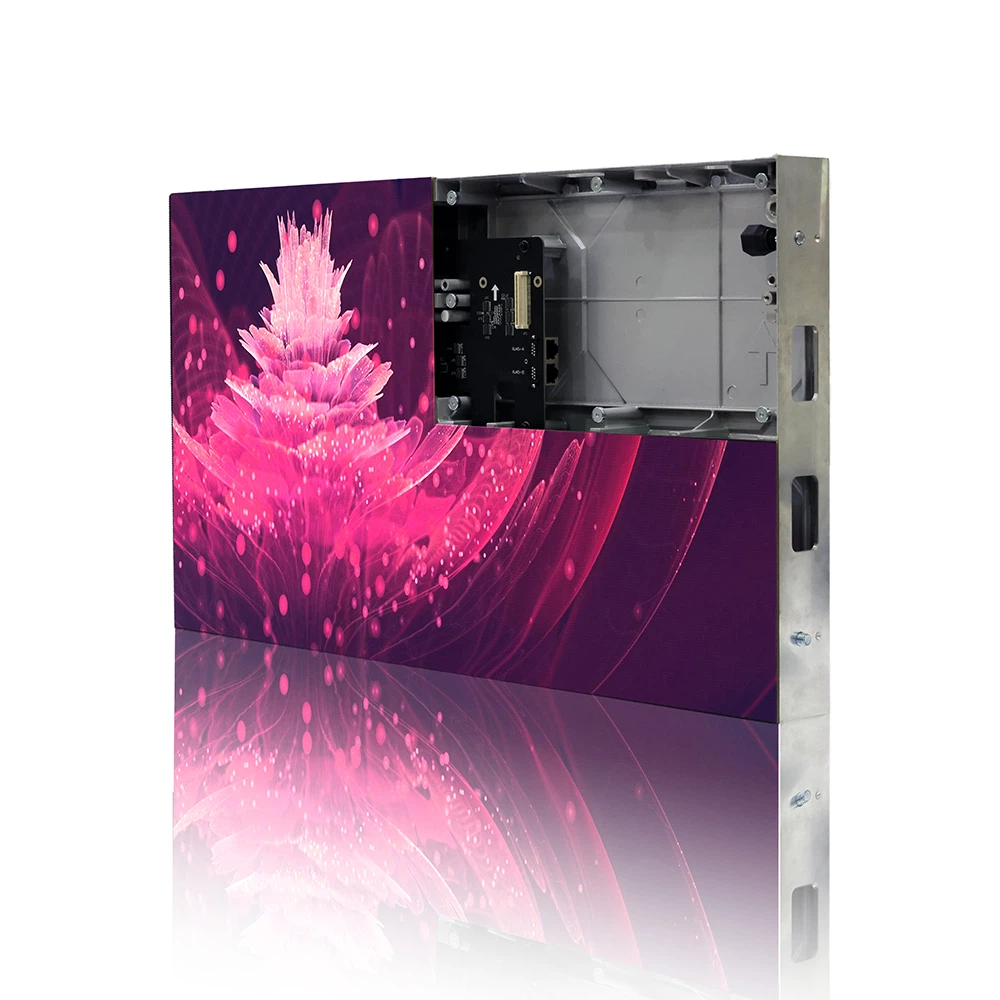
COB Display
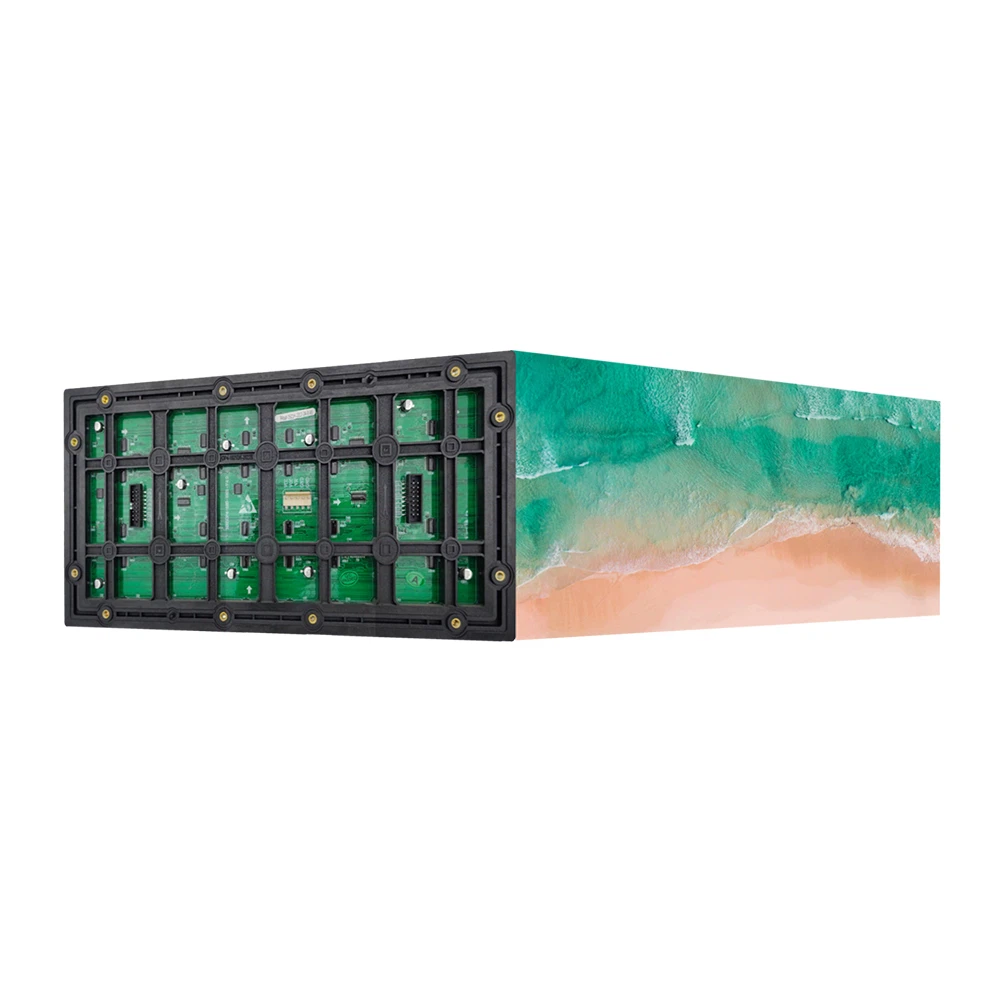
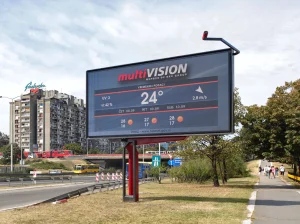
Outdoor LED Display
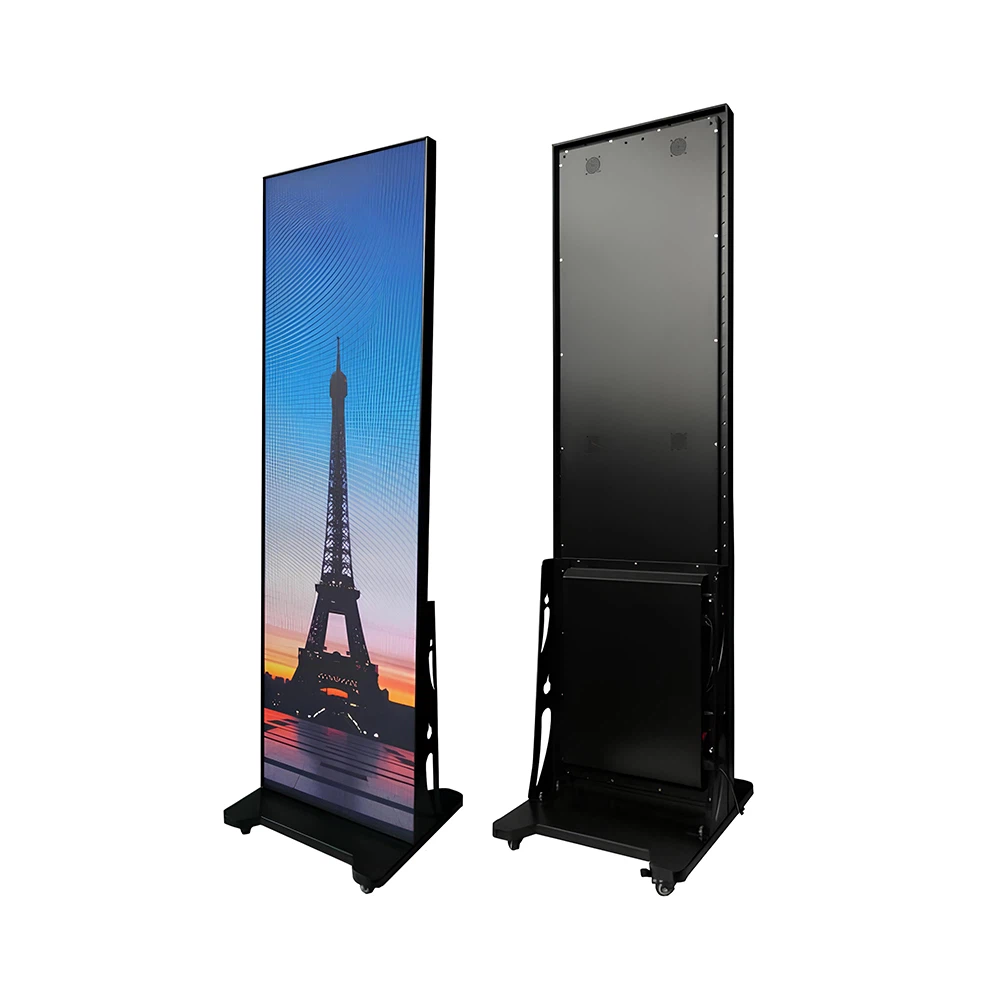
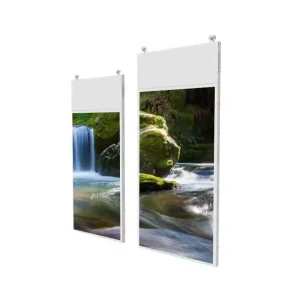
Poster LED Display
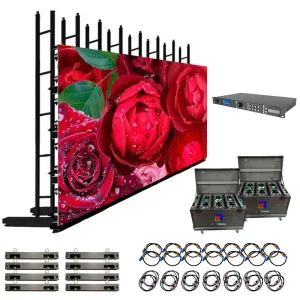
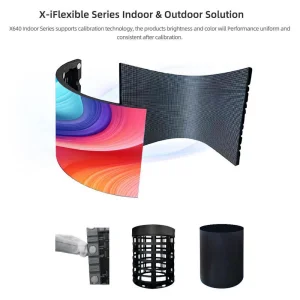
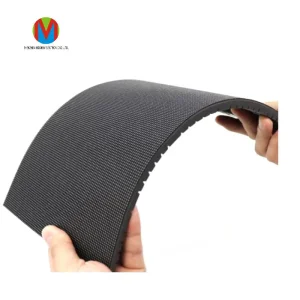
Additionally, our full product catalog includes specialized Flexible LED Displays, Transparent LED screens, LED Mesh systems, and interactive Floor LED Display Projects. Every system integrates seamlessly with our proprietary software, allowing operators to run unified or individual content sequences across multiple configurations.
Navigating next-generation display breakthroughs to maximize performance, lifespan, and sustainability.
The future of large-scale LED billboards is defined by three technology trends: high-density integration, automated diagnostics, and energy efficiency. Our engineering roadmap integrates these advances directly into our product designs.
While traditional Surface Mounted Device (SMD) packaging is still widely used in high-brightness outdoor displays, Chip on Board (COB) is rapidly becoming the standard for premium, high-resolution and near-view applications. COB encapsulates LEDs directly onto the substrate. This design significantly improves heat dissipation, increases physical impact resistance, and achieves high contrast levels with lower fail rates.
Future triple-sided configurations will feature edge-computing diagnostics. Built-in monitoring chips track internal temperature, power supply health, pixel errors, and module humidity in real time. Standard alerts warn operators before a module fails, reducing site maintenance costs.
Environmental regulations and rising energy costs demand energy-efficient outdoor electronics. Common Cathode technology separates red, green, and blue LED power pathways. Since red LEDs require less voltage than green and blue, separate paths prevent energy loss from voltage drops, reducing heat output and saving up to 30-40% on power costs.
Expert answers addressing the primary design, procurement, and deployment challenges for large-scale outdoor billboards.
Premium outdoor, indoor, and custom flexible LED components engineered to meet global standards.
 Xiguang Display